New
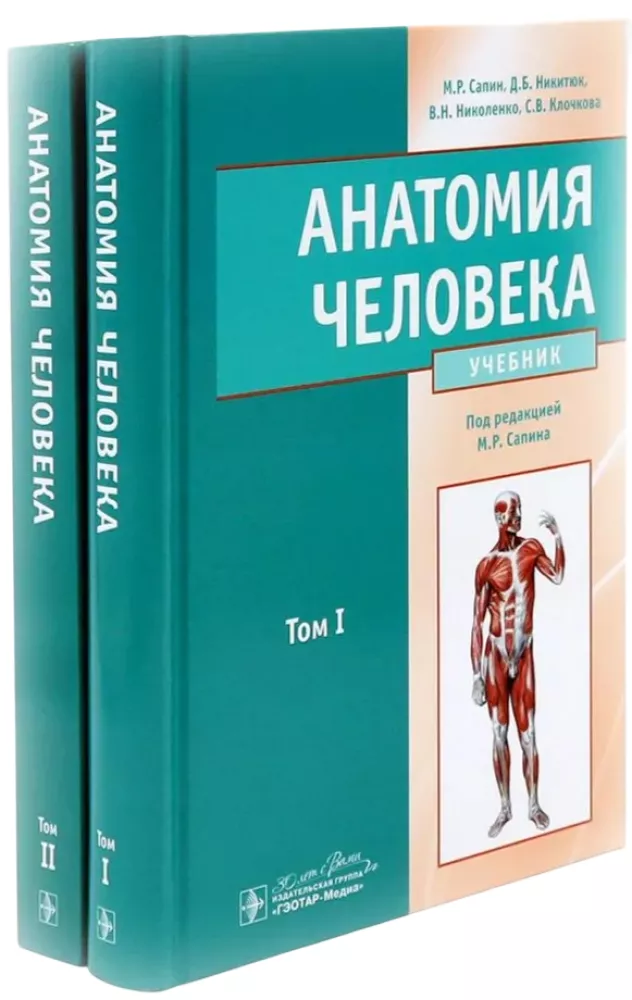
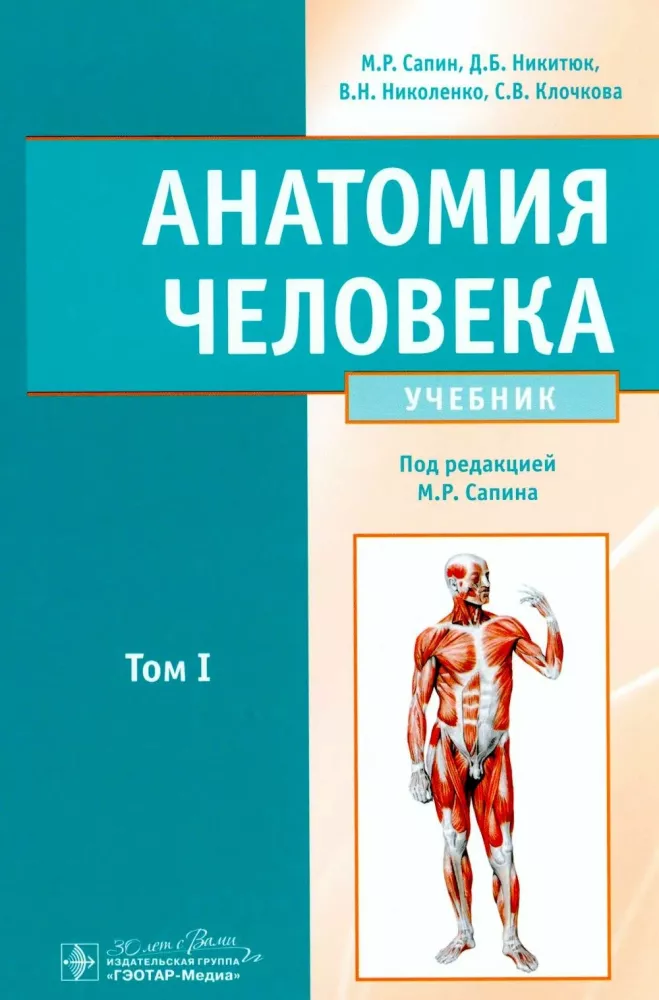
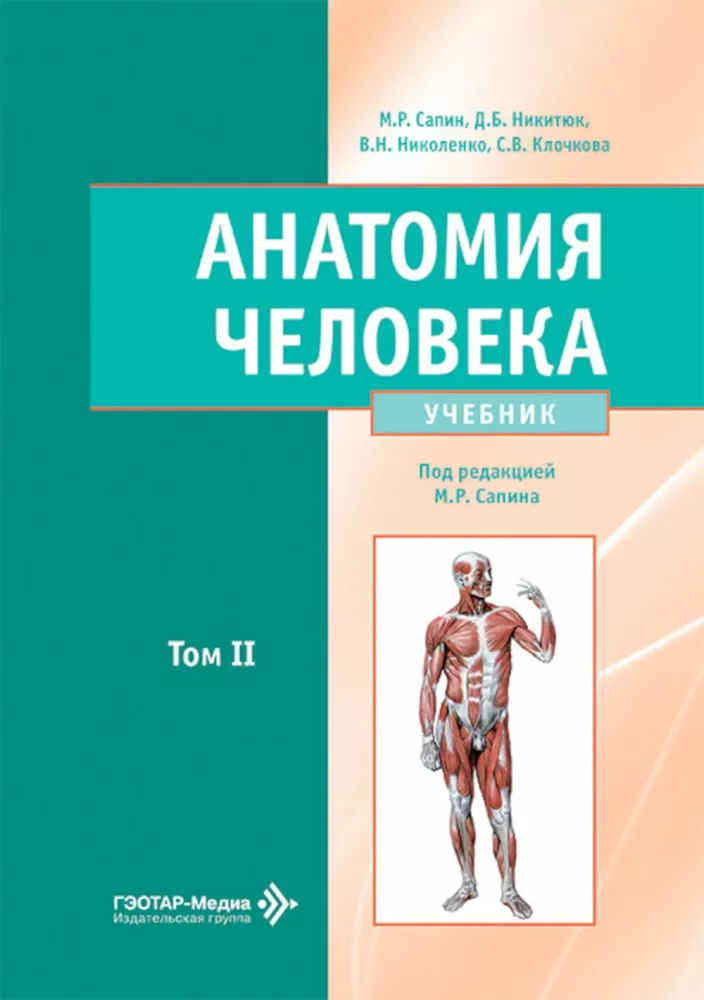
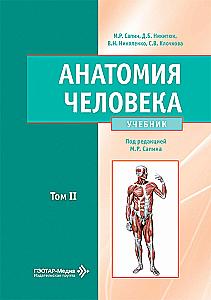
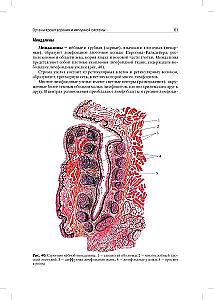
Human Anatomy: Textbook. In 2 volumes
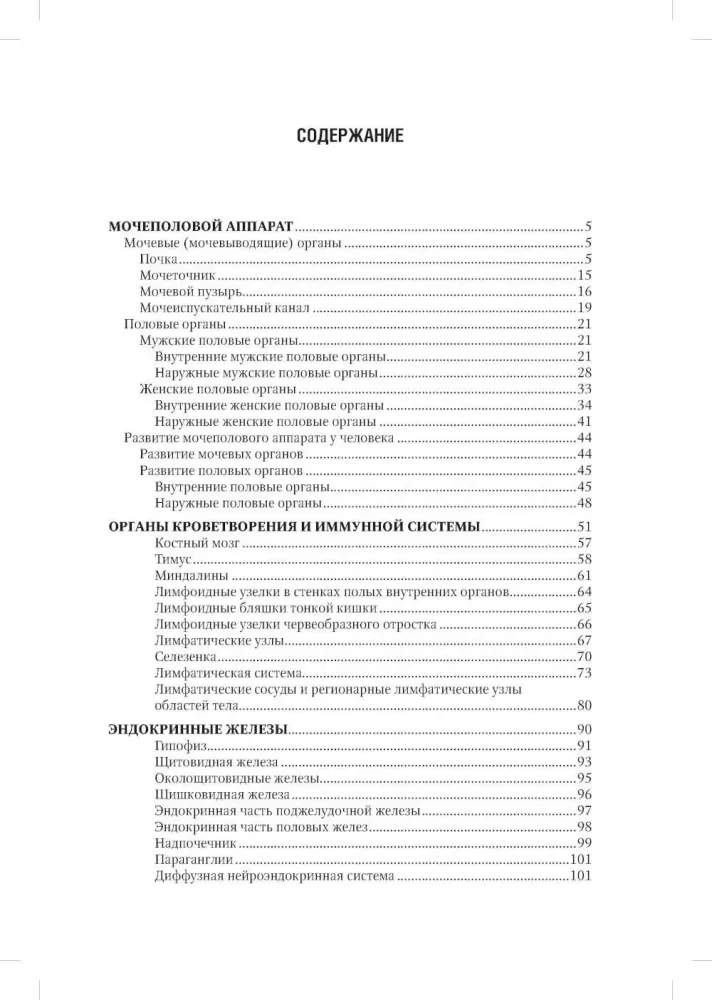
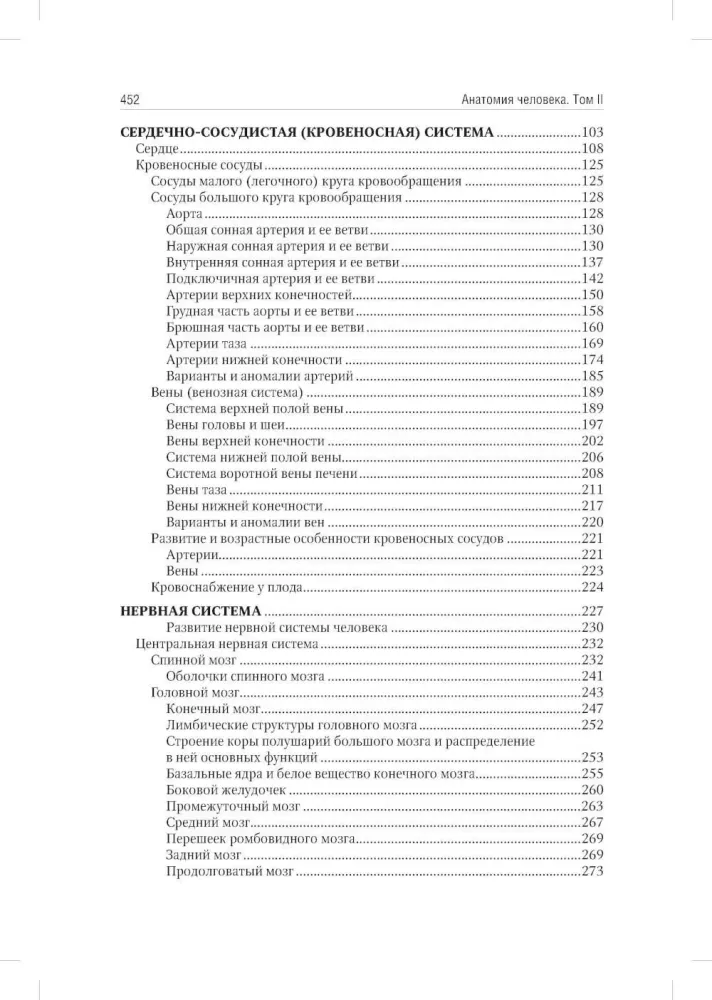
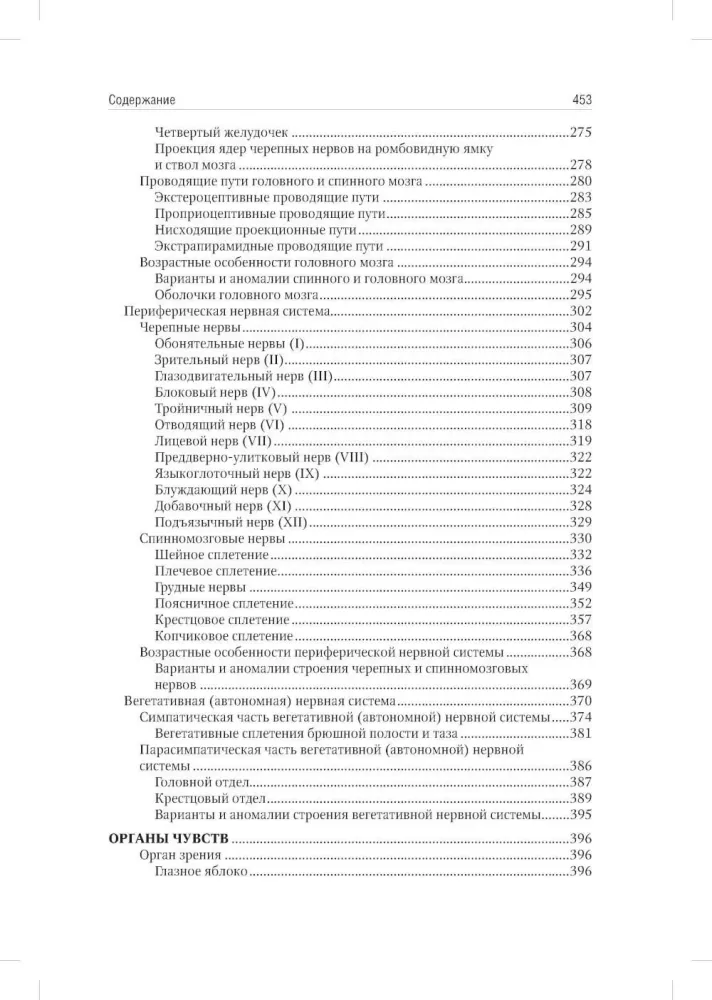
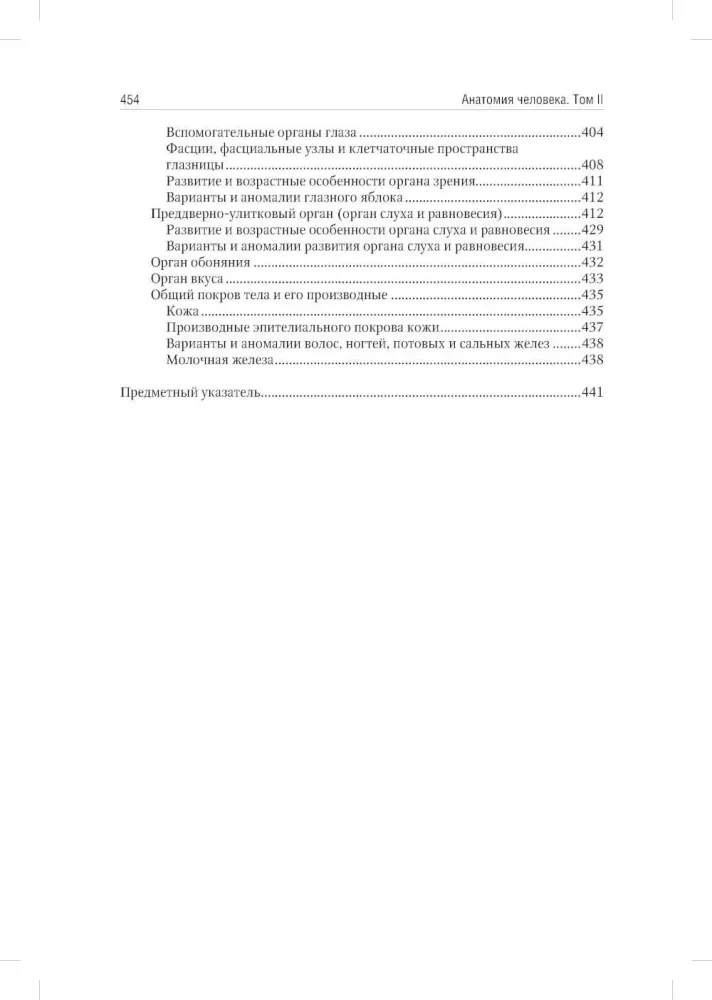
The textbook consists of two volumes, each of which systematically and in sufficient detail examines the structure and topography of the organs, systems, and apparatus of the human body. The first volume provides detailed information about the structure of cells...
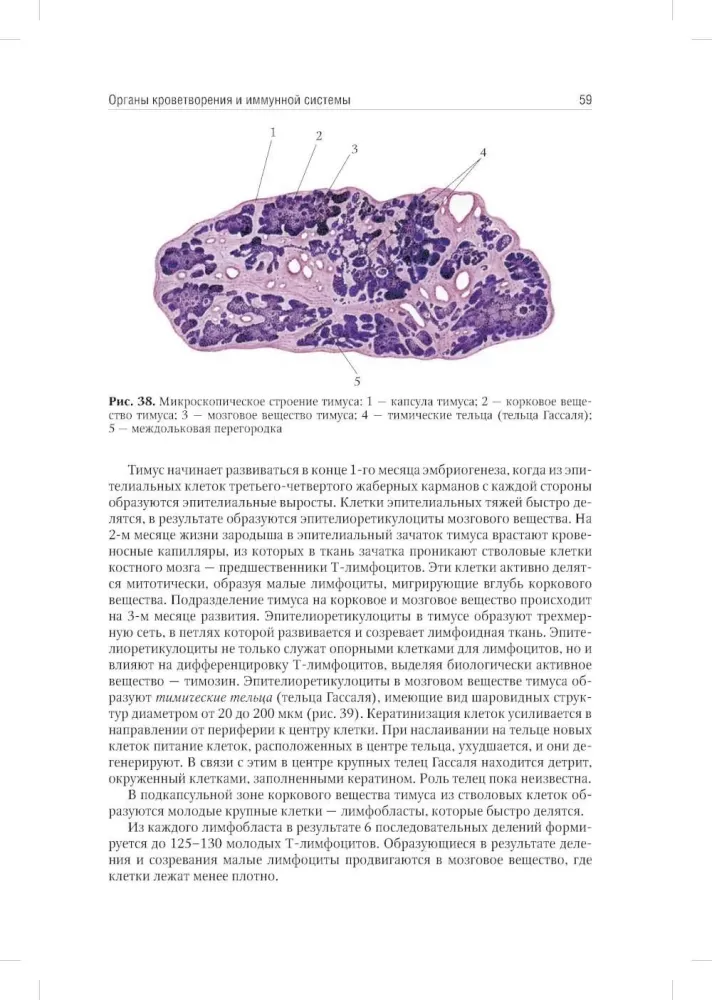
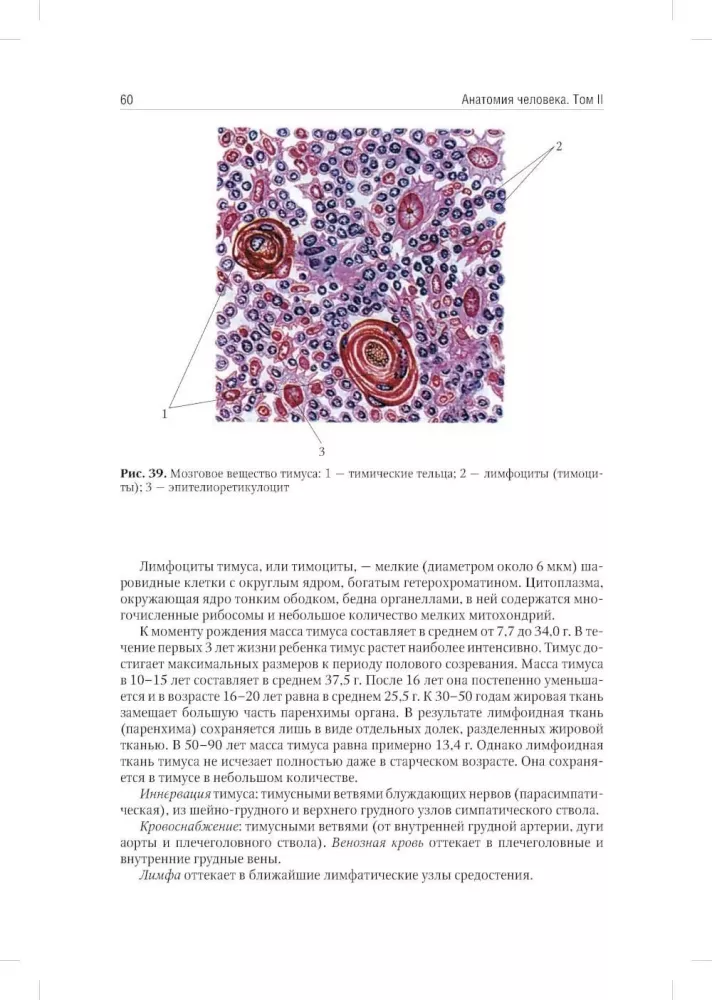
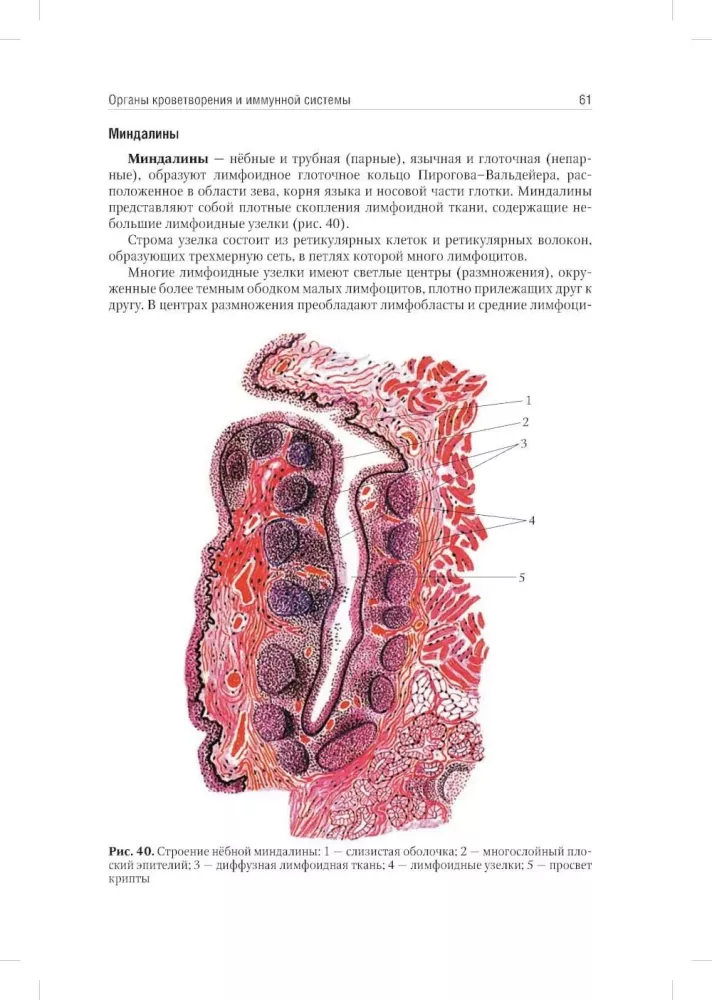
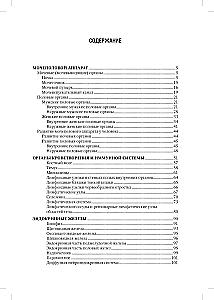
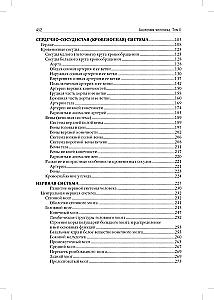
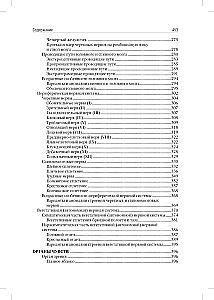
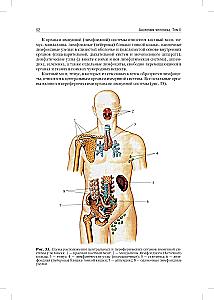
and tissues, cell division, describes connective, muscular, and other tissues, the organs of the musculoskeletal system (bones, joints, muscles, and fascia), their functional and topographic features. The functional anatomy of the digestive and respiratory systems is presented with a detailed description of their structure, topography, and functions. The writing of anatomical terms corresponds to international anatomical terminology. The second volume presents in detail the anatomy of the urogenital system (urinary and reproductive organs of both males and females), the organs of the immune system that perform protective functions in the human body, the glands of internal secretion (endocrine glands) with their hormone-producing function, the anatomy of the heart and blood vessels, the nervous system (spinal cord, brain, and nerves), and the organs of sensation (sight, hearing, smell, taste, and skin sensitivity). When describing the anatomy of organs and the systems and apparatus they form, not only their structure, down to the microscopic level, but also their topography and functions are presented. Brief data on the development of organs, their age-related features, variations in structure, and anomalies are provided. The writing of anatomical terms corresponds to international anatomical terminology. At the end of each section, questions for review and self-control are placed, allowing for a better understanding and memorization of the read material. The illustrations in the textbook are in color, with detailed labels. Tables containing information about individual organs are also presented. The textbook is intended for students of medical universities and can also be actively used in biological, pedagogical, and physical education faculties of other universities. The product is carefully packaged in a cardboard box to protect against mechanical damage.
Printhouse: Ripol-klassik
Age restrictions: 16+
Year of publication: 2023
ISBN: 9785885381307
Number of pages: 992
Size: 250х170х20 mm
Cover type: hard
Weight: 1862 g
ID: 1748961
In stock
€ 109.69
Will be delivered to United States on 29 September (Tu):
By courier
from € 38.94
Bestsellers

€ 13.29
In stock
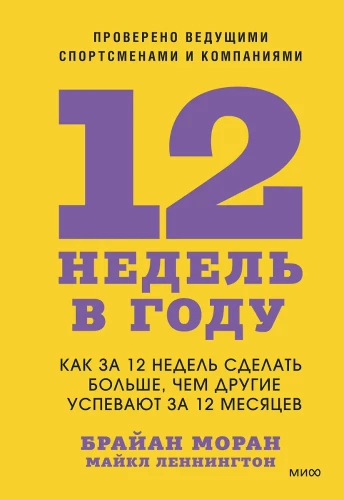
12 Weeks in a Year. How to Achieve More in 12 Weeks Than Others Do in 12 Months
Майкл Леннингтон, Брайан Моран

€ 7.89
In stock
Choice. On the Freedom and Inner Strength of a Person
Эдит Ева Эгер, Эсме Швалль-Вейганд

€ 14.99
In stock
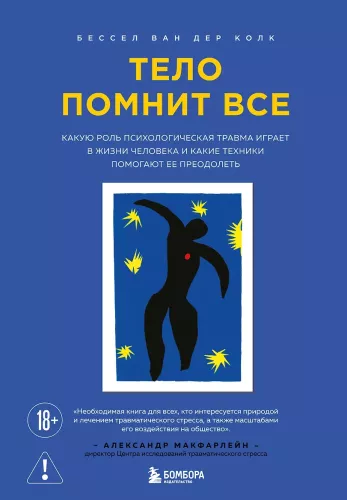
The Body Remembers Everything: The Role of Psychological Trauma in a Person's Life and Techniques to Overcome It
Бессел ван дер Колк

€ 6.99
In stock

€ 5.29
In stock