
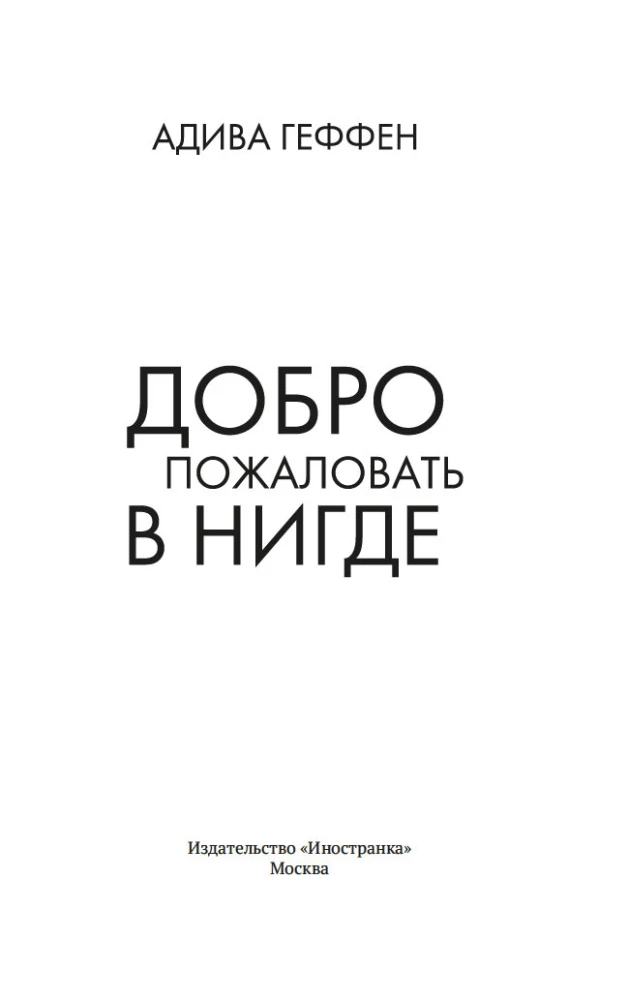


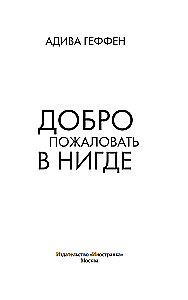
Welcome to Nowhere
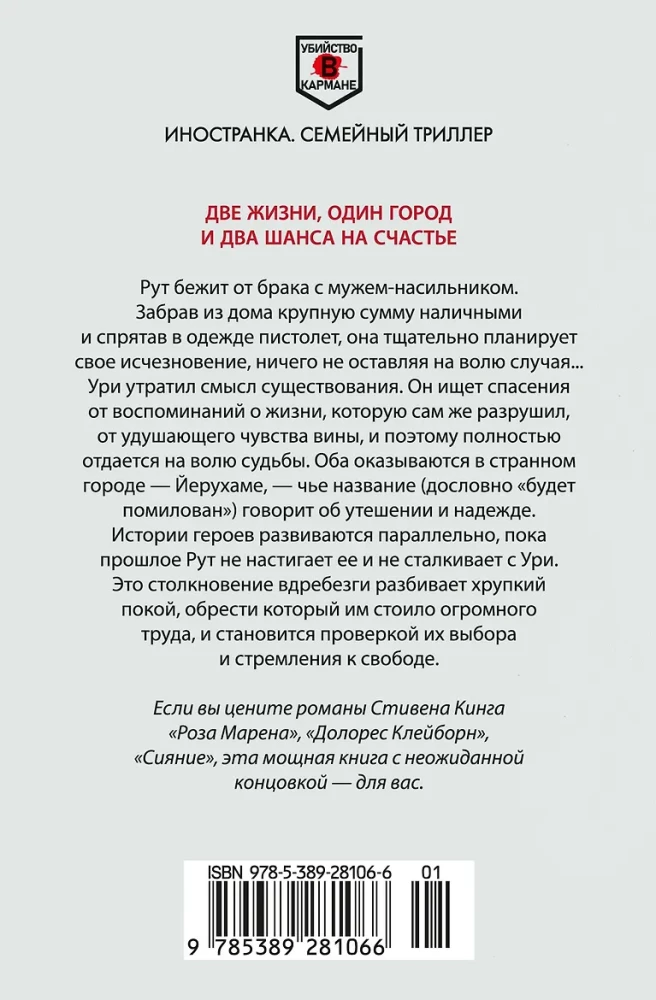
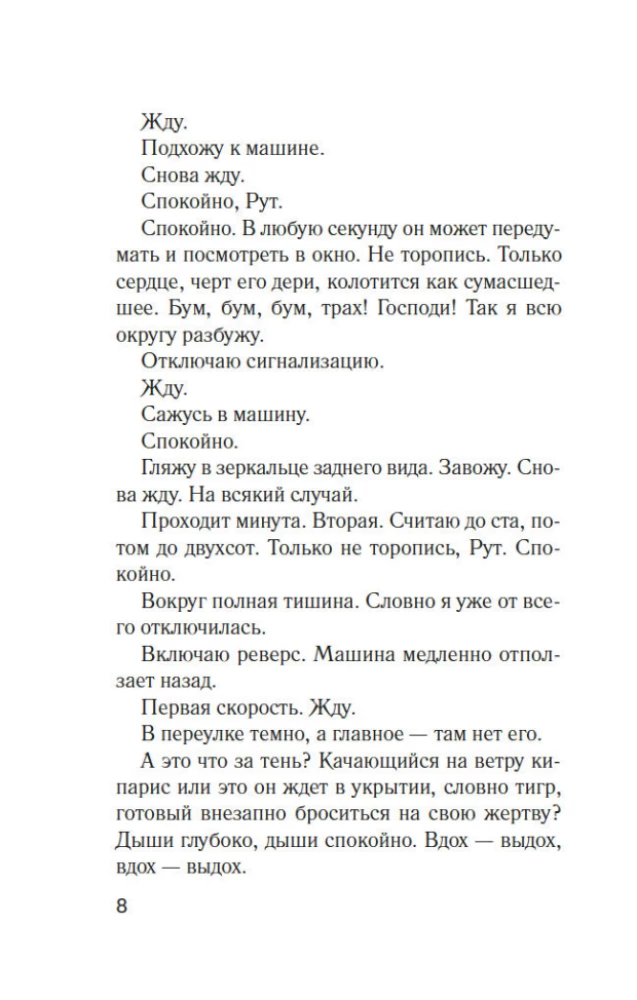
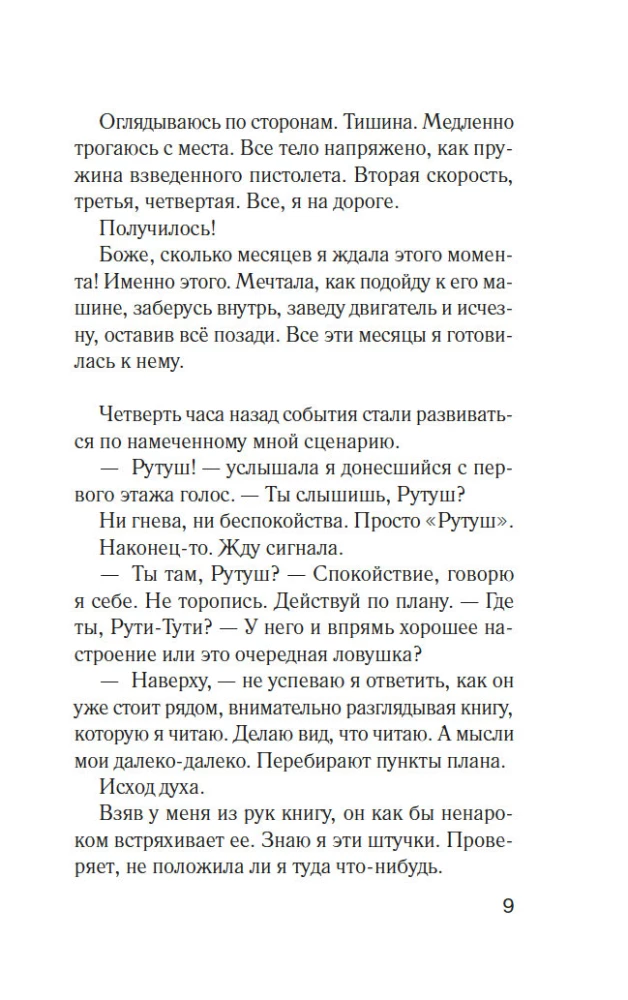
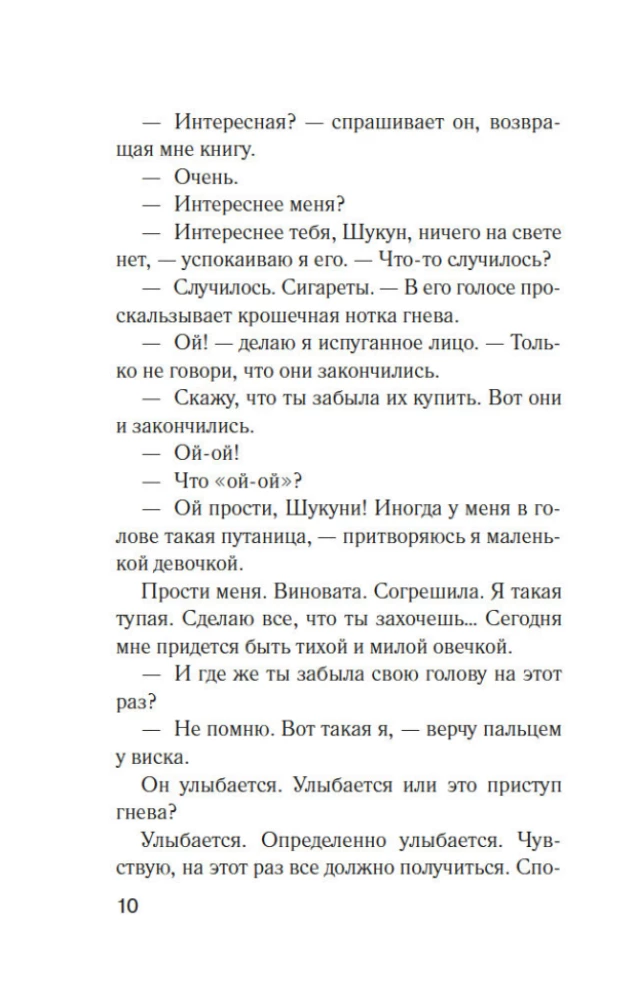
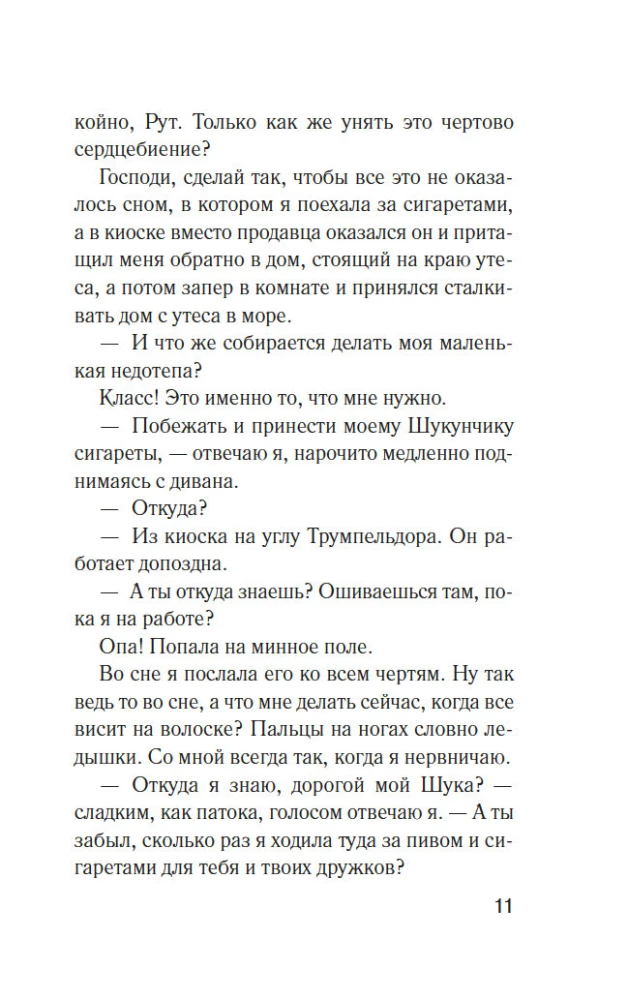
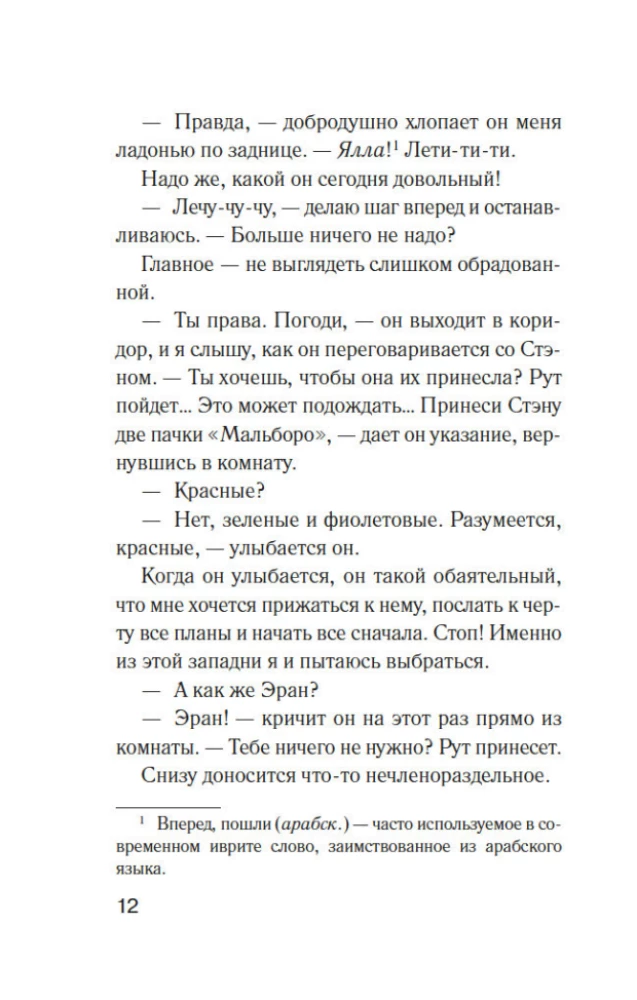
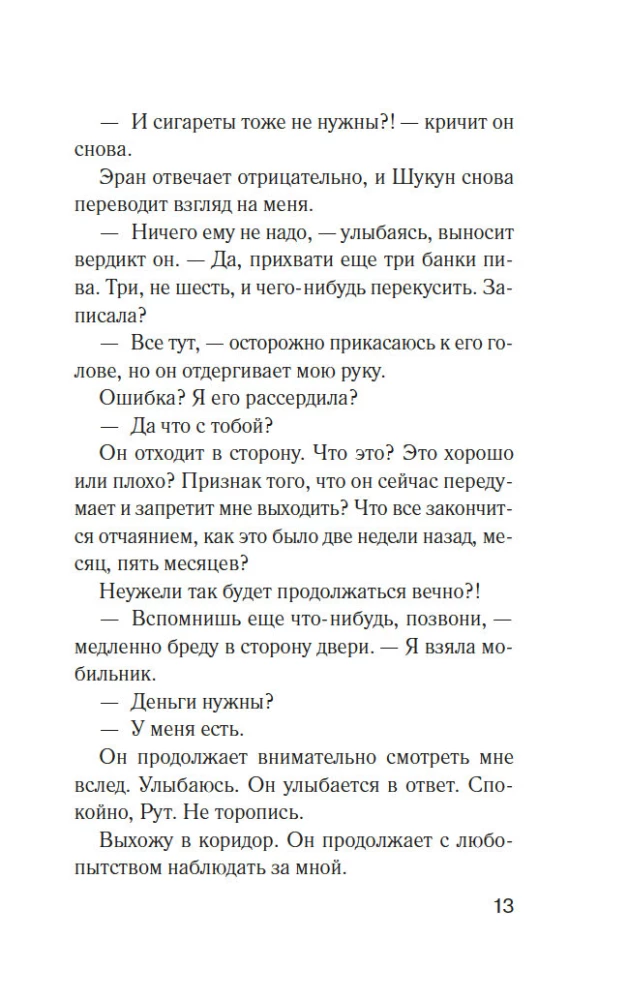
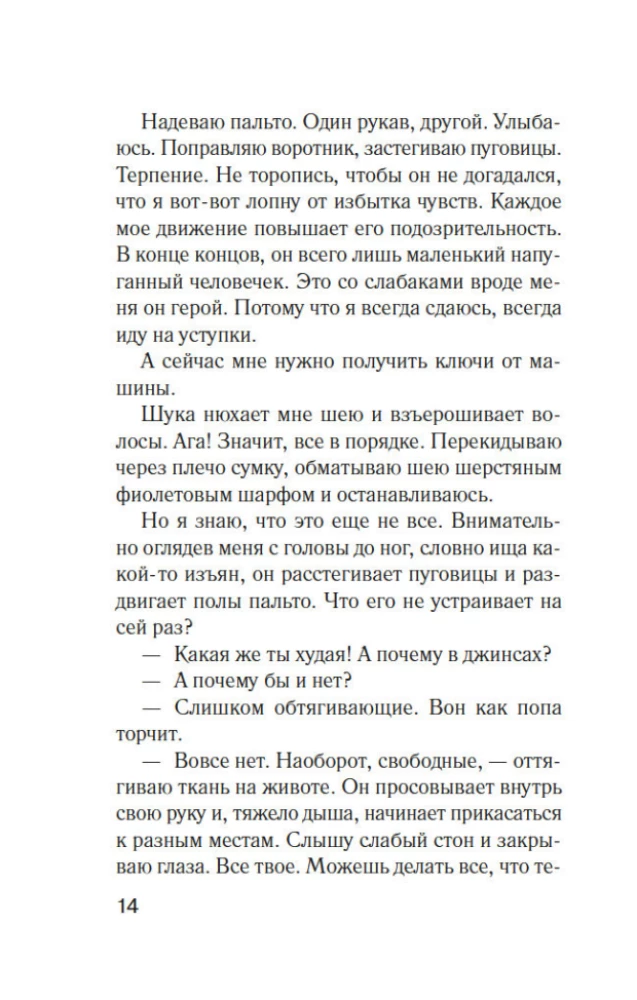
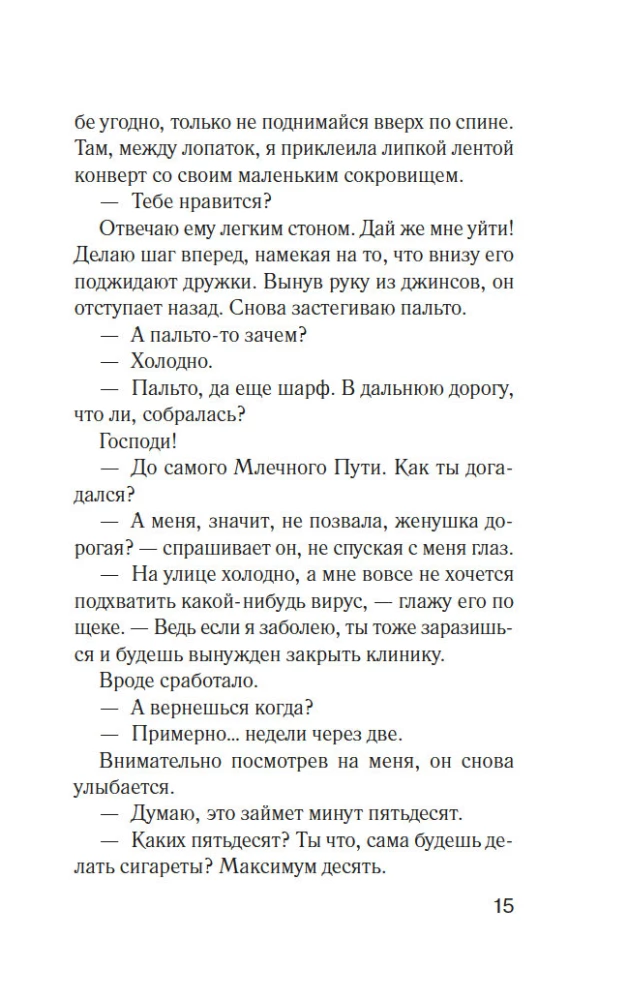
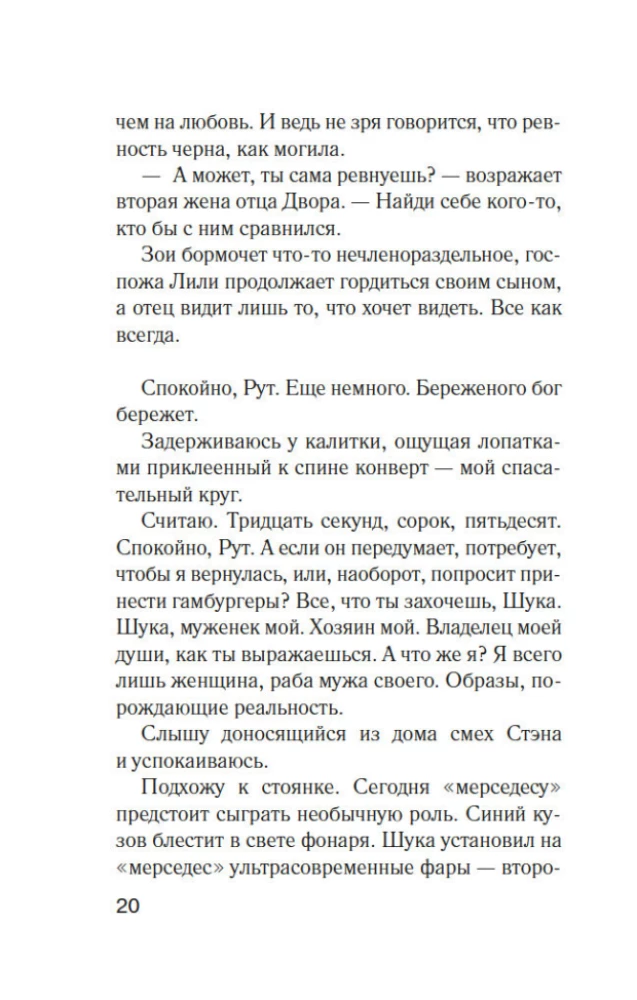
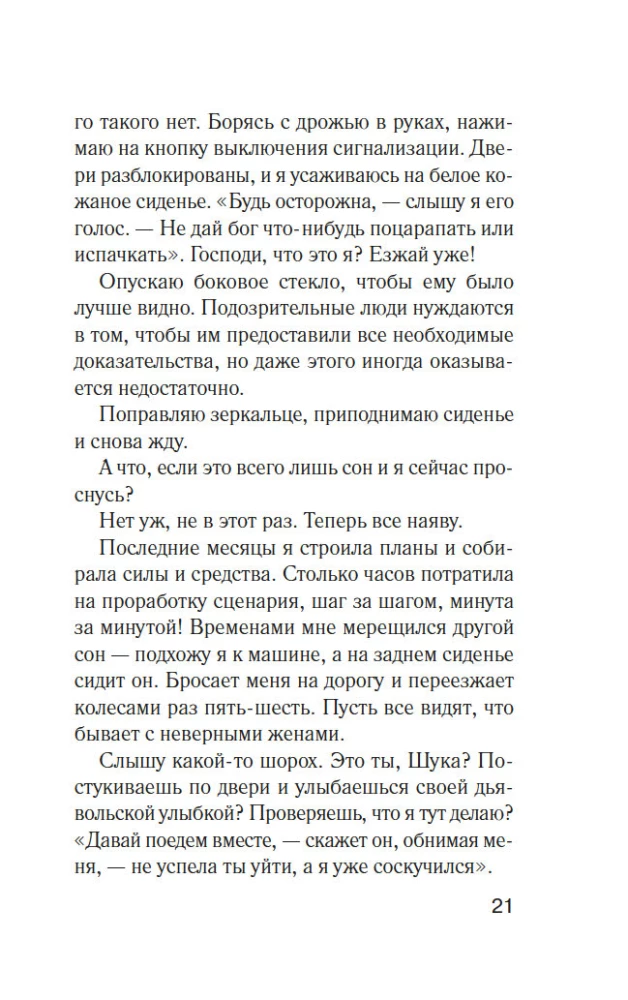
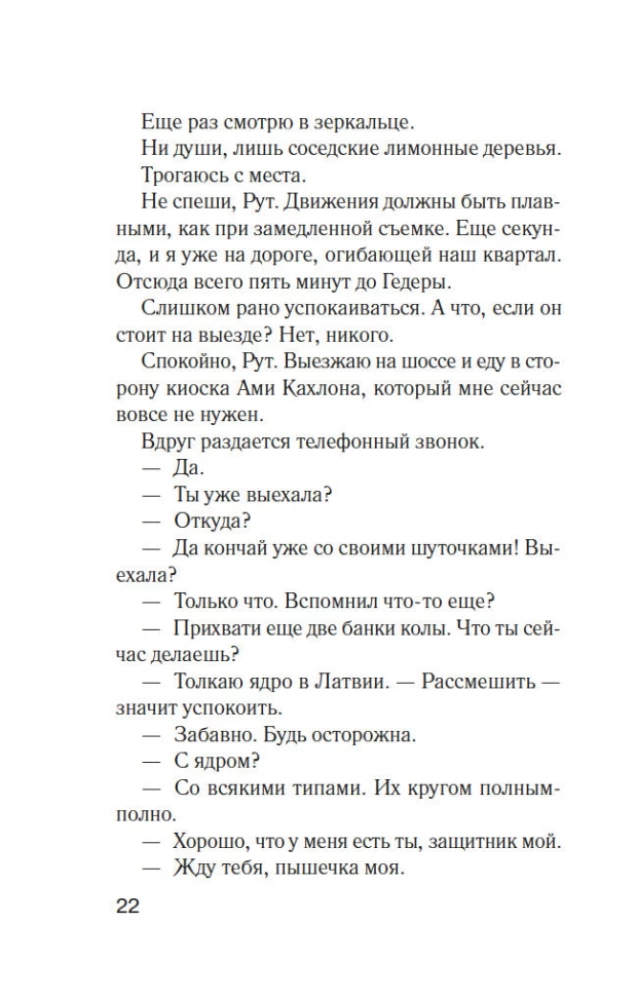
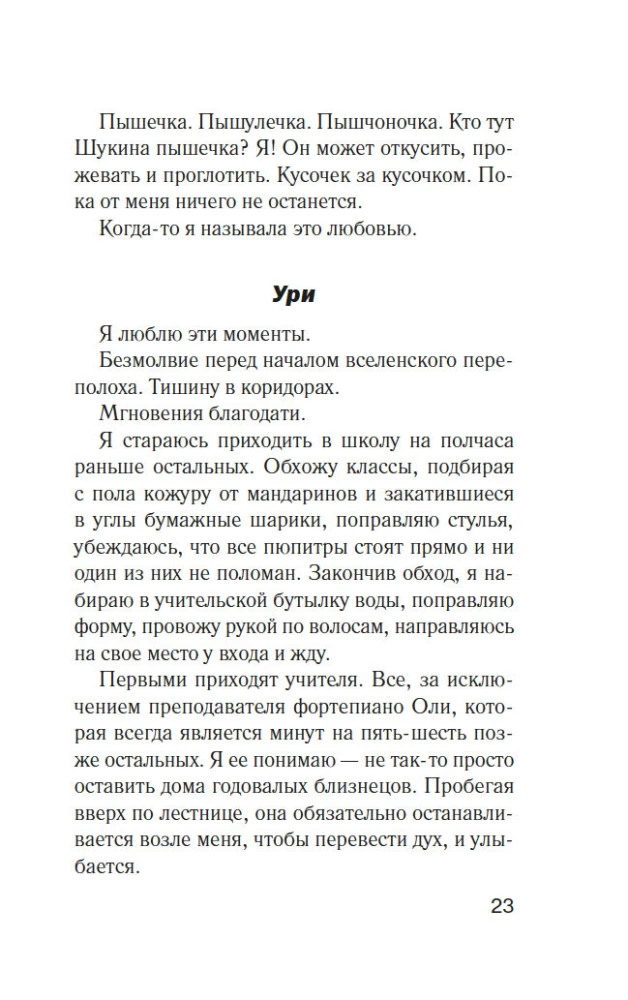
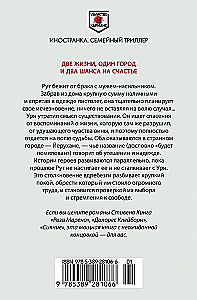
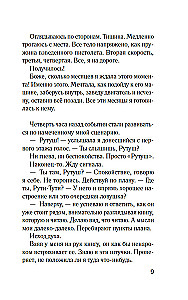
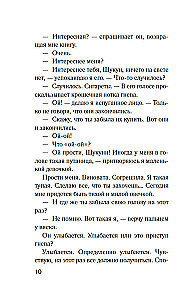
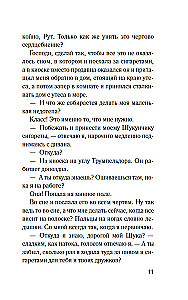
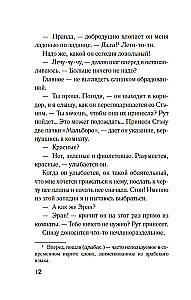
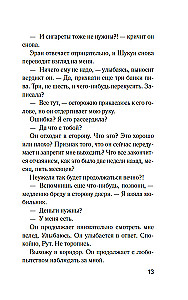
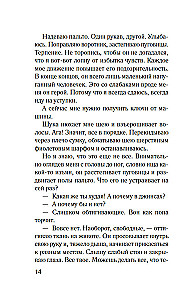
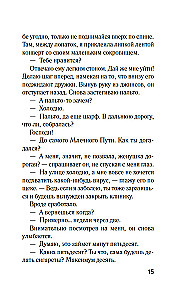
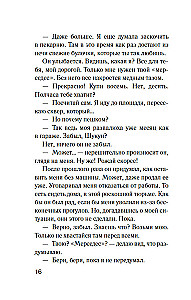
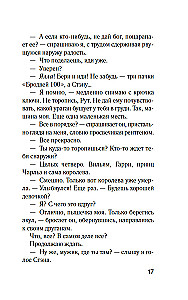
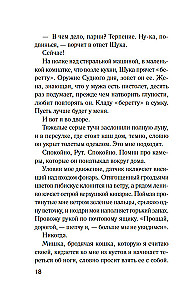
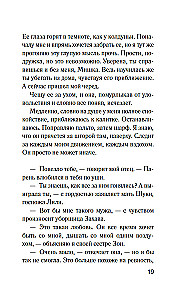
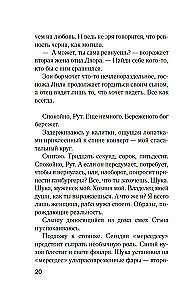
«Welcome to Nowhere» — a psychological thriller about escaping from violence, guilt, and a life that has become unbearable. In Adi Gefen's book, modern Israel is presented not as a postcard but as a space of anxiety, roads, temporary shelters,...
and rare points of support. One of these points is Yeruham, a tiny town in the center of the desert, where people with heavy pasts gather, hoping to breathe easy, if only for a while. Here, external effects are not important; rather, it is the internal state of the characters that matters: fear, isolation, shame, the need for acceptance, and the attempt to feel the ground beneath their feet once more.
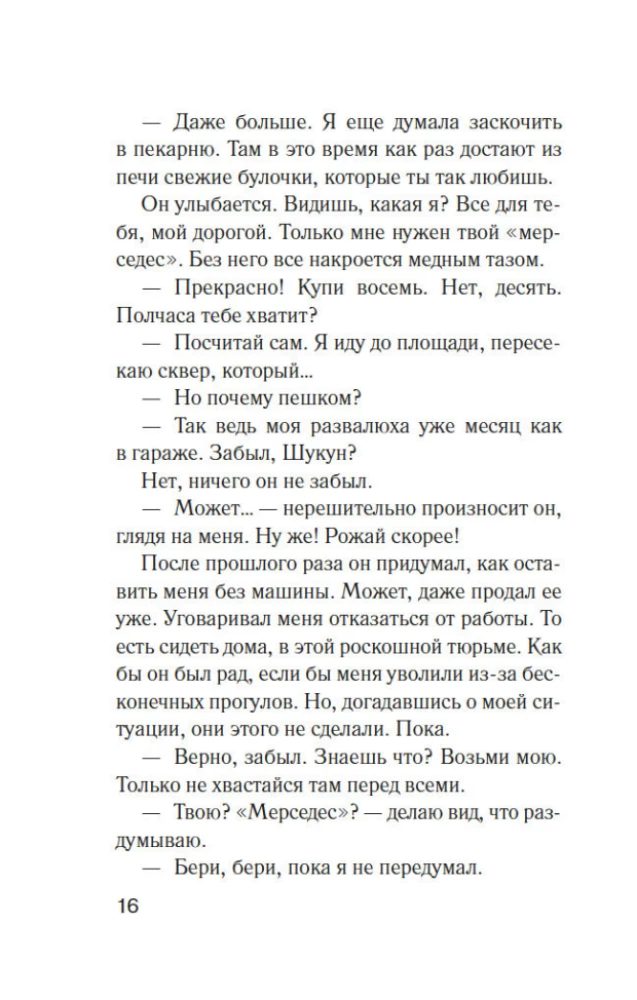
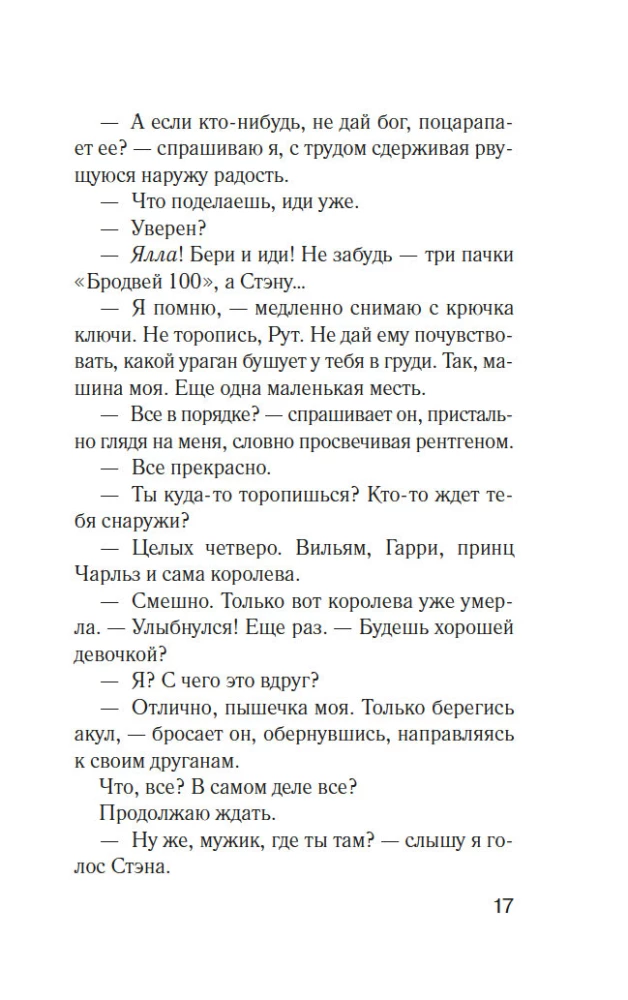
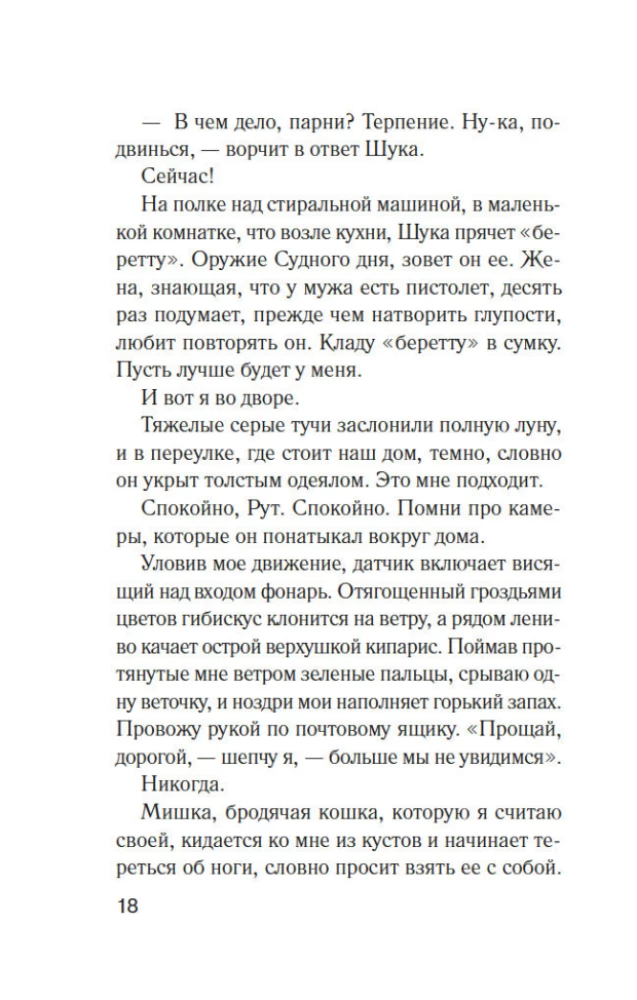
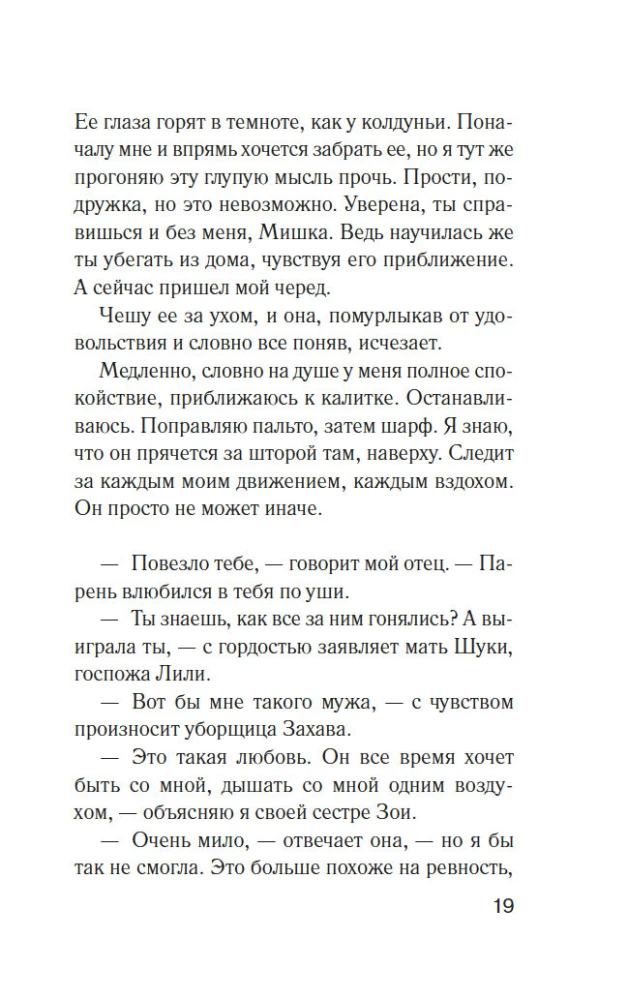
Ruth escapes from her husband, who controlled her every move and turned their marriage into a system of punishments. She changes one shelter for another, trying not to be found until her path leads her to Yeruham. Meanwhile, Uri is leaving his own shattered life: guilt, loss, and the collapse of family relationships follow him. Their paths run parallel but do not repeat each other: one is built around escaping from abuse, and the other is an attempt to live after a personal catastrophe. Against this backdrop, the small desert town becomes a place not only to hide but also to see if a return to oneself is possible.
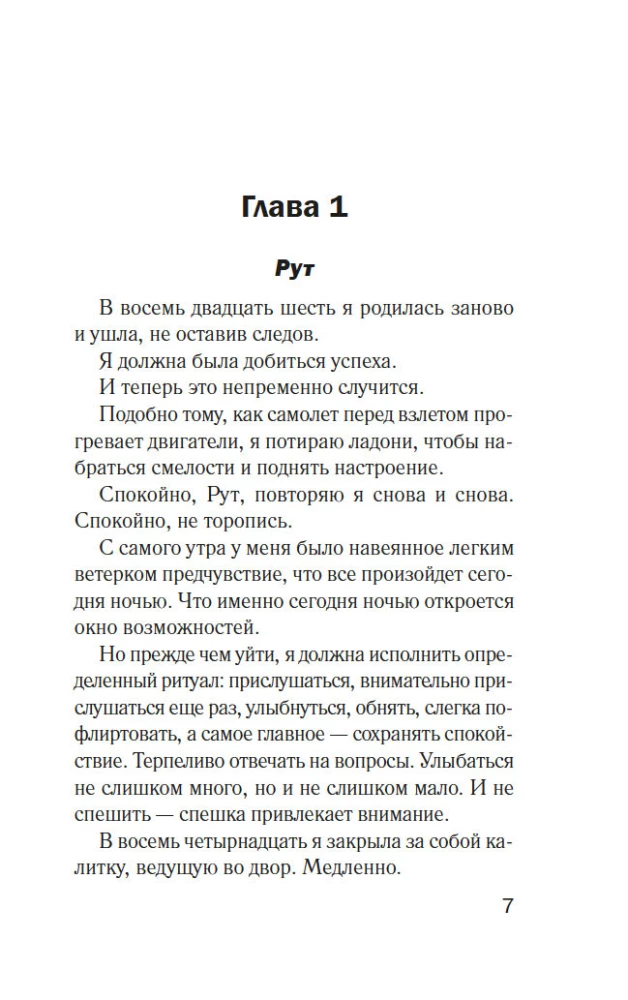
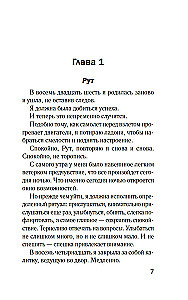
Ruth is a woman who outwardly lived in abundance but inside has long been trapped. Her escape is not an act of desperation for one day but a hard journey through fear, dependence, and the habit of submission.
Shuka is a successful ophthalmologist and Ruth's husband. Behind his prosperous facade lies strict control and violence, which is what initiates the flight.
Uri is a man broken by guilt after the death of his son, his wife's infidelity, and the collapse of his familiar life. His path to Yeruham is not about being pursued but about trying to survive loss and find support.
The novel will appeal to readers who value psychological prose, family drama, and a tense plot without excess sensationalism. In the Israeli context and attentiveness to the inner lives of the characters, it can stand alongside Dina Rubina's books, while on the topic of trauma and domestic violence it aligns with prose where the main focus is not on investigation, but on the cost of survival. The text converges several strong themes: abuse, guilt, loss, shame, the right to a fresh start, and the role of the community that helps a person not disappear in their own past.
The action unfolds in modern Israel, so the setting here is not a backdrop but an important part of the story: roads, shelters, and the desert Yeruham influence the rhythm and perception of what is happening. The narrative is built on two parallel plot lines. The text contains heavy themes: domestic violence, psychological abuse, child death, infidelity, family trauma. However, reading does not require special knowledge: the emphasis is on emotional authenticity, dynamics, and the experiences of the characters.
Ruth escapes from her husband, who controlled her every move and turned their marriage into a system of punishments. She changes one shelter for another, trying not to be found until her path leads her to Yeruham. Meanwhile, Uri is leaving his own shattered life: guilt, loss, and the collapse of family relationships follow him. Their paths run parallel but do not repeat each other: one is built around escaping from abuse, and the other is an attempt to live after a personal catastrophe. Against this backdrop, the small desert town becomes a place not only to hide but also to see if a return to oneself is possible.
Ruth is a woman who outwardly lived in abundance but inside has long been trapped. Her escape is not an act of desperation for one day but a hard journey through fear, dependence, and the habit of submission.
Shuka is a successful ophthalmologist and Ruth's husband. Behind his prosperous facade lies strict control and violence, which is what initiates the flight.
Uri is a man broken by guilt after the death of his son, his wife's infidelity, and the collapse of his familiar life. His path to Yeruham is not about being pursued but about trying to survive loss and find support.
The novel will appeal to readers who value psychological prose, family drama, and a tense plot without excess sensationalism. In the Israeli context and attentiveness to the inner lives of the characters, it can stand alongside Dina Rubina's books, while on the topic of trauma and domestic violence it aligns with prose where the main focus is not on investigation, but on the cost of survival. The text converges several strong themes: abuse, guilt, loss, shame, the right to a fresh start, and the role of the community that helps a person not disappear in their own past.
The action unfolds in modern Israel, so the setting here is not a backdrop but an important part of the story: roads, shelters, and the desert Yeruham influence the rhythm and perception of what is happening. The narrative is built on two parallel plot lines. The text contains heavy themes: domestic violence, psychological abuse, child death, infidelity, family trauma. However, reading does not require special knowledge: the emphasis is on emotional authenticity, dynamics, and the experiences of the characters.
Author: Адива Геффен
Printhouse: Inostranka
Series: Murder in the Pocket
Age restrictions: 18+
Year of publication: 2026
ISBN: 9785389281066
Number of pages: 480
Size: 170х110х24 mm
Cover type: hard
Weight: 333 g
ID: 1744880
In stock
€ 9.99
Will be delivered to United States on 29 September (Tu):
By courier
from € 38.94
Bestsellers






Bestseller
€ 12.19
In stock
Kanashibari. Until the Last Lantern Goes Out. Volume 1
Ангелина Шэн, Вероника Шэн