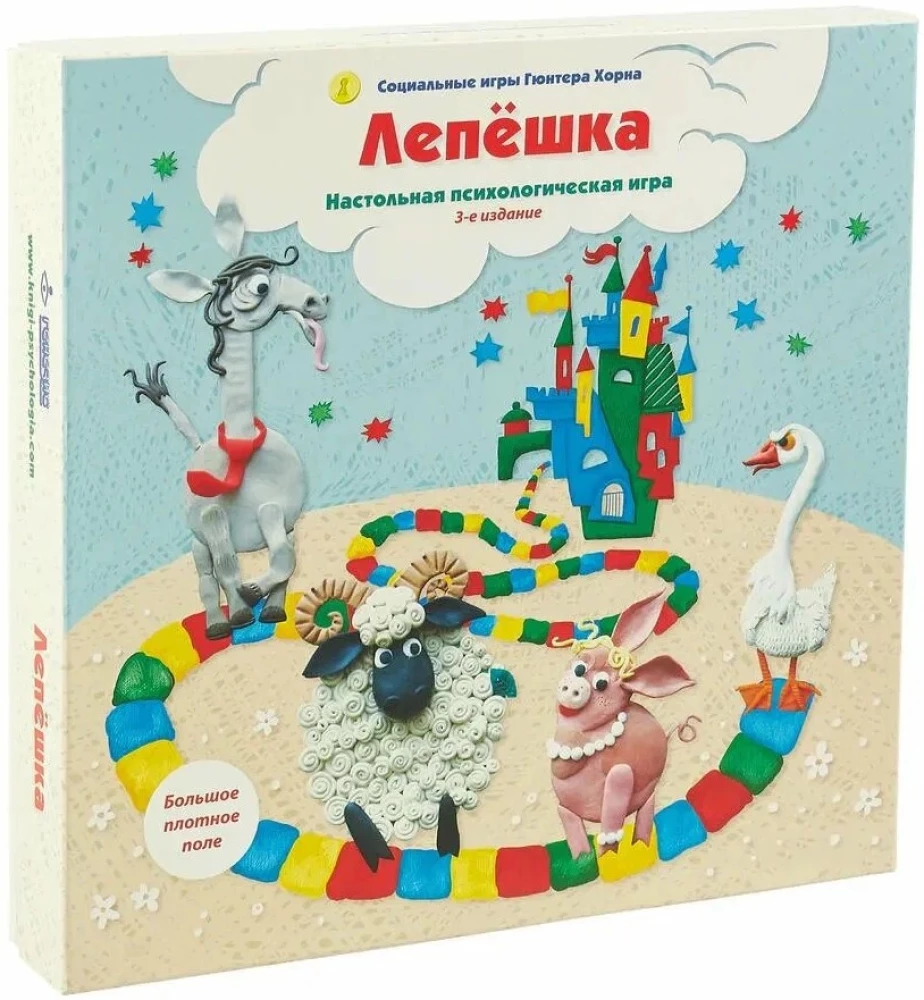
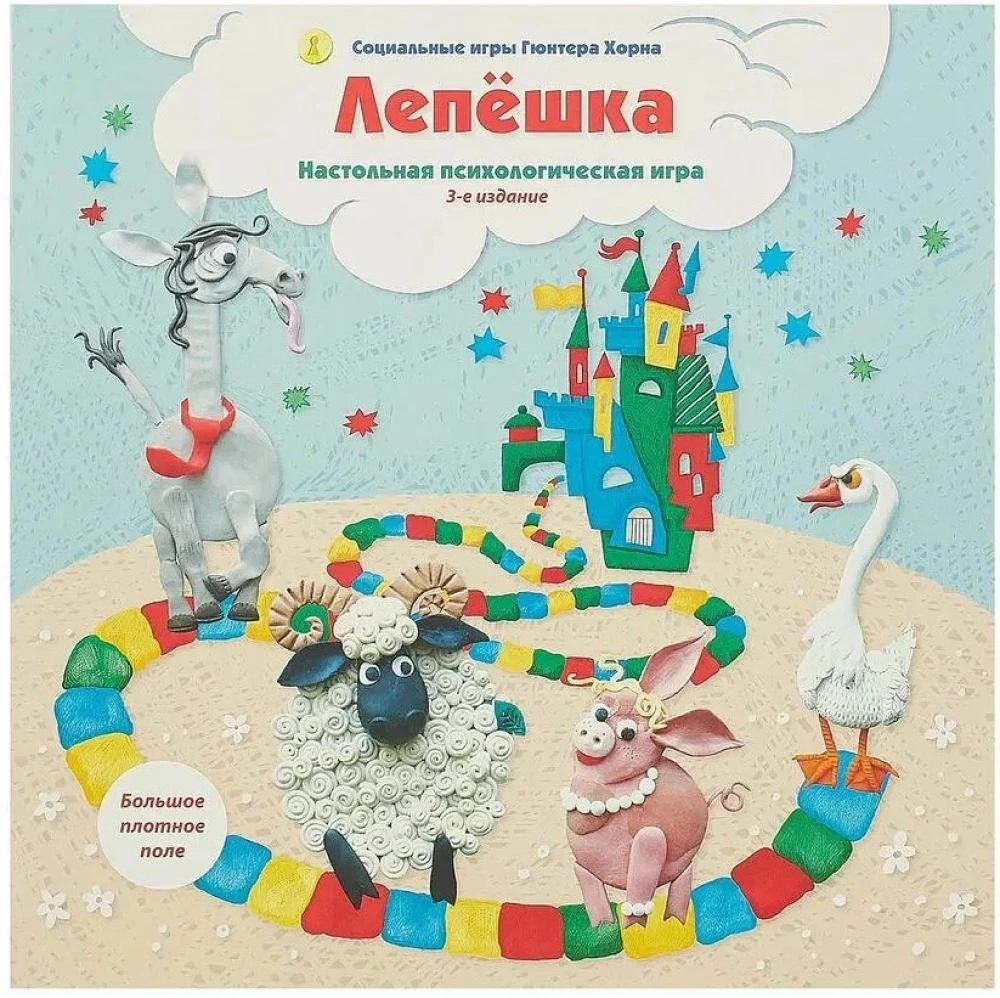
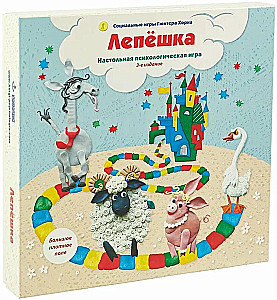
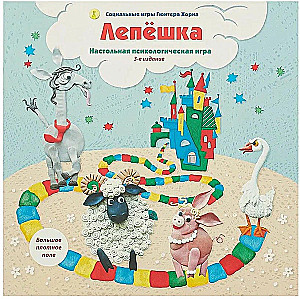
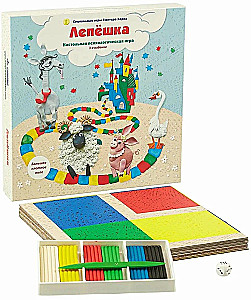
Lepeshka - Desktop Psychological Game
Author: Гюнтер Хорн
Printhouse: Genezis
Series: Psychological Games
Age restrictions: 4+
Year of publication: 2024
ISBN: 9785985637892
Size: 265х265х50 mm
Weight: 985 g
ID: 1735452
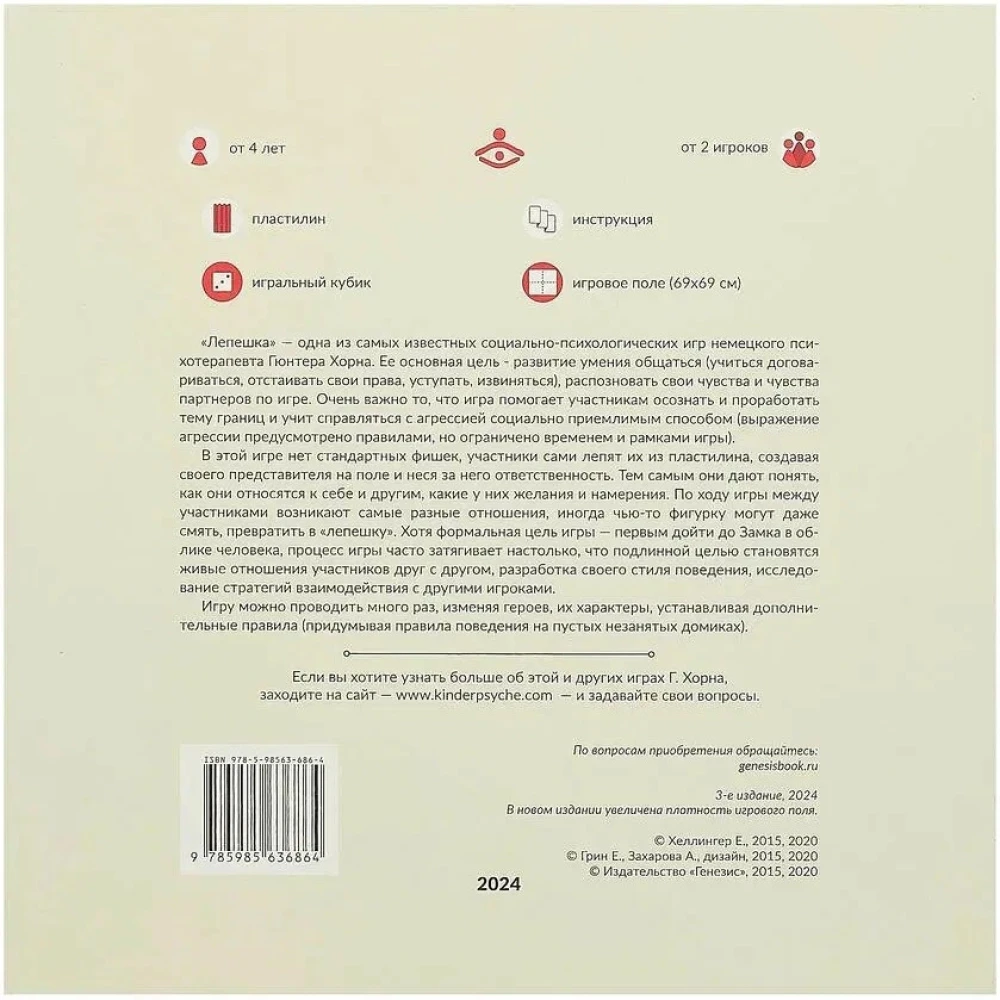
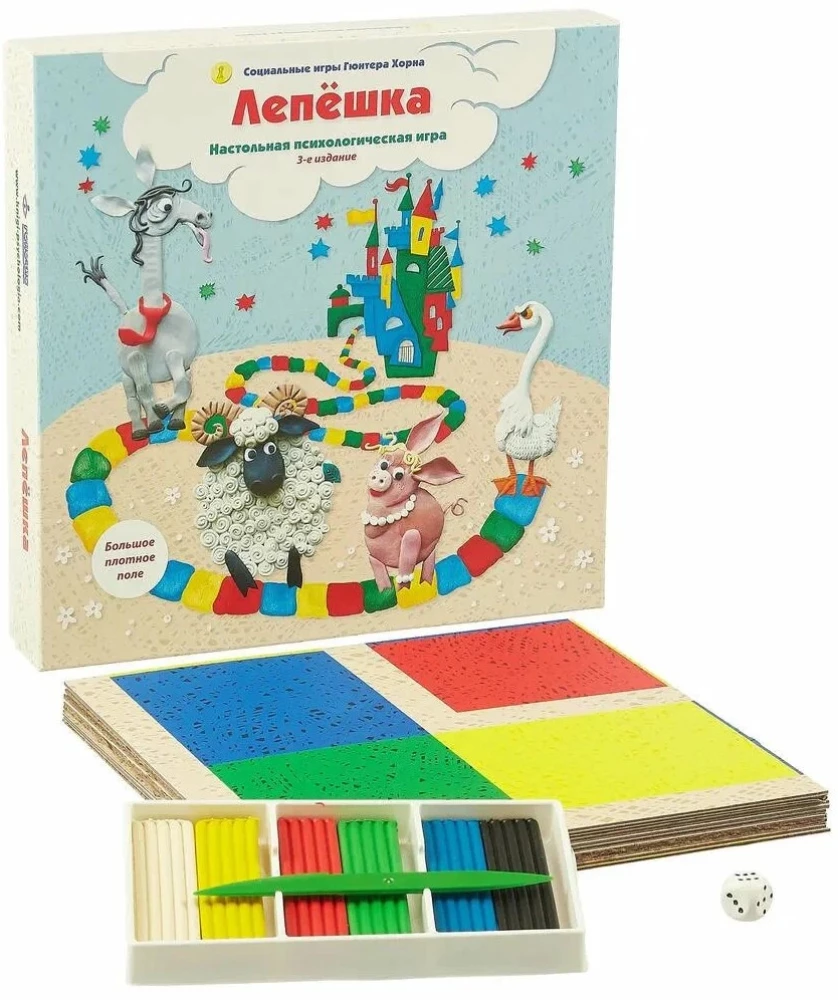
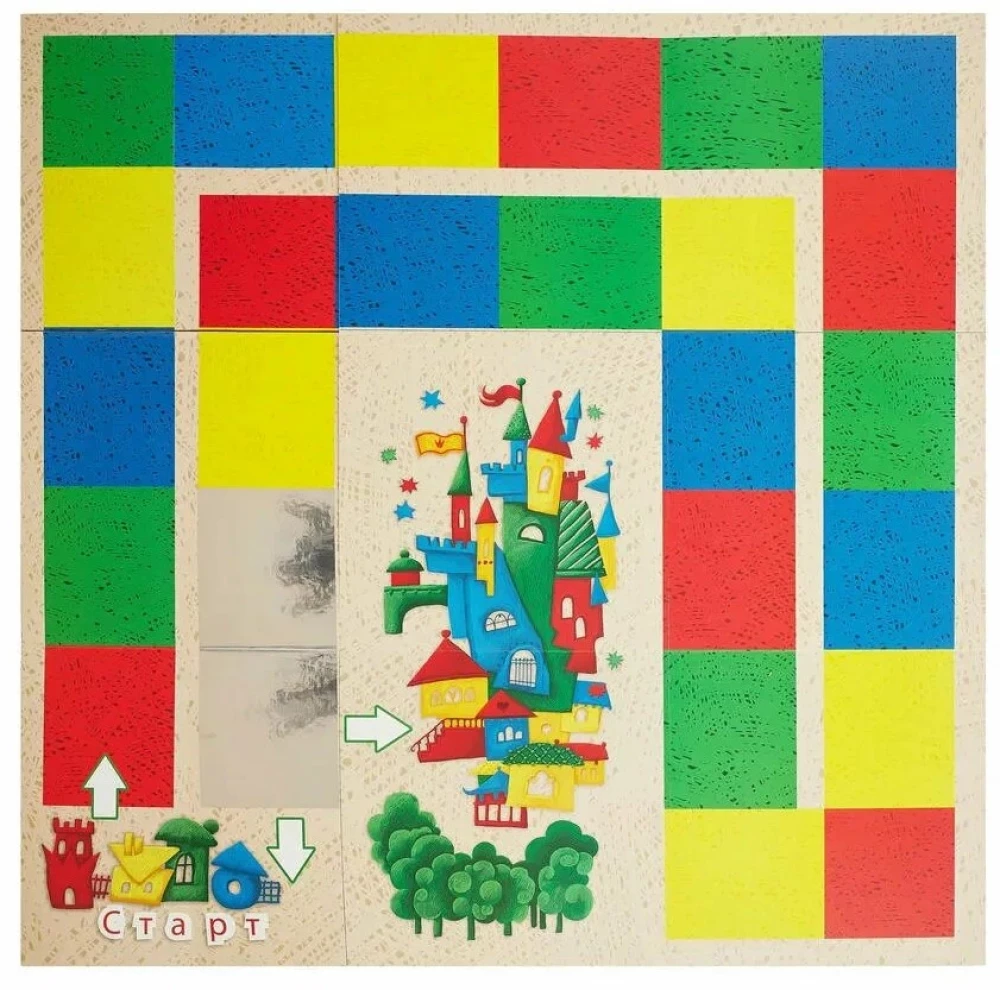
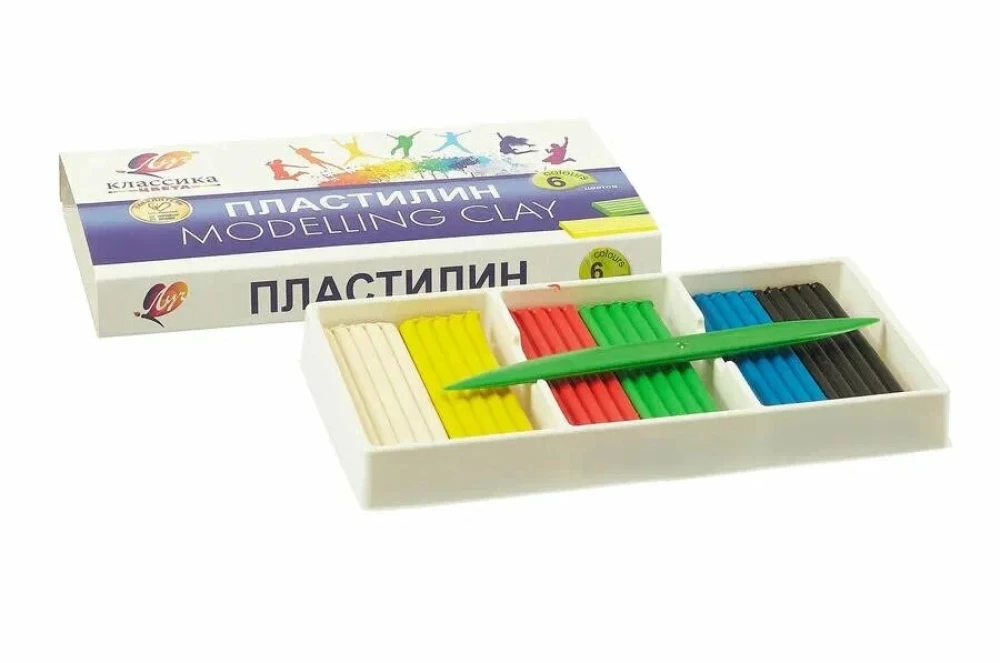
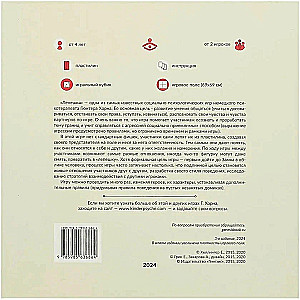
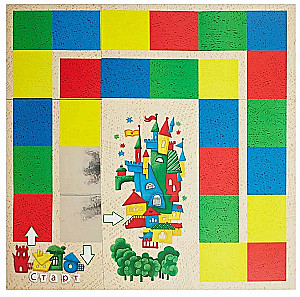
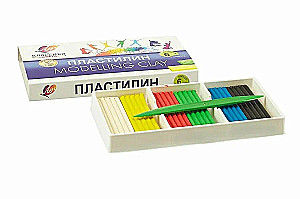
«Lepeshka» — a socio-psychological game that develops social intelligence (the ability to communicate) in children, adolescents, and adults. The creator of the game is Gunter Horn, a child psychotherapist from Karlsruhe (Germany). The game helps children learn to recognize and express their feelings, wishes, as well as defend themselves verbally. Players independently mold their game tokens from clay, thus conveying how they relate to themselves and to other players, what their desires and intentions are. The game also practices the experience of mutual accusations, polite apologies, expressions of gratitude, and requests for help. Players learn to deal with aggression in a socially acceptable way, and unacceptable behavior is punished. Additionally, the game helps participants understand and work through the theme of boundaries, giving them an understanding of the value of their home. Children aged 4 and older can participate in the game. The number of players is from 2 to 8. It is best if there are four players, but there can be more. In that case, the pieces of clay need to be divided in half. Then, in each house, there will be not one, but two residents of the corresponding color. The goal of the game is to be the first to reach the final destination (the Castle). However, the game process often takes so long that the interpersonal relationships of the participants with each other, their interactions, and the development of behavioral strategies become much more important than the formal goal. «Lepeshka» never gets boring, as it «grows» with its players. It can be played repeatedly, changing characters, their traits, and establishing additional rules (for example, inventing rules for behavior in empty unoccupied houses). Initially, «Lepeshka» was created for peers to play with each other, however, under certain rules, children can also play it with adults. Since in «Lepeshka» the relationships of players are quite complex, someone's figure may even be crushed, and it is doubly disappointing if this is done by a close adult, so this game has a rule: adults can only play together with children from a «child's» position.
Game duration: from 20 to 40 minutes
Number of players: from 2 to 8