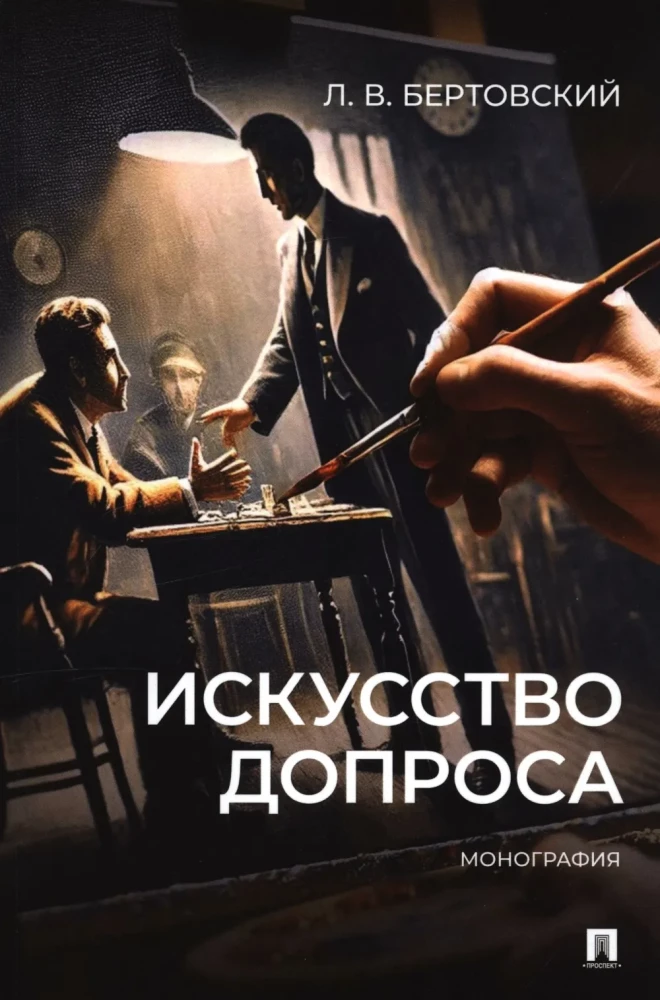
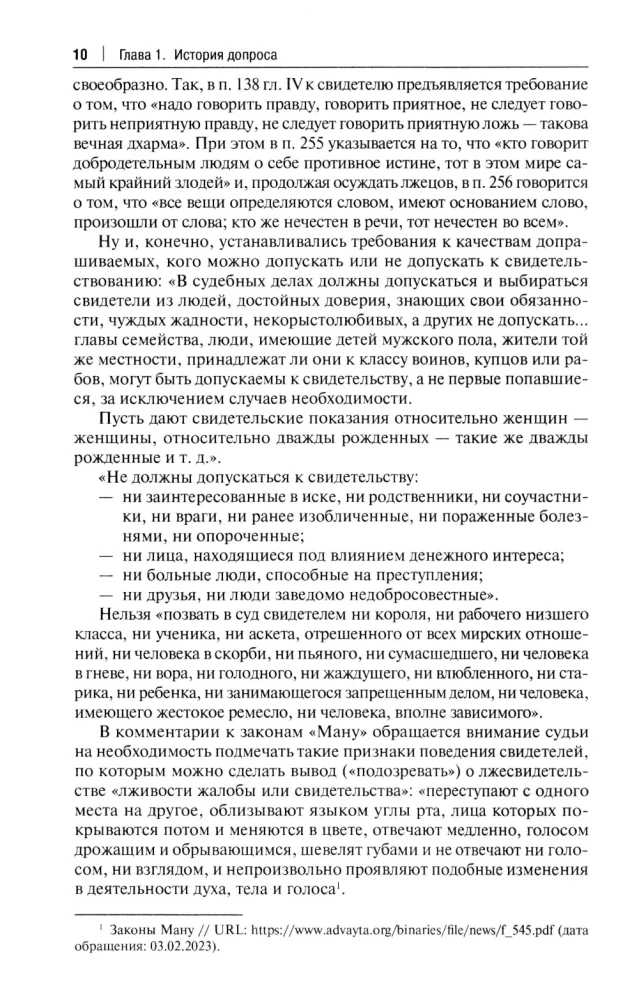
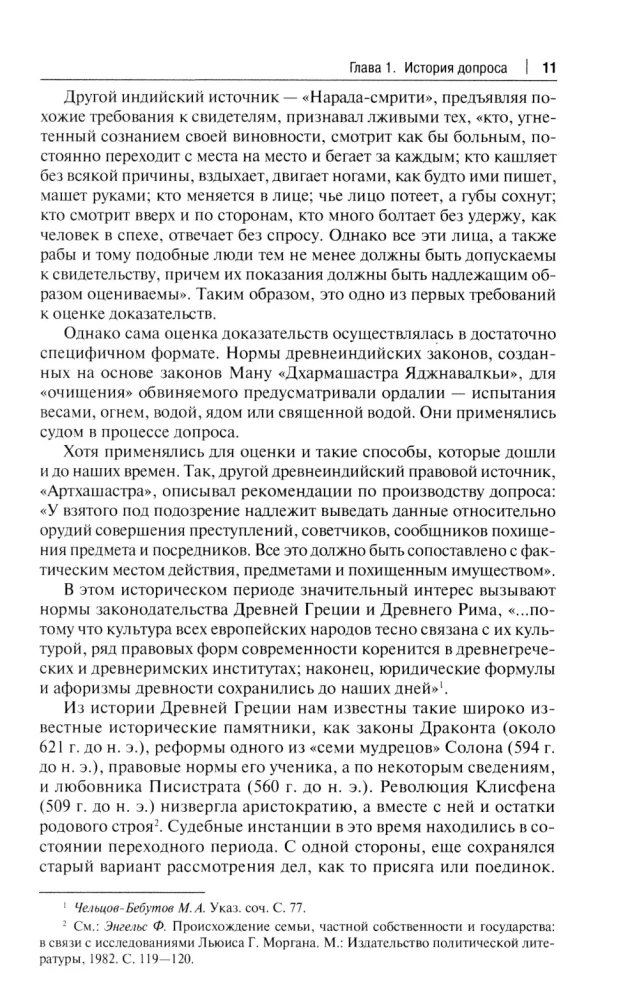
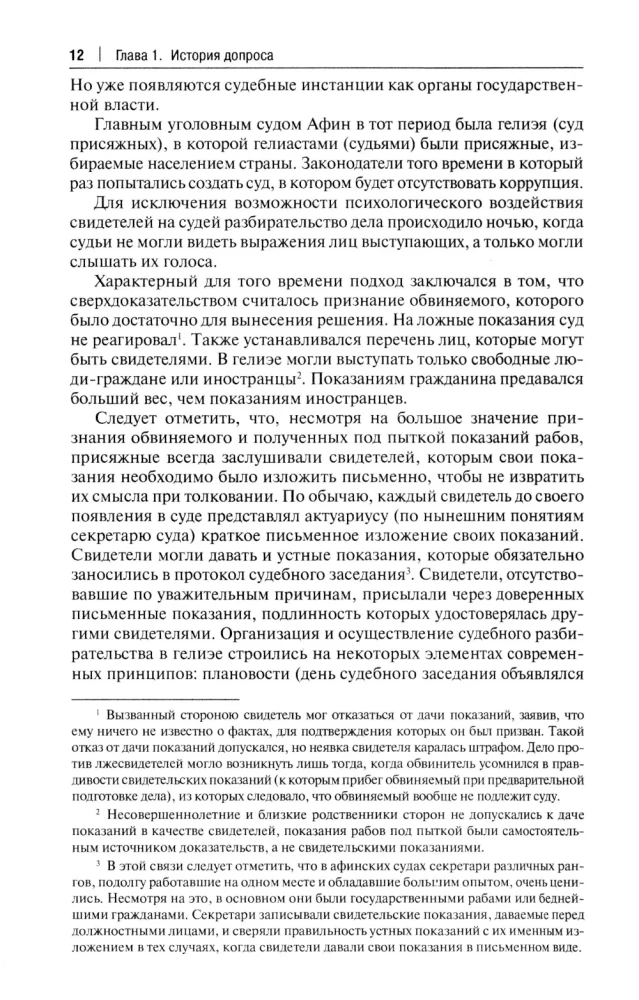
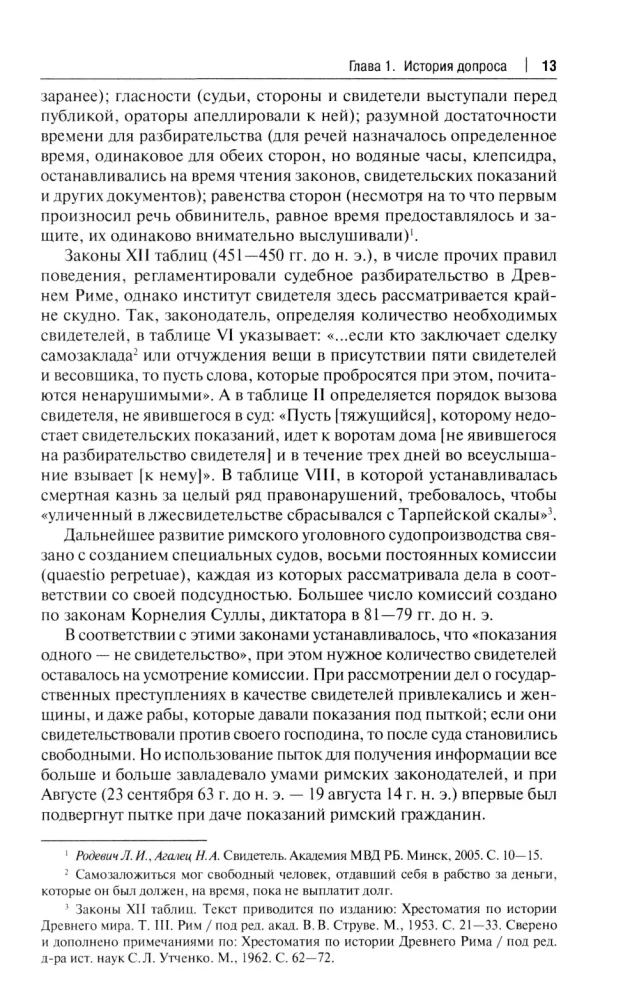
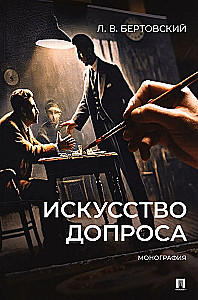
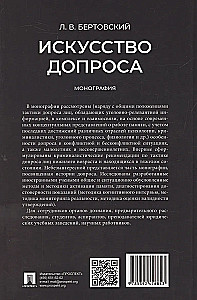
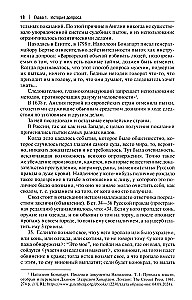
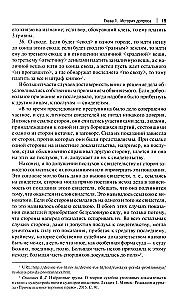
Искусство допроса. Монография
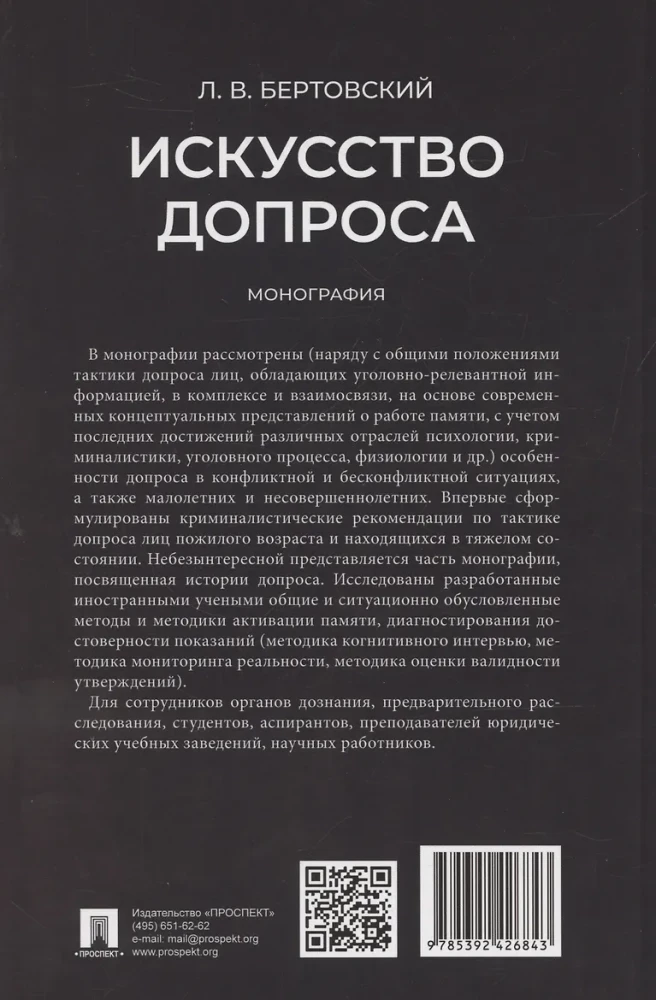
«The Art of Interrogation. Monograph» — is a monograph about interrogation tactics, memory work, and the assessment of testimony credibility in criminal proceedings. Lev Vladimirovich Bertovsky discusses in detail how interrogation is conducted in various situations and what psychological, procedural,...
and forensic factors affect its course. The publication is addressed to those who are interested not in a general discussion about investigative work, but in a systematic analysis of the techniques, conditions, and decisions related to obtaining significant information for investigations.
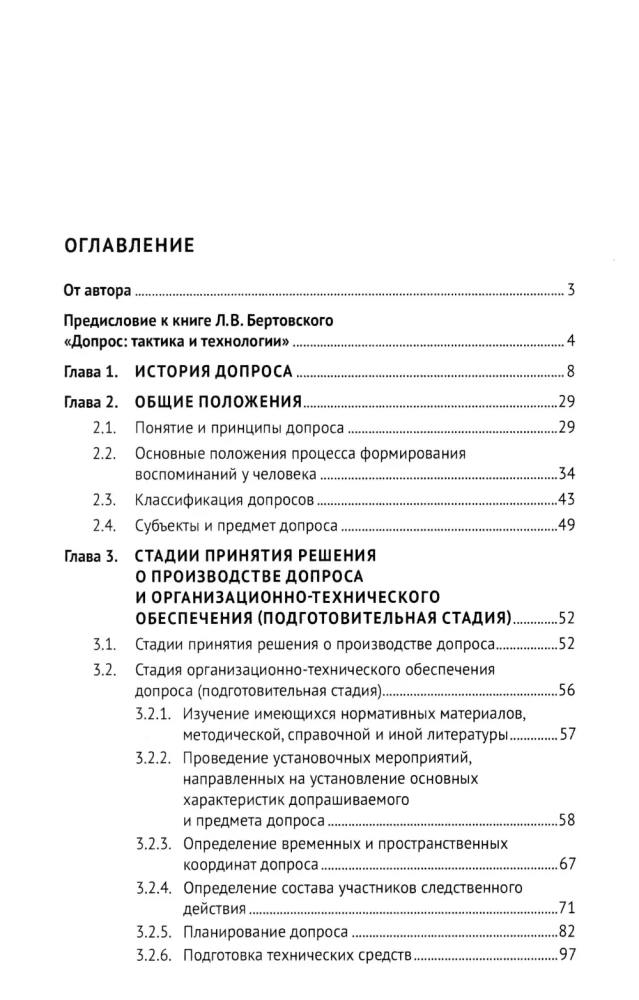
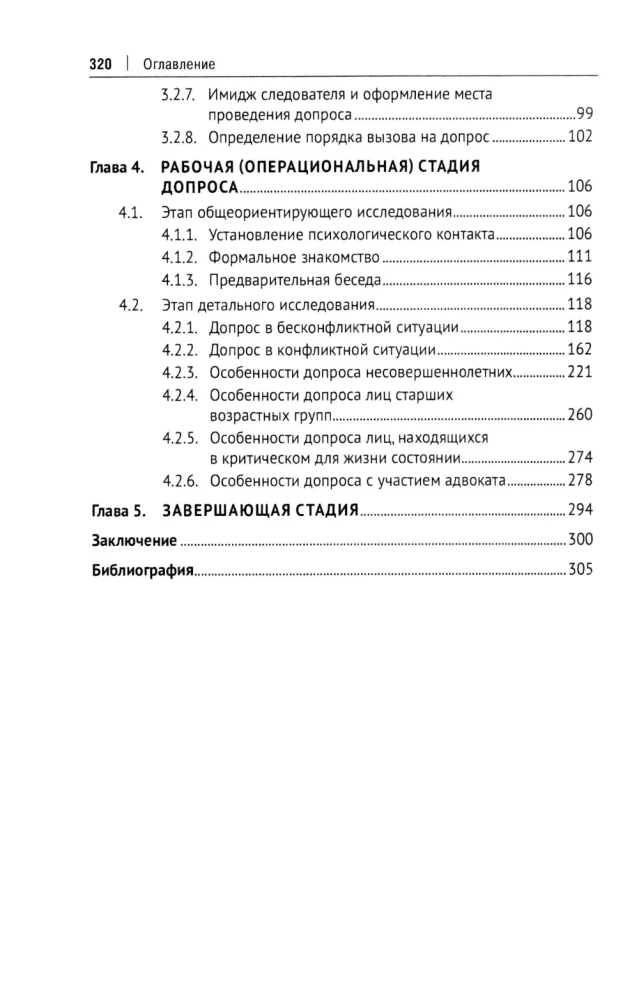
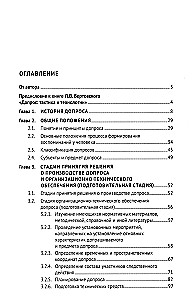
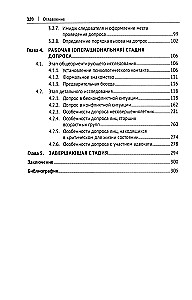
The book pertains to forensics and touches on related issues of criminal procedure and legal psychology. The focus is on the interrogation of individuals who possess information vital for establishing the circumstances of the case. The author examines preparation and planning: choosing the place and time, the composition of participants, the environment, and other conditions that influence the outcome.
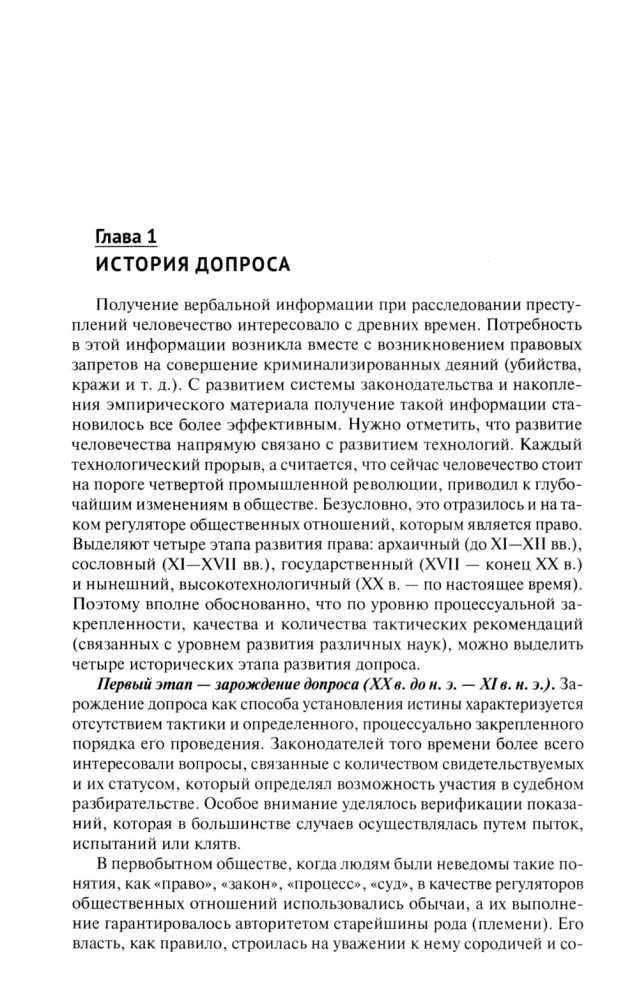
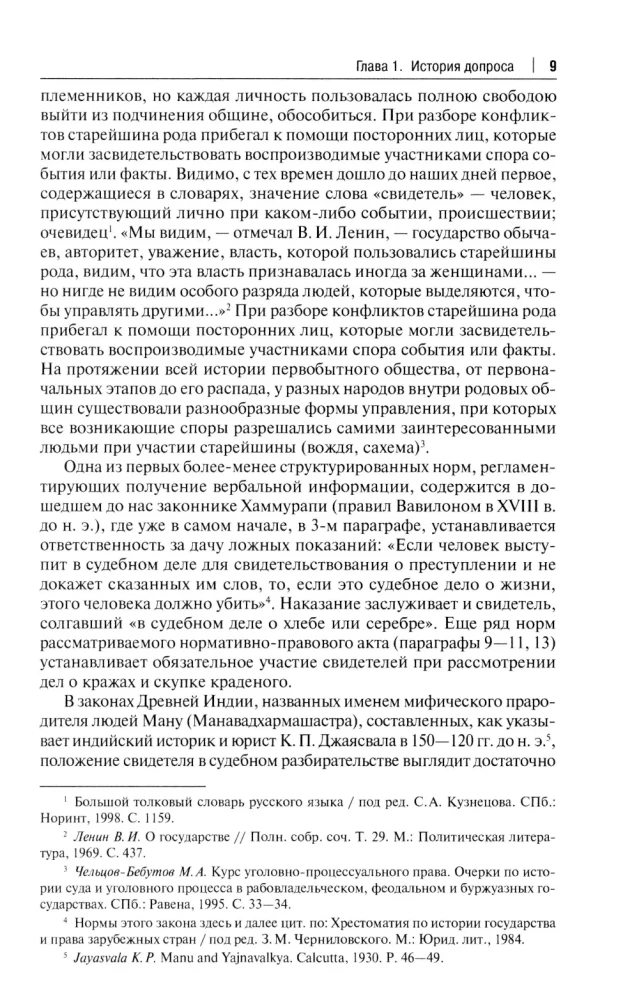
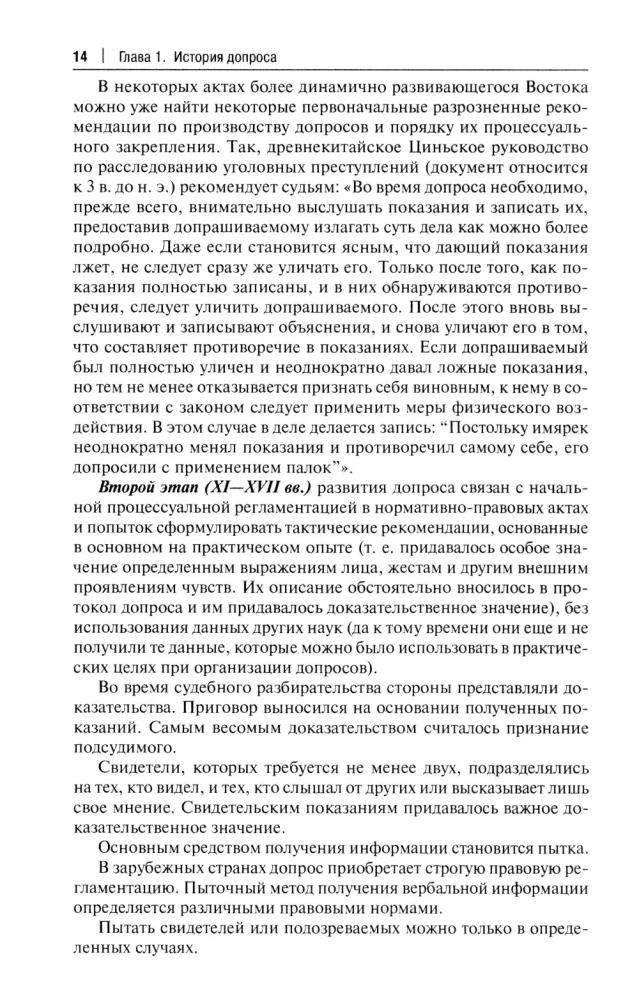
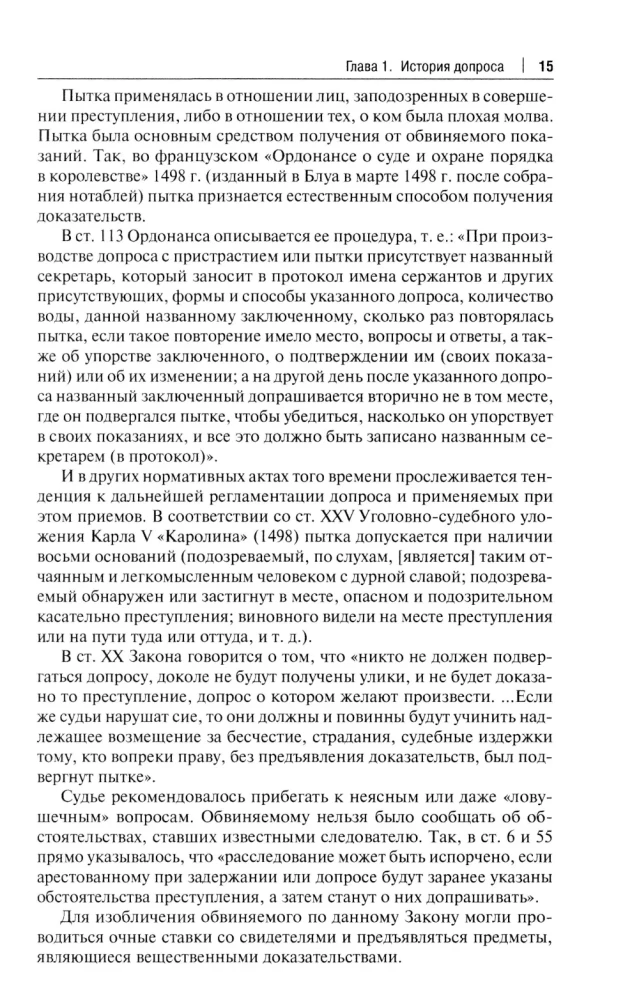
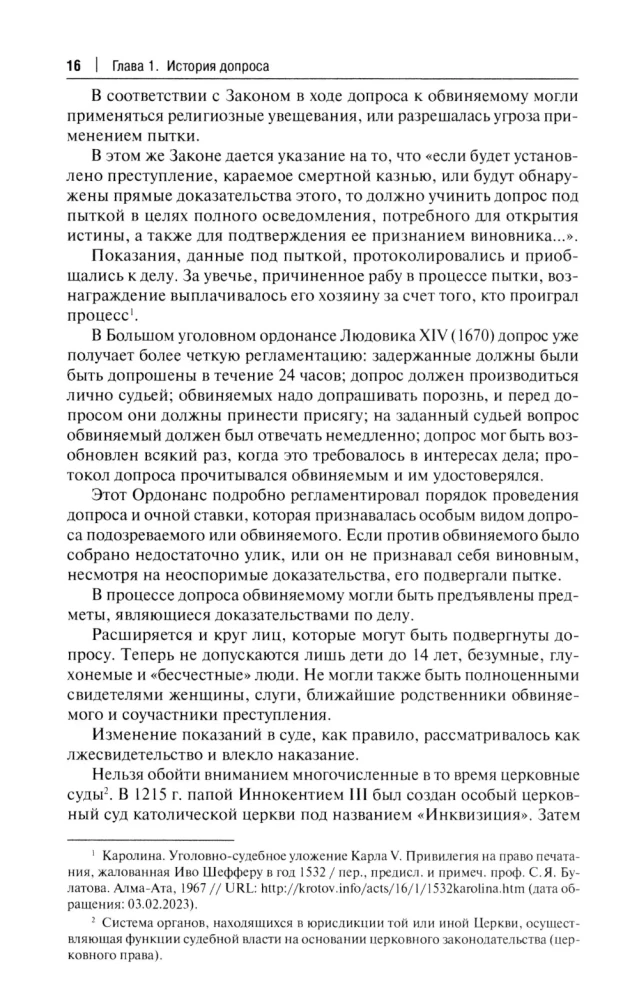
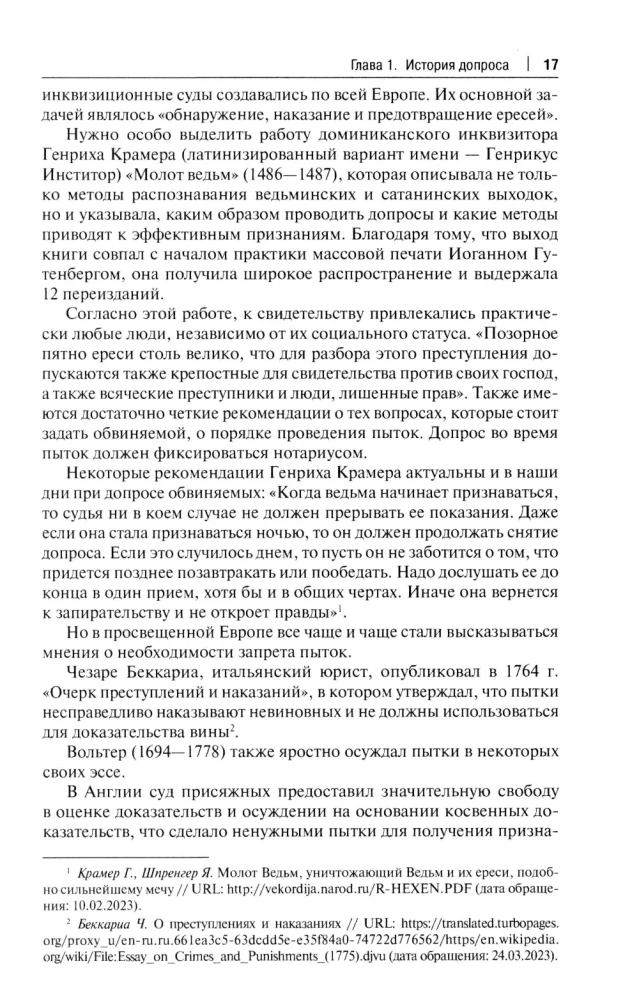
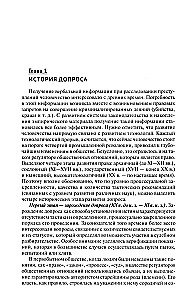
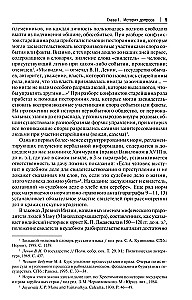
Conflict and non-conflict situations are separately analyzed, as well as the interrogation of minors and juveniles, the participation of defense counsel, and the peculiarities of working with elderly people and individuals in serious condition. There is also a historical section that shows how perceptions of interrogation and its tactics have evolved.
One of the central themes — memory and the mechanisms of recollection. The author links interrogation tactics with modern notions of mental processes, the emotional state of the interrogated, and the reasons for information distortion. This approach helps to see interrogation not only as a procedural act but also as a complex communicative situation. The monograph also collects and summarizes foreign methodologies for activating memory and assessing the credibility of testimony. Among them are — cognitive interviews, reality monitoring, and validation assessment methods. These approaches are presented as part of the general forensic toolkit, rather than as a set of universal techniques outside the context of the case and specific situation.
The publication will interest employees of inquiry and preliminary investigation bodies, investigators, and other specialists in the law enforcement sphere. It will be useful for students, graduate students, and educators in legal universities, as well as those studying forensics, criminal procedure, and legal psychology. The book is worth reading for those seeking a systematic representation of interrogation tactics, wanting to better understand the connection between investigative practice and memory psychology, and needing a professional analysis of the complex categories of the interrogated. For the choice, this is an important plus: it includes not only general provisions but also specific situational recommendations, including comparatively rare topics in such literature regarding the interrogation of elderly people and individuals in serious condition.
The book covers topics of crimes, violence, and psychological impact during interrogation. The main emphasis is not on the sensational side of criminal cases, but on the investigative logic, conditions for obtaining testimony, and professional analysis of the techniques used in forensic tactics.
The book pertains to forensics and touches on related issues of criminal procedure and legal psychology. The focus is on the interrogation of individuals who possess information vital for establishing the circumstances of the case. The author examines preparation and planning: choosing the place and time, the composition of participants, the environment, and other conditions that influence the outcome.
Conflict and non-conflict situations are separately analyzed, as well as the interrogation of minors and juveniles, the participation of defense counsel, and the peculiarities of working with elderly people and individuals in serious condition. There is also a historical section that shows how perceptions of interrogation and its tactics have evolved.
One of the central themes — memory and the mechanisms of recollection. The author links interrogation tactics with modern notions of mental processes, the emotional state of the interrogated, and the reasons for information distortion. This approach helps to see interrogation not only as a procedural act but also as a complex communicative situation. The monograph also collects and summarizes foreign methodologies for activating memory and assessing the credibility of testimony. Among them are — cognitive interviews, reality monitoring, and validation assessment methods. These approaches are presented as part of the general forensic toolkit, rather than as a set of universal techniques outside the context of the case and specific situation.
The publication will interest employees of inquiry and preliminary investigation bodies, investigators, and other specialists in the law enforcement sphere. It will be useful for students, graduate students, and educators in legal universities, as well as those studying forensics, criminal procedure, and legal psychology. The book is worth reading for those seeking a systematic representation of interrogation tactics, wanting to better understand the connection between investigative practice and memory psychology, and needing a professional analysis of the complex categories of the interrogated. For the choice, this is an important plus: it includes not only general provisions but also specific situational recommendations, including comparatively rare topics in such literature regarding the interrogation of elderly people and individuals in serious condition.
The book covers topics of crimes, violence, and psychological impact during interrogation. The main emphasis is not on the sensational side of criminal cases, but on the investigative logic, conditions for obtaining testimony, and professional analysis of the techniques used in forensic tactics.
Autors: Lev Bertovskij
Izdevniecība: Prospekt
Vecuma ierobežojumi: 18+
Izdošanas gads: 2026
ISBN: 9785392456185
Lappušu skaits: 320
Izmērs: 217h146h23 mm
Vāka tips: ciets vāks
Svars: 470 g
ID: 1744852
Nav noliktavā
€ 20.29
Nav noliktavā
€ 20.29
Populārakas



Top prece
€ 14.99
Ir uz vietas
K sevī maigi. Grāmata par to, kā novērtēt un sargāt sevi
Olga Primačenko

€ 13.29
Ir uz vietas
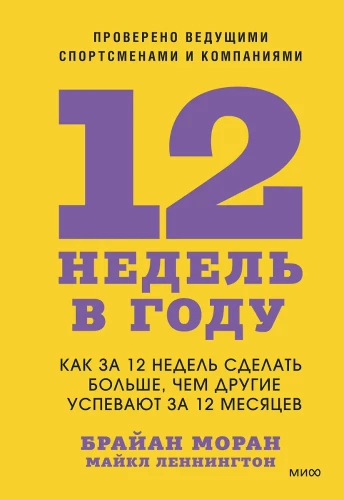
12 nedēļas gadā. Kā 12 nedēļās izdarīt vairāk, nekā citi paspēj 12 mēnešos
Majkl Lennington, Brajan Moran