


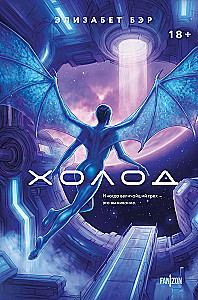


Холод
Autors: Elizabet Ber
Izdevniecība: Eksmo
Sērija: Fanzon. Star Kings. Masters of Modern Fiction
Vecuma ierobežojumi: 18+
Izdošanas gads: 2026
ISBN: 9785042195693
Lappušu skaits: 320
Izmērs: 219h147h24 mm
Vāka tips: ciets vāks
Svars: 400 g
ID: 1742297
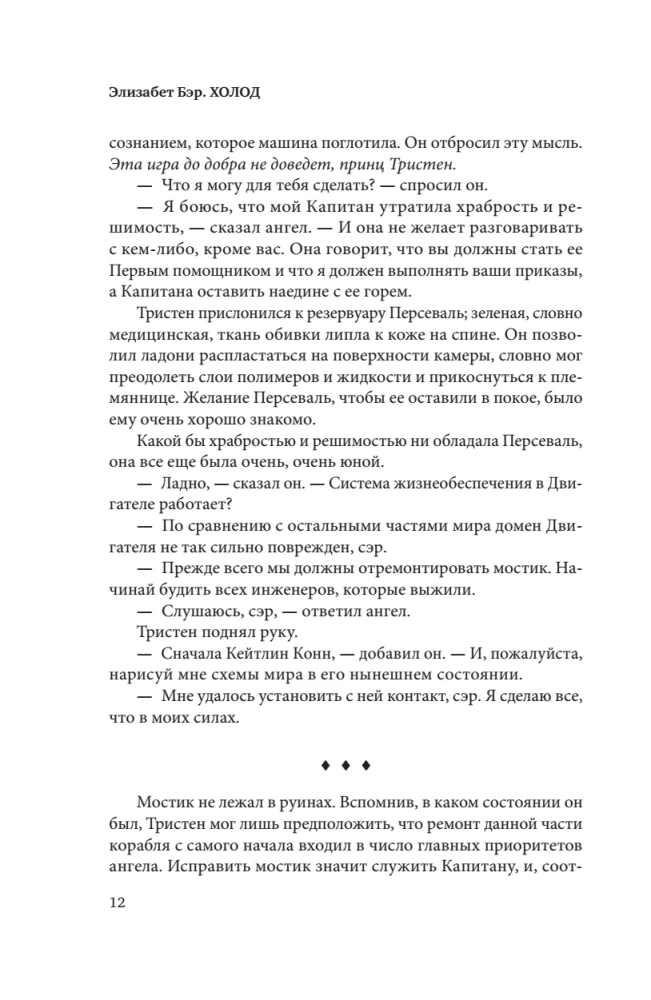
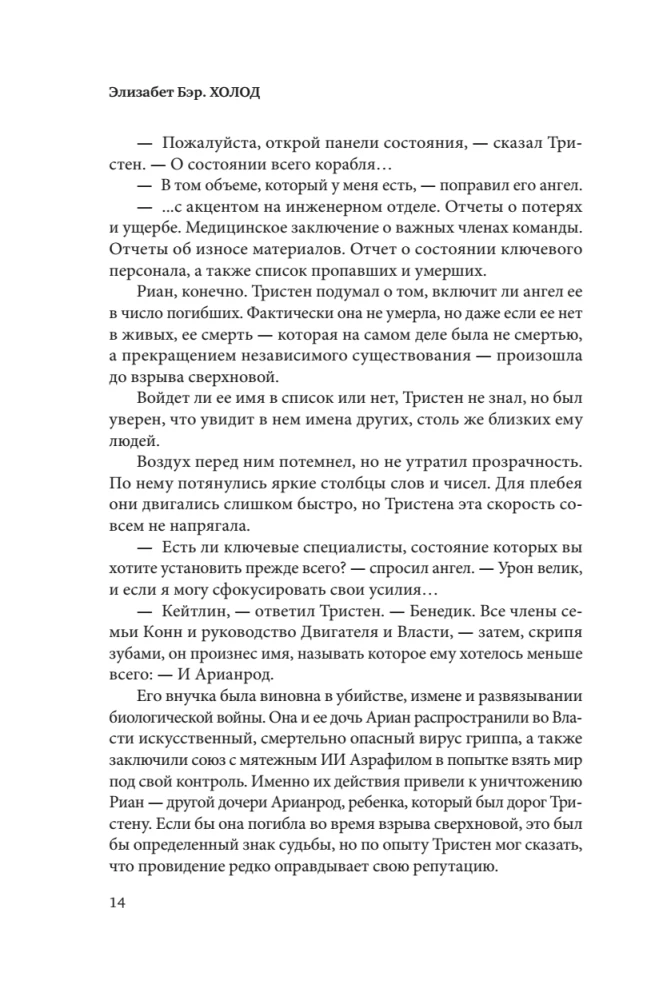
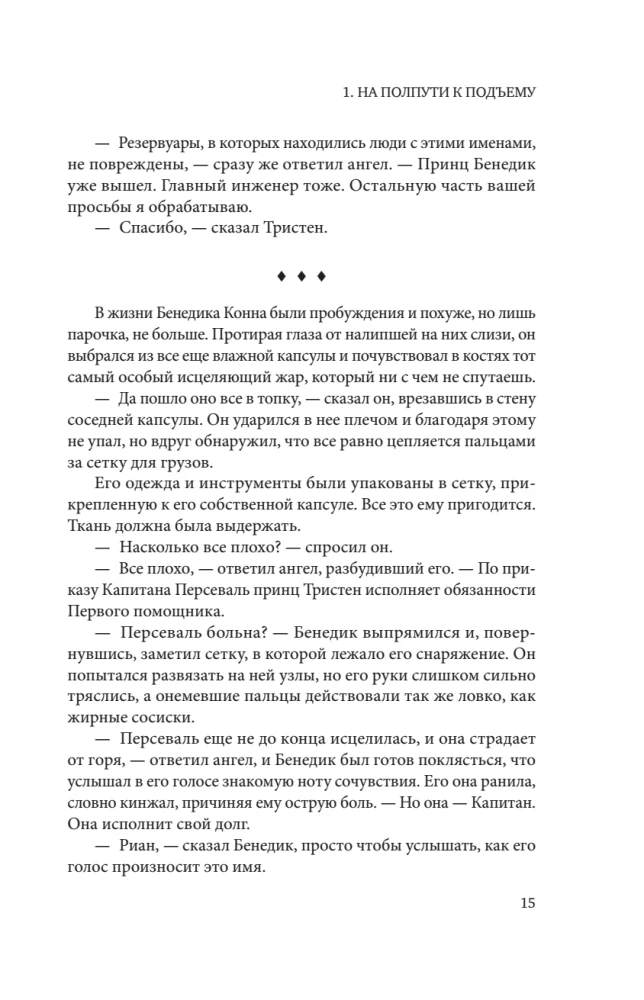
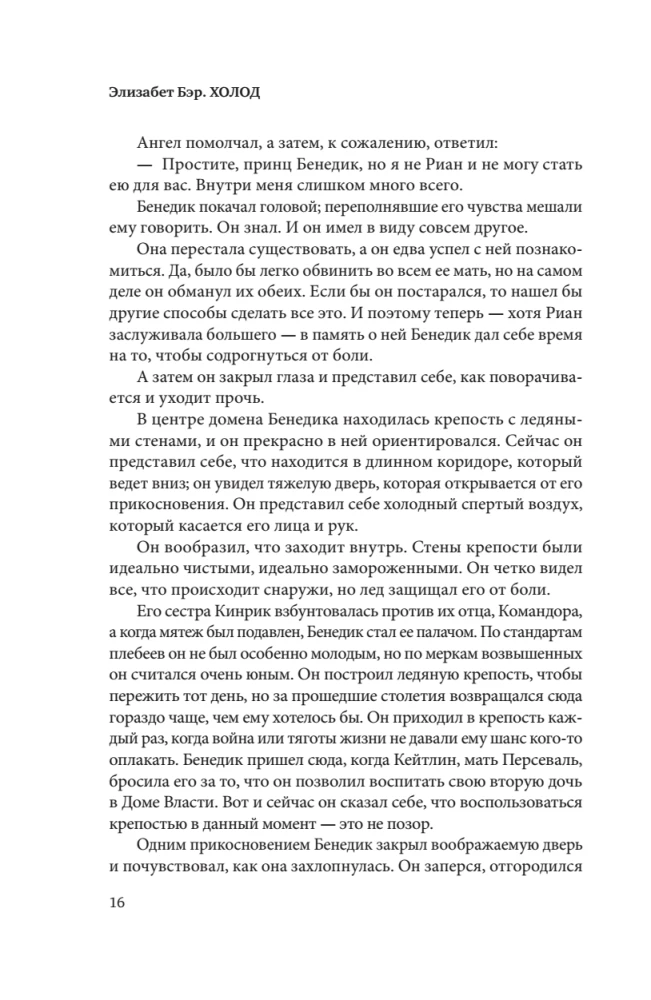
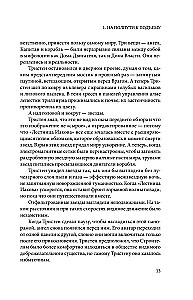
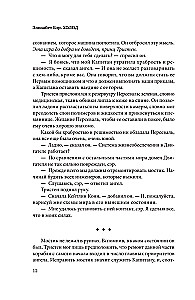
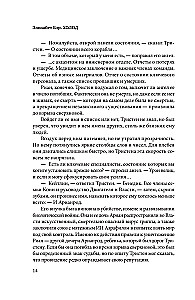
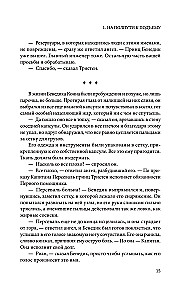
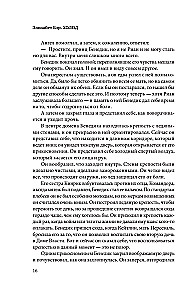
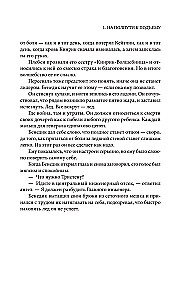
«Cold» — is a science fiction novel about Captain Perseval, who tries to maintain order on the world-ship after a disaster and a war. Elizabeth Bear's novel occupies a prominent place in modern space science fiction: not only technologies and the structure of the huge generation ship are important here, but also power, family ties, trauma, religion, and the price of decisions that determine the common future. This is the second book in the Jacob's Ladder trilogy, continuing the grand story of a closed world where the surviving ship has become humanity's only possible reality. In terms of scale and attention to the structure of the fictional environment, the novel can be placed alongside the works of Iain M. Banks and Dan Simmons. At the same time, Elizabeth Bear bets not on dry technology, but on the people who live within this complex system and test it every day for strength.
About the book
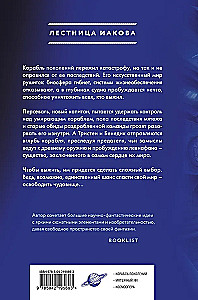
After the explosion of a new star, the ship Jacob's Ladder sustains heavy damage and drifts into the unknown. A fragile order is maintained aboard, but the war is not over, and the aftermath of a recent rebellion continues to fracture the community. The new captain tries to retain control and cope with the aftermath while a dangerous hunt for a traitor ignites at various levels of the ship.
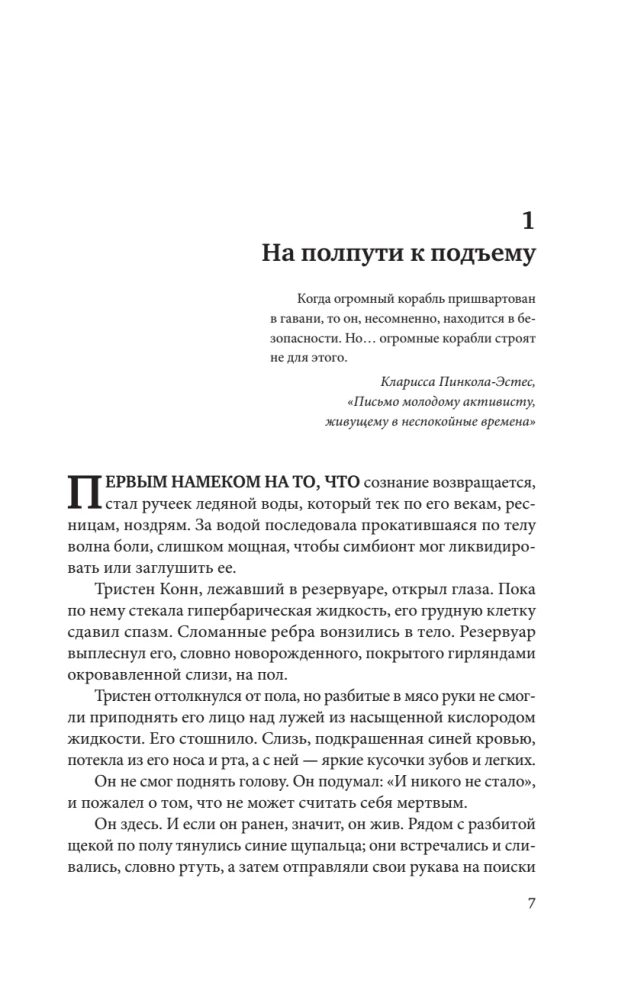
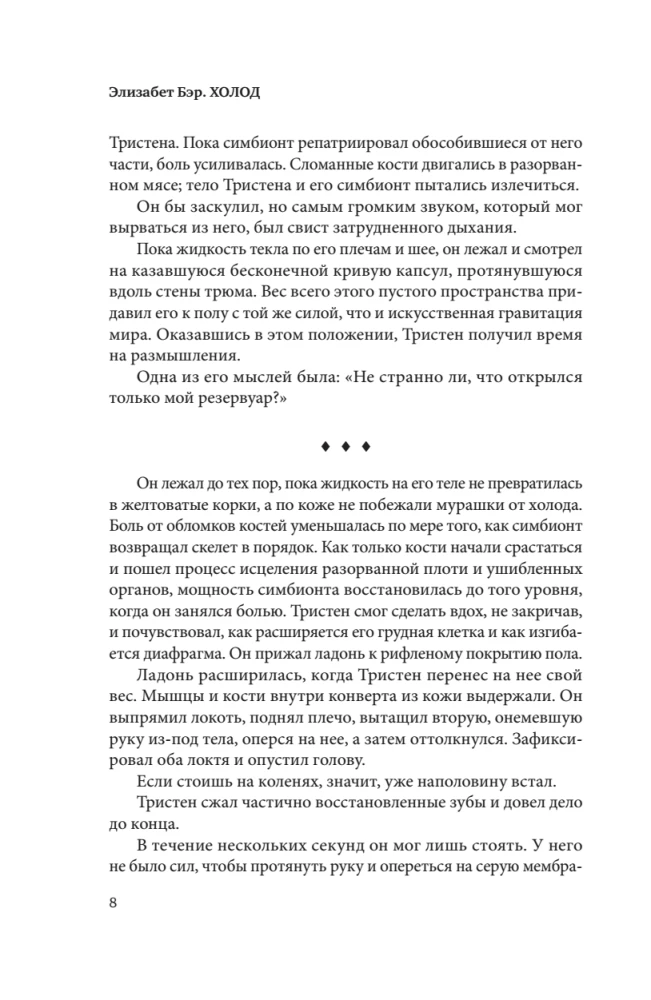
Tristen and Benedict move through compartments where the systems themselves begin to change and restructure unexpectedly. The space that was supposed to obey the logic of the machine becomes unpredictable and, at times, deadly. Against this backdrop, the intrigues of House Conn, the mysteries of the ship's creators, and the influence of the order of navigator priests come to the forefront. The story combines the scale of a space opera with personal conflict, political struggle, and the question of what matters more for survival: control, loyalty, or the willingness to reconsider old rules.
About the author
Elizabeth Bear — is an American writer working in science fiction and fantasy. She was born in 1971 in Hartford, Connecticut. Among her awards are the Hugo, Locus, Theodore Sturgeon Award, and Astounding/John W. Campbell for Best New Writer.
In addition to the Jacob's Ladder series, she is known for the White Space trilogy, the novel Ancestral Night, as well as the books Dust and Hammered. Her prose is appreciated for its complex world-building, major fantastic ideas, and attention to ethical issues always related to the personal choices of the characters.
Main characters
- Perseval Conn — the new captain of the ship and a representative of House Conn. Her decisions determine not only leadership but also whether the community can survive the aftermath of the disaster and internal division.
- Tristen Conn — a participant in the dangerous hunt for the traitor. His storyline is tied to military confrontation and the struggle for power balance aboard.
- Benedict Conn — Tristen's ally in the chase across the changing ship. Through his actions, the story reveals hidden threats and technological failures affecting the lives of all inhabitants.
- Arianrhod — an opponent of House Conn, connected with the rebellion and the search for powerful weapons. Her actions heighten tensions and exacerbate the internal confrontation aboard the ship.
Why the book will be interesting
This novel will appeal to those who seek not just a story about space, but a substantial narrative about survival within a closed world, where any malfunction becomes a political problem, and personal trauma influences the fate of an entire society. Here, family conflicts, struggles for power, religious structures, and changing technologies that cease to be a neutral background are important.
«Cold» will be particularly interesting to readers who enjoy the works of Dan Simmons, Iain M. Banks, and Ann Leckie. Like these authors, it features scale, a meticulously built world, and a serious discussion about responsibility. At the same time, the narrative relies not only on ideas but also on plot movement: chase, hidden threats, an unstable control system, old grievances, and new decisions working together.
This is the second part of the series, so it's better to read it after «Ashes»: this way, the connections between characters, the reasons for conflicts, and the significance of recent events become clearer. «The ship here is not a decoration, but a whole world». «Survival requires not strength, but difficult choices».
Populārakas














“Eksmo” izdevniecība iesaka