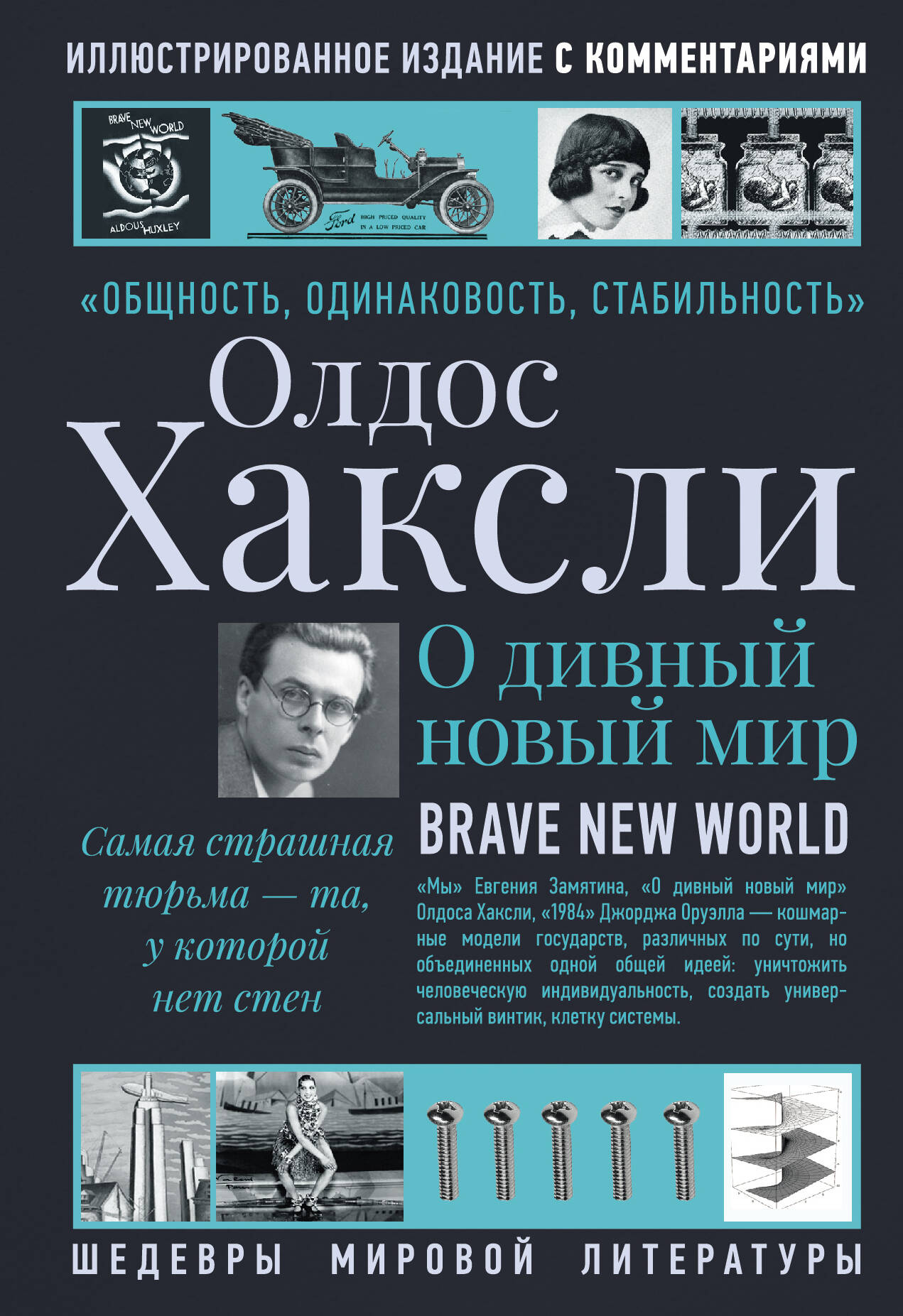
О дивный новый мир
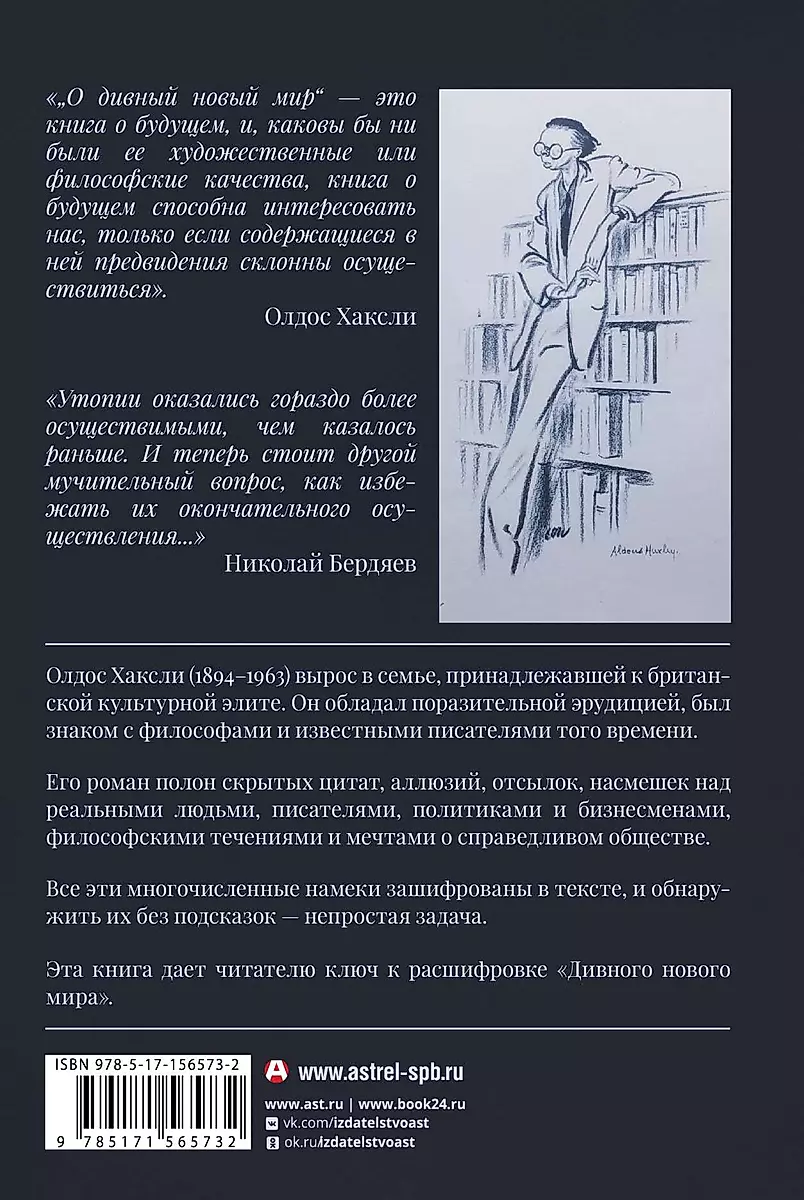
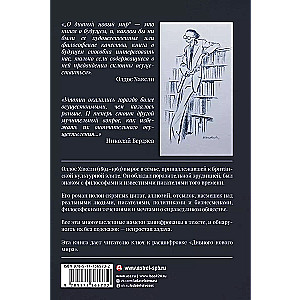
Aldous Huxley grew up in a family that belonged to the British cultural elite. He possessed remarkable erudition, spoke French and German fluently, and was familiar with the philosophers and famous writers of his time. His novel is full of...
hidden quotes, allusions, references, and mockery of real people, writers, politicians, and businessmen, philosophical movements and dreams of a just society. All these mockeries are encoded in the text, and discovering them without hints is no easy task. Most will not notice them, and thus will lose half the pleasure of reading the novel. This book gives the reader the key to deciphering "Brave New World." Almost all names and surnames in the novel are "speaking," and their combination is the author's original satirical device. The geographical names are not chosen by chance, and there are more than forty quotes from Shakespeare in the text. And not only quotes — the entire play "The Tempest" by Shakespeare is, in fact, encoded in the novel. Huxley does not turn to Shakespeare alone. Thomas Eliot, Thomas Gray, D.H. Lawrence, and Bertrand Russell — this is an incomplete list of authors whose names are mentioned in the comments. Additionally, Huxley uses the discoveries of scientists and their predictions to create a synthetic picture of the future that seems alarmingly convincing. In the early 20th century, when everyone was thrilled by the upcoming gifts of technical progress, Aldous Huxley saw assembly line girls working and was horrified. He suggested to his readers to look around and ask themselves: how much are they willing to give for the dubious gifts of technical progress. And also to look a little closer and see the walls of the invisible prison that they had not noticed before. "For nothing is given for free," asserted Aldous Huxley.
Autorius: HAKSLI O.
Publisher: AST
Serija: Pasaulio literatūros šedevrai
Amžiaus ribos: 16+
Išleidimo metai: 2024
ISBN: 9785171565732
Puslapių skaičius: 352
Dydis: 219x140x24 mm
Viršelio tipas: tverdaja
Svoris: 443 g
ID: 1671877
Išparduota
€ 15.59
Išparduota
€ 15.59
Bestsellers



Bestseleris
€ 12.19
Yra sandėlyje
Kanashibari. Kol paskutinė lempa išsijungs. 1 tomas
Angelina Šen, Veronika Šen








€ 9.99
Yra sandėlyje
Leidėjas "AST" rekomenduoja





Bestseleris
€ 18.79
Yra sandėlyje
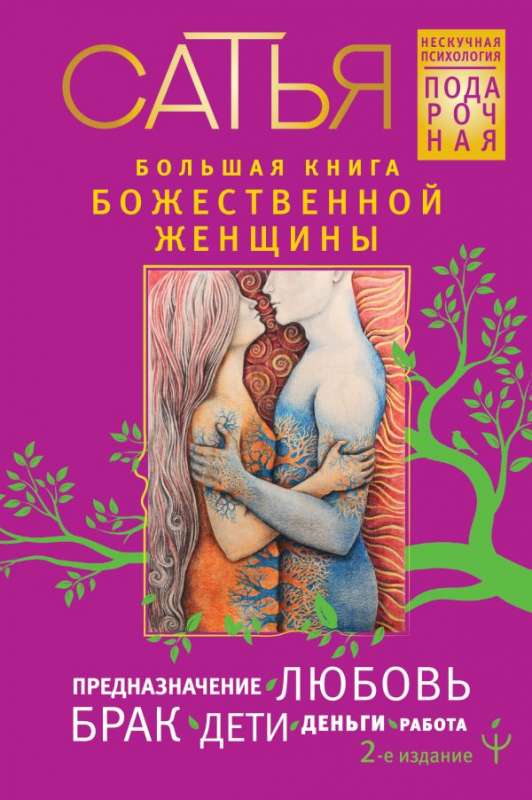
Большая книга божественной женщины. Предназначение, любовь, брак, дети, деньги, работа. 2-е издание
SATJa DAS