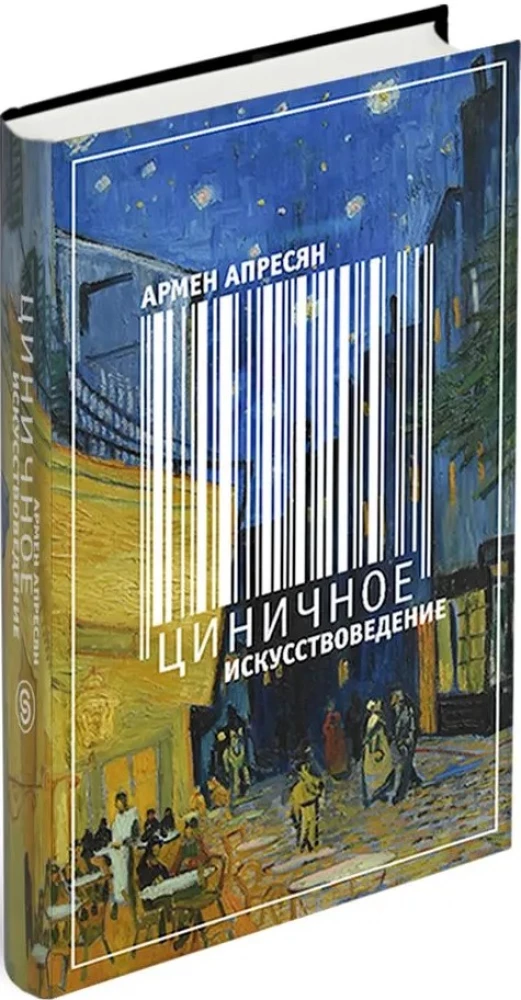
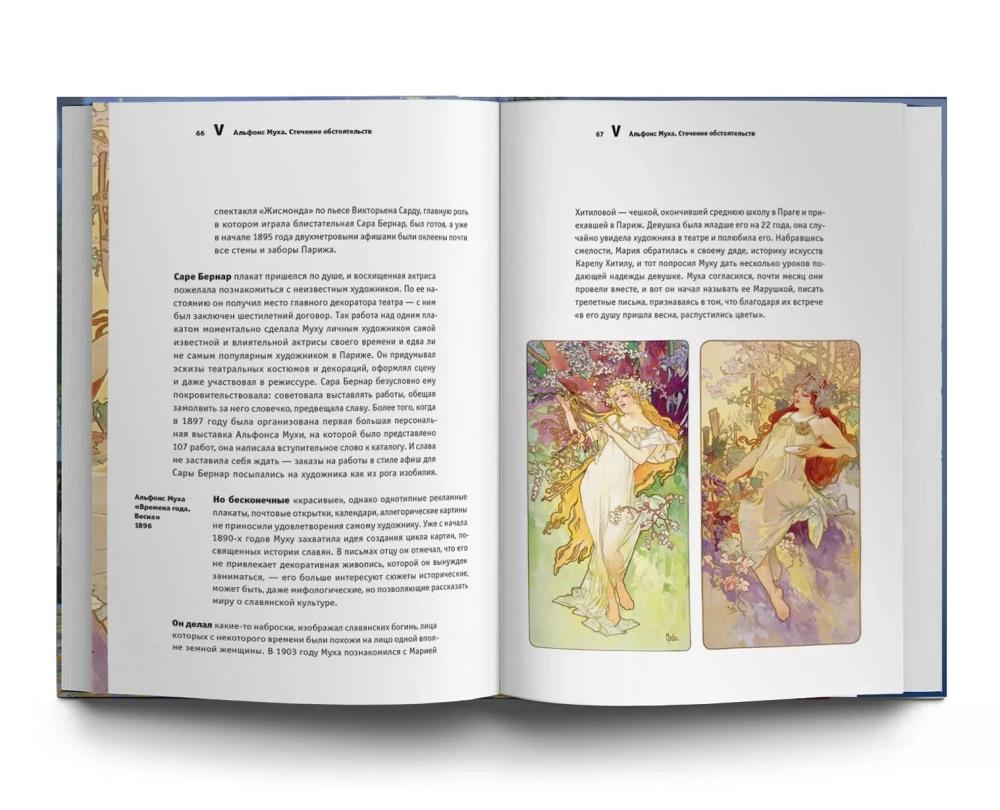
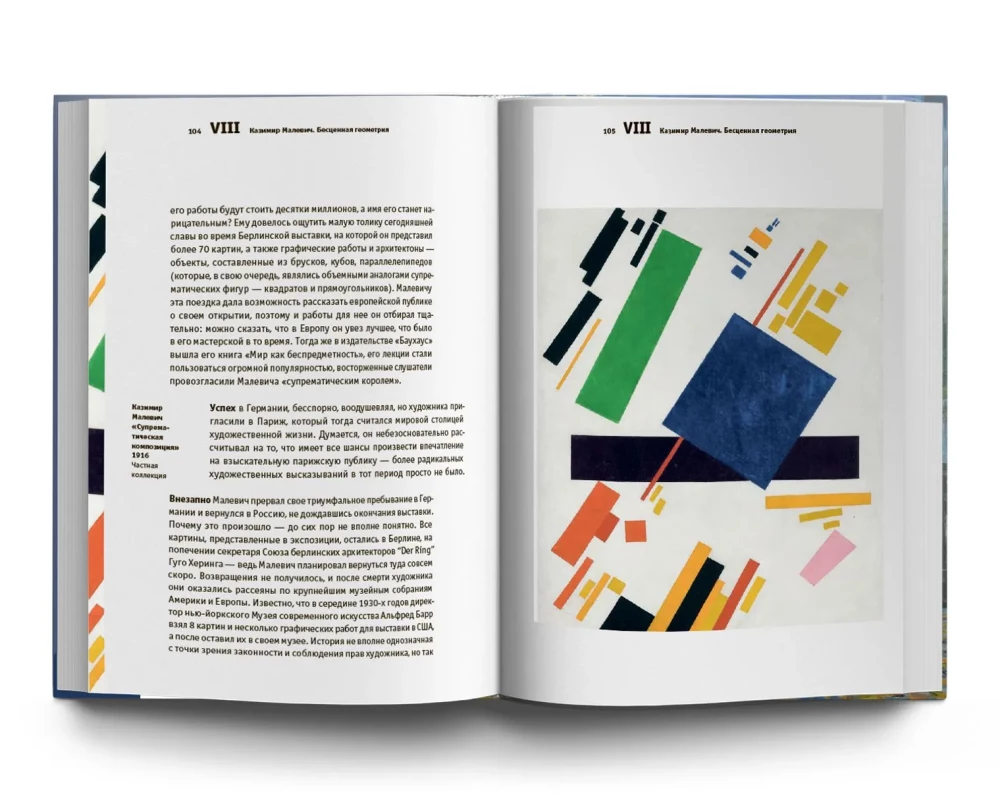
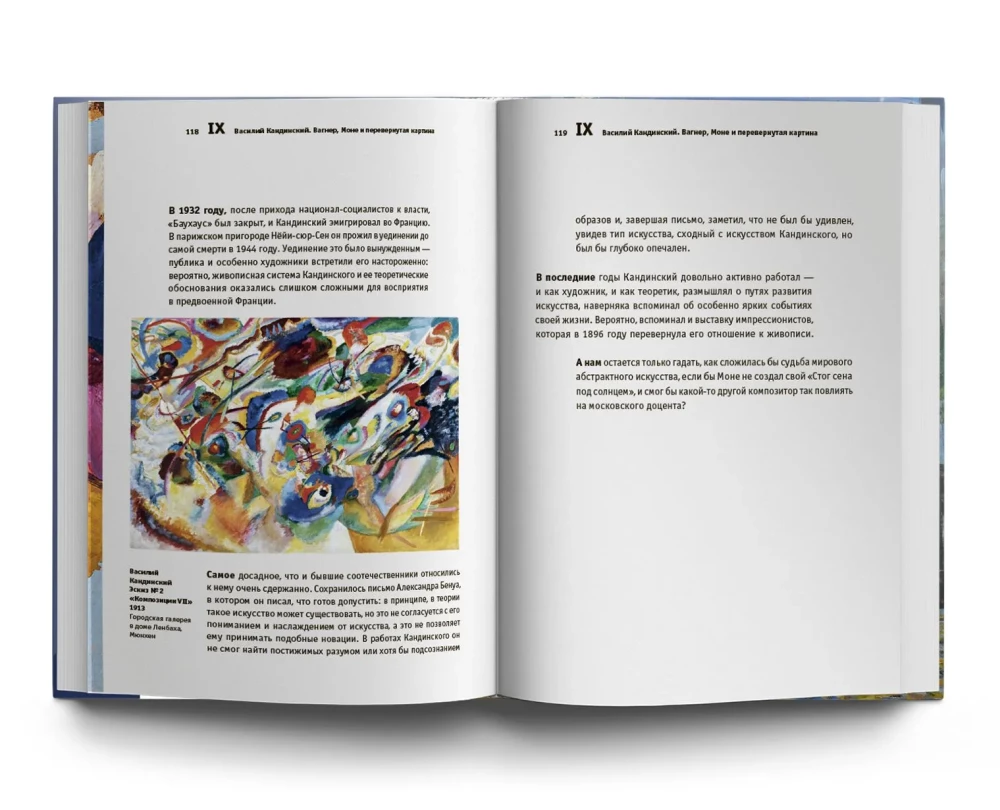
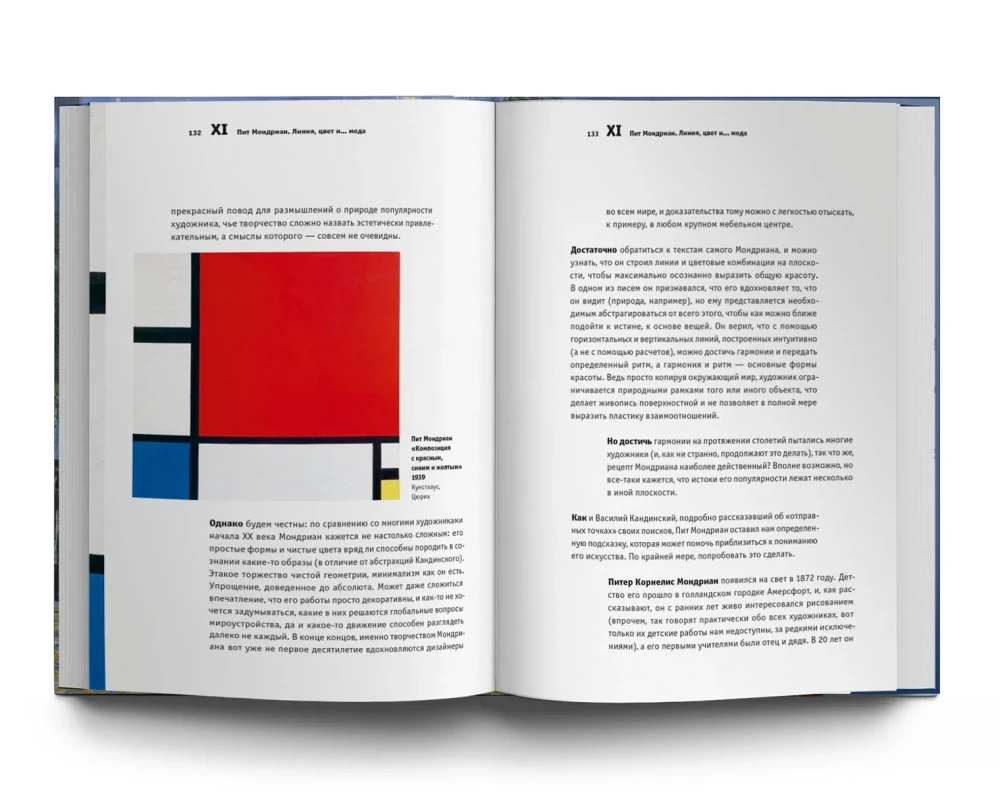
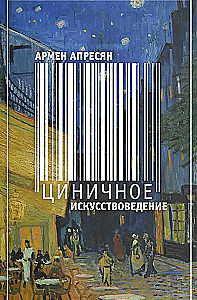
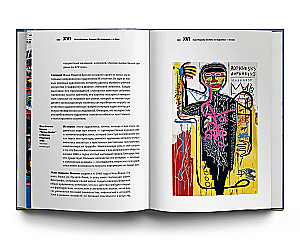
Циничное искусствоведение
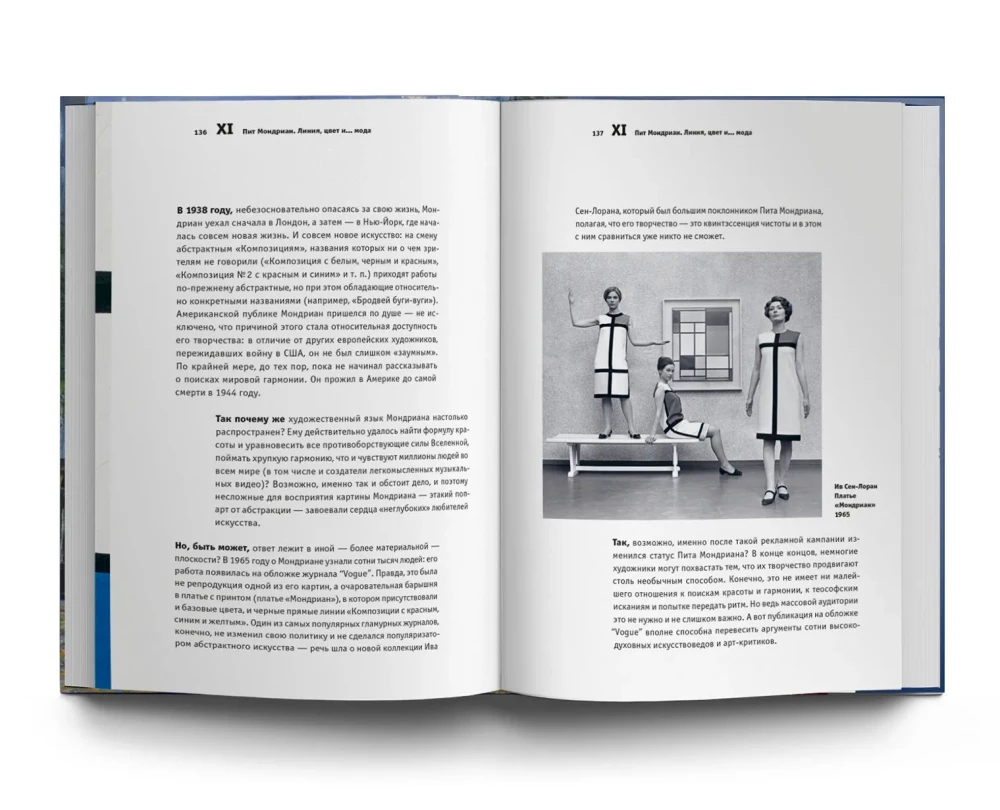
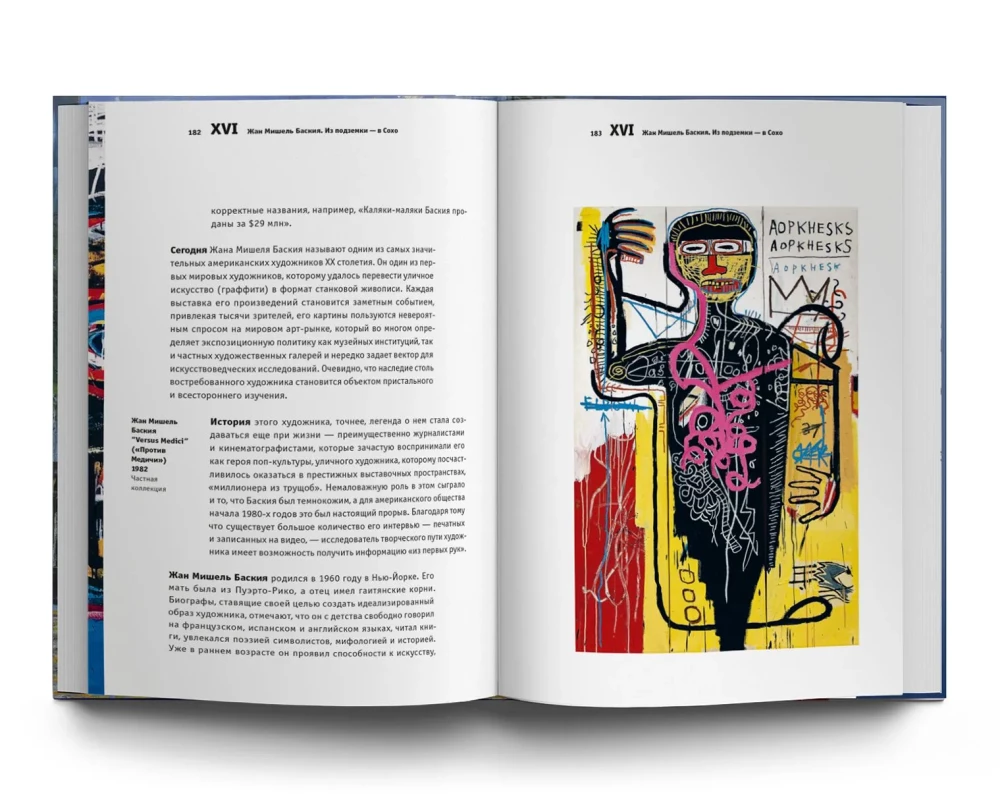
Renowned art historian, associate professor of the Department of Aesthetics at the Faculty of Philosophy of Lomonosov Moscow State University and head of the program "Management in Art Business" at the School of Design of RANEPA, Armen Apresyan invites the...
reader on a historical journey through the world of art from the 19th century to the present day, trying to find – sometimes quite unexpected – answers to questions posed by both amateurs and specialists.
It often happens that a work of art initially evokes mockery from contemporaries, but then is recognized as a masterpiece, and its creator becomes a world-renowned artist.
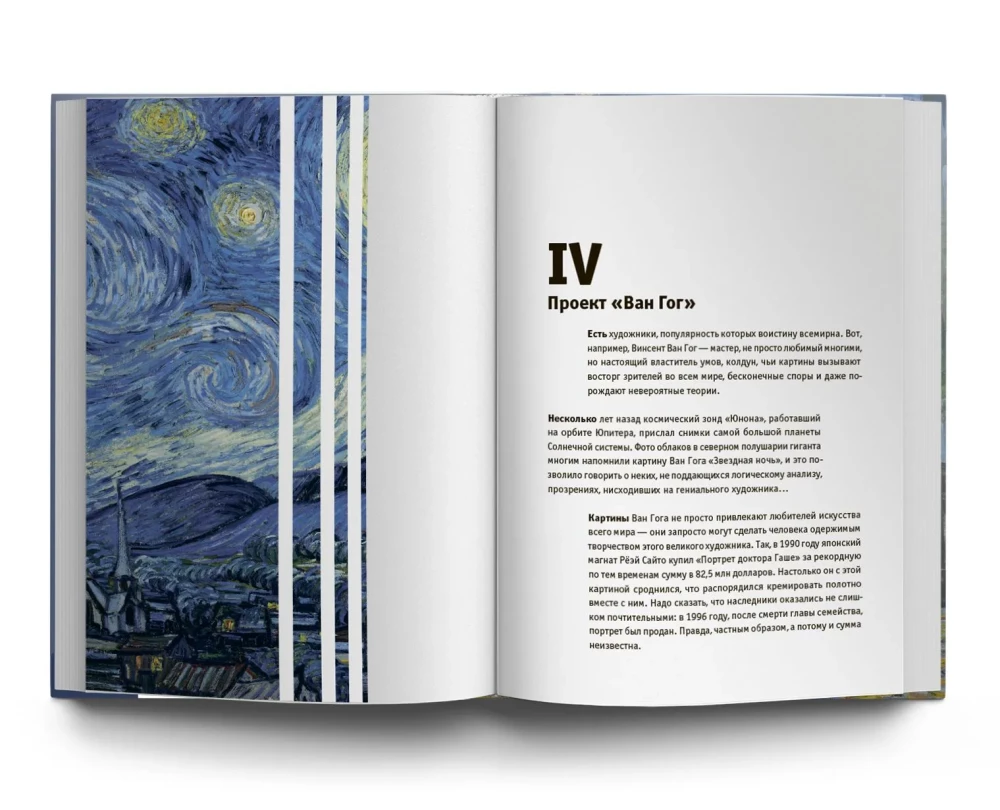
What influences this: the fate of the author, the whims of the public, the evaluations of critics, or the laws of the art market? Why, for example, was Vincent van Gogh despised during his lifetime but is today one of the most revered artists, while Marcel Duchamp's "Fountain" tops the list of works that have had the most significant impact on the development of world art, and collectors are willing to pay more for an Andy Warhol print than for unique works by Pablo Picasso or Henri Matisse?
Armen Apresyan is a candidate of philosophical sciences, associate professor at Lomonosov Moscow State University, and author of a series of popular lectures on art. He has worked at private art galleries, internet projects, and on television at various times. He is an expert on art market issues and an auctioneer. He is the author of the book "Fascinating Stories About Russian Artists" (2019) and numerous articles about art in mass periodicals.
It often happens that a work of art initially evokes mockery from contemporaries, but then is recognized as a masterpiece, and its creator becomes a world-renowned artist.
What influences this: the fate of the author, the whims of the public, the evaluations of critics, or the laws of the art market? Why, for example, was Vincent van Gogh despised during his lifetime but is today one of the most revered artists, while Marcel Duchamp's "Fountain" tops the list of works that have had the most significant impact on the development of world art, and collectors are willing to pay more for an Andy Warhol print than for unique works by Pablo Picasso or Henri Matisse?
Armen Apresyan is a candidate of philosophical sciences, associate professor at Lomonosov Moscow State University, and author of a series of popular lectures on art. He has worked at private art galleries, internet projects, and on television at various times. He is an expert on art market issues and an auctioneer. He is the author of the book "Fascinating Stories About Russian Artists" (2019) and numerous articles about art in mass periodicals.
Autor: Армен Апресян
Väljaandja: Slovo
Vanusepiirangud: 16+
avaldamise aasta: 2025
ISBN: 9785387020537
lehekülgede arv: 232
Suurus: 220х163х22 mm
Kaanetüüp: Hard
Kaal: 680 g
ID: 1744450
Välja müüdud
€ 38.99
Välja müüdud
€ 38.99
Bestsellers



Bestseller
€ 14.99
Laos
Enesele õrnalt. Raamat sellest, kuidas end väärtustada ja hoida
Ольга Примаченко

€ 13.29
Laos
12 nädalat aastas. Kuidas 12 nädalaga saavutada rohkem, kui teised jõuavad 12 kuuga
Майкл Леннингтон, Брайан Моран