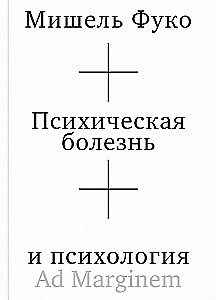
Психическая болезнь и психология
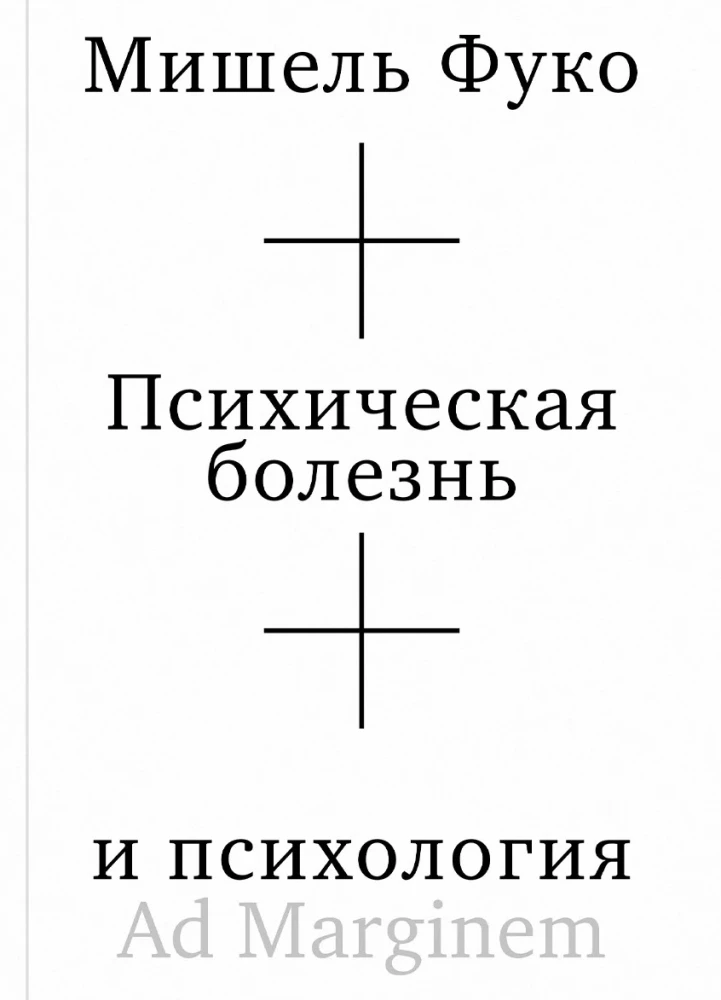
«Mental Illness and Psychology» (1962) is a corrected and supplemented version of Foucault's earlier essay (1954), equipped with the main theses of his doctoral dissertation «The History of Madness in the Classical Age» defended a year earlier. This book allows...
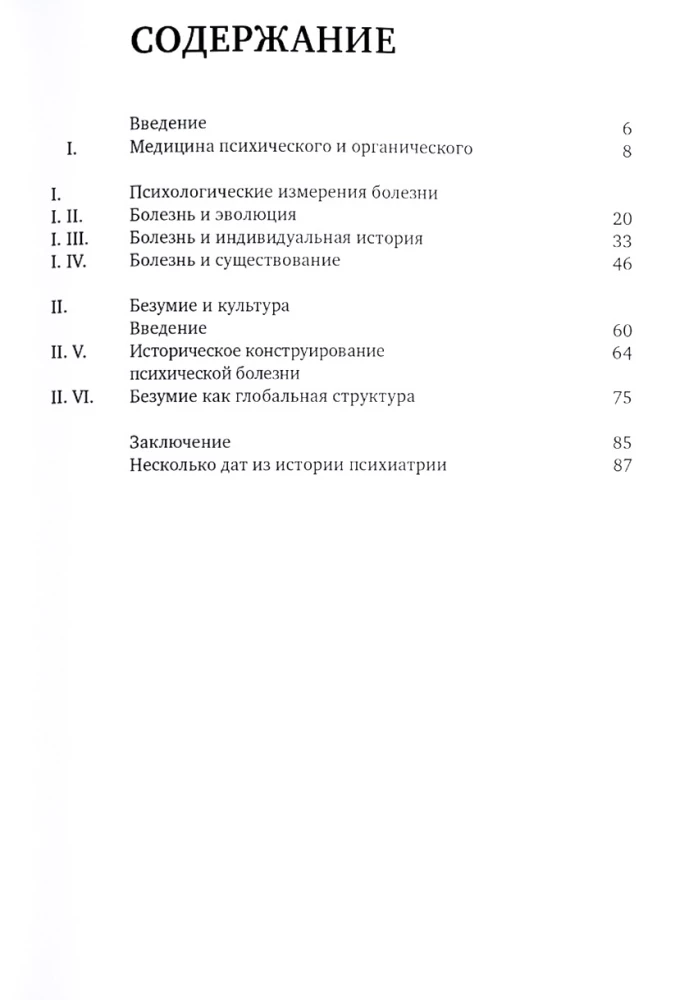
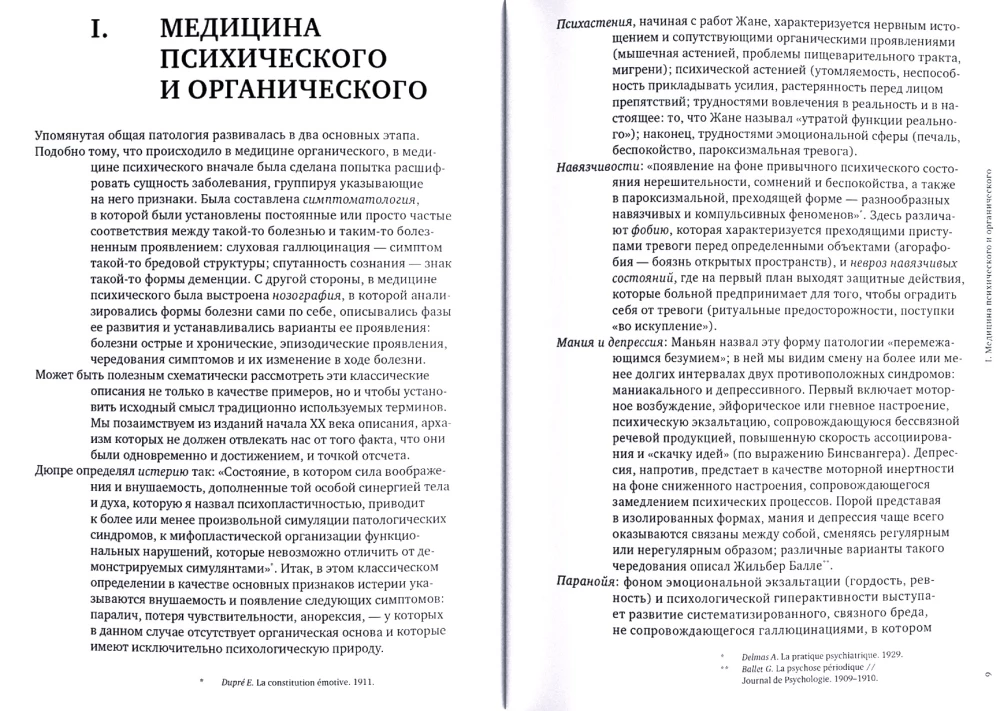
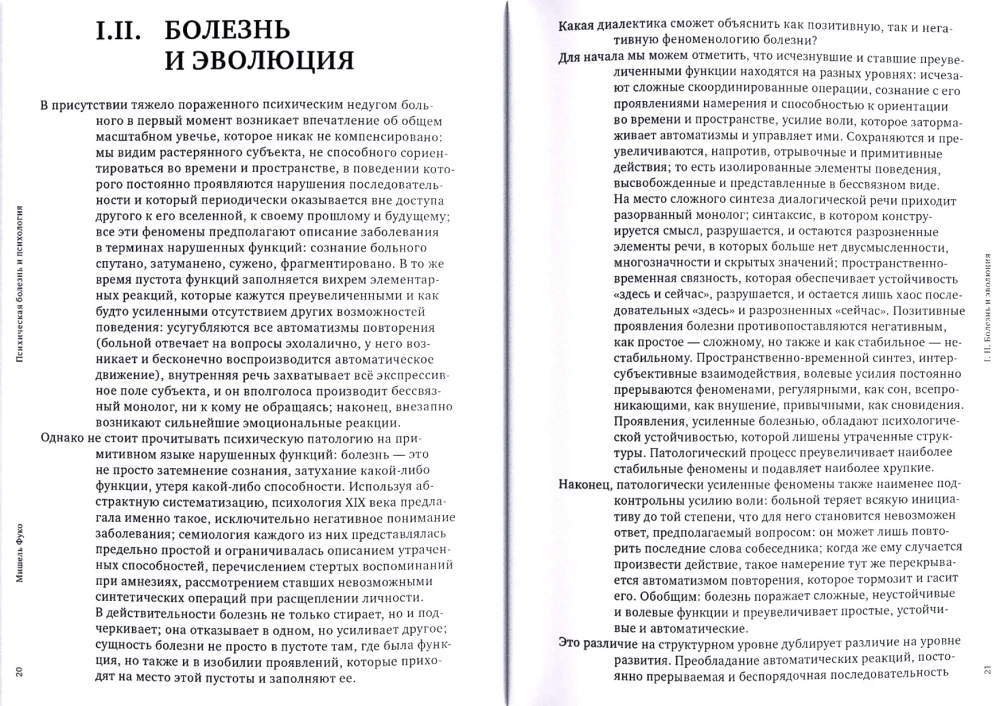
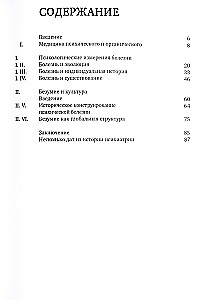
us to trace the emergence and evolution of Foucault's original ideas — through a sequential critical examination of concepts of madness inherent in physiology, psychoanalysis, existential psychology, and anti-psychiatry. Here he attempts to refute one of the classical statements in the history of psychology, according to which the emergence of psychiatric medicine would have freed the «mad». The philosopher, on the contrary, demonstrates that the true alienation of madness should be dated to the moment when it began to be designated and treated as an illness. The essay reflects, on the one hand, Foucault's professional experience: working as a prison psychologist and teaching the history of psychology, and on the other hand, his personal experiences of his «marginality» and «abnormality».
Autor: Мишель Фуко
Väljaandja: Ad Marginem
Vanusepiirangud: 16+
avaldamise aasta: 2026
ISBN: 9785908038508
lehekülgede arv: 88
Suurus: 200x145x7 mm
Kaanetüüp: Soft
Kaal: 95 g
ID: 1729017
Välja müüdud
€ 9.99
Välja müüdud
€ 9.99
Bestsellers





Bestseller
€ 14.99
Laos
Enesele õrnalt. Raamat sellest, kuidas end väärtustada ja hoida
Ольга Примаченко

€ 13.29
Laos
12 nädalat aastas. Kuidas 12 nädalaga saavutada rohkem, kui teised jõuavad 12 kuuga
Майкл Леннингтон, Брайан Моран