Jaunums
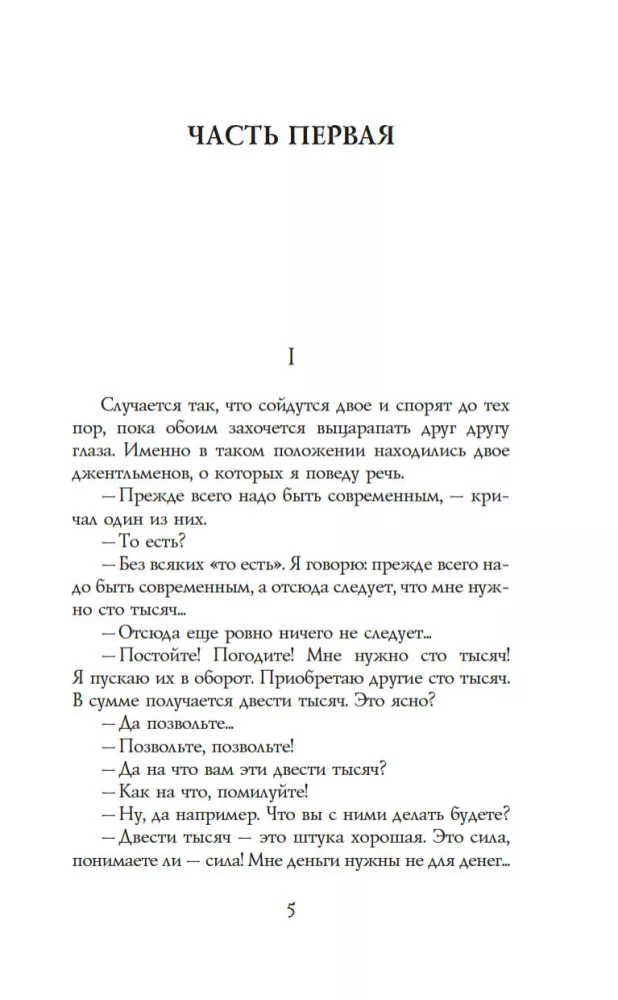
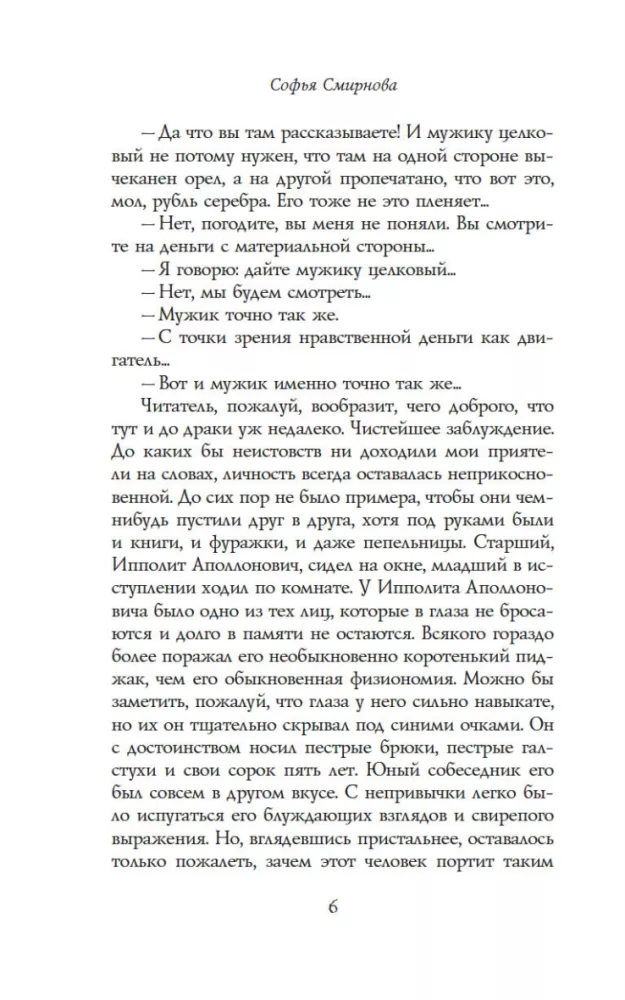
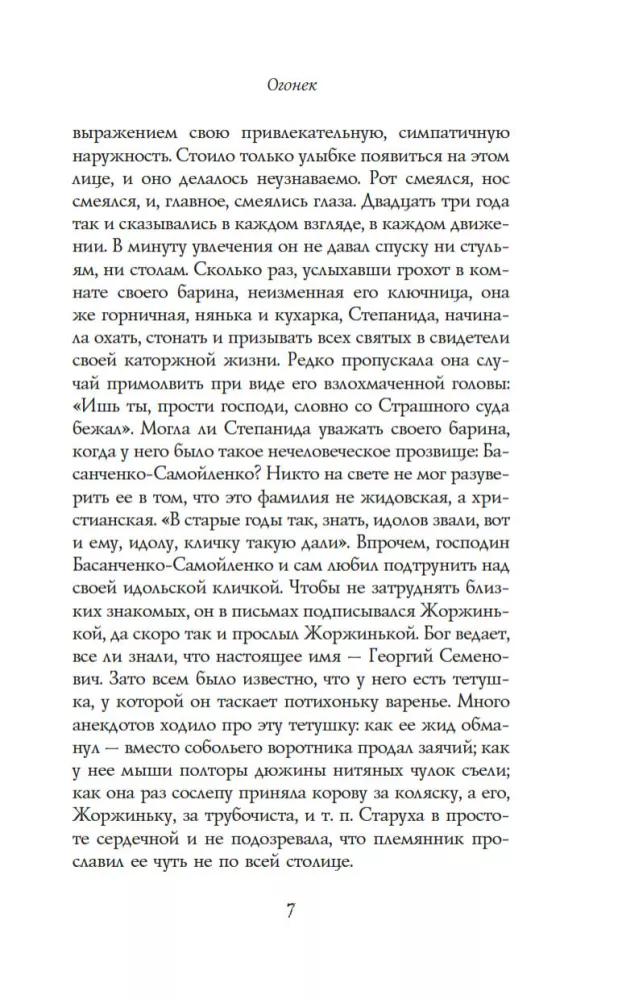
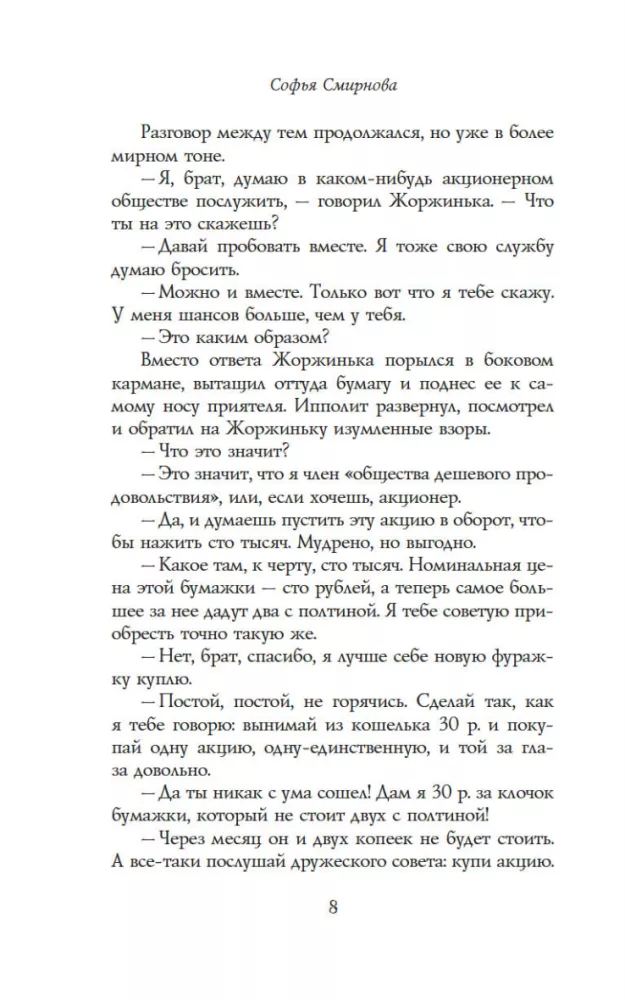
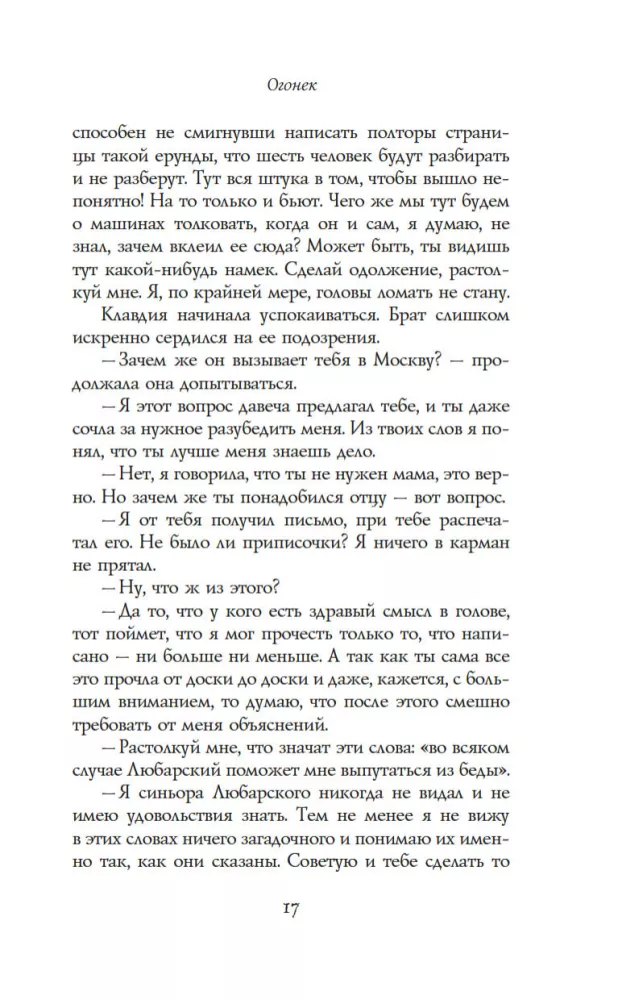
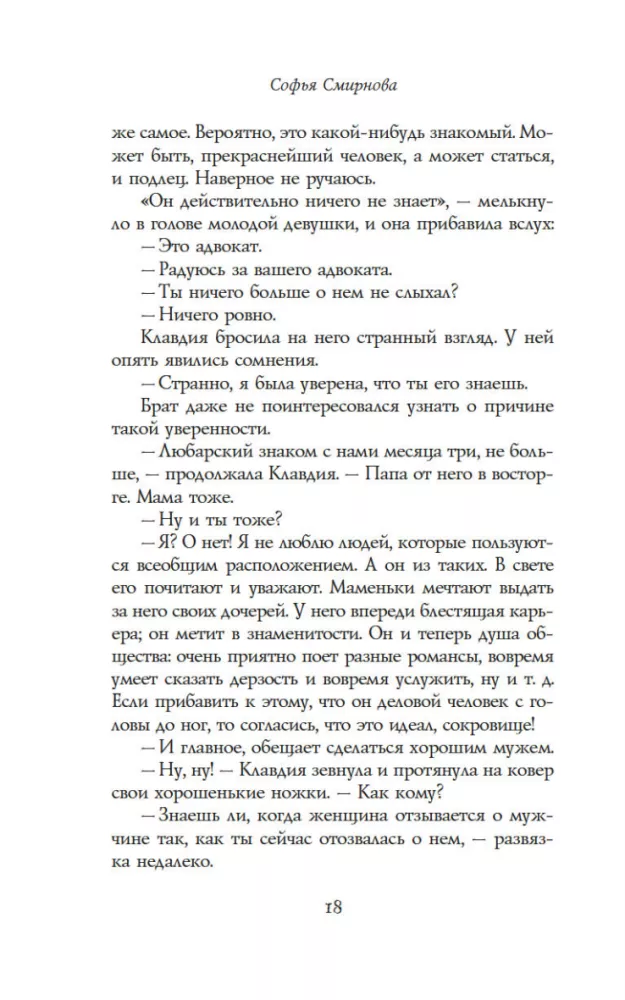
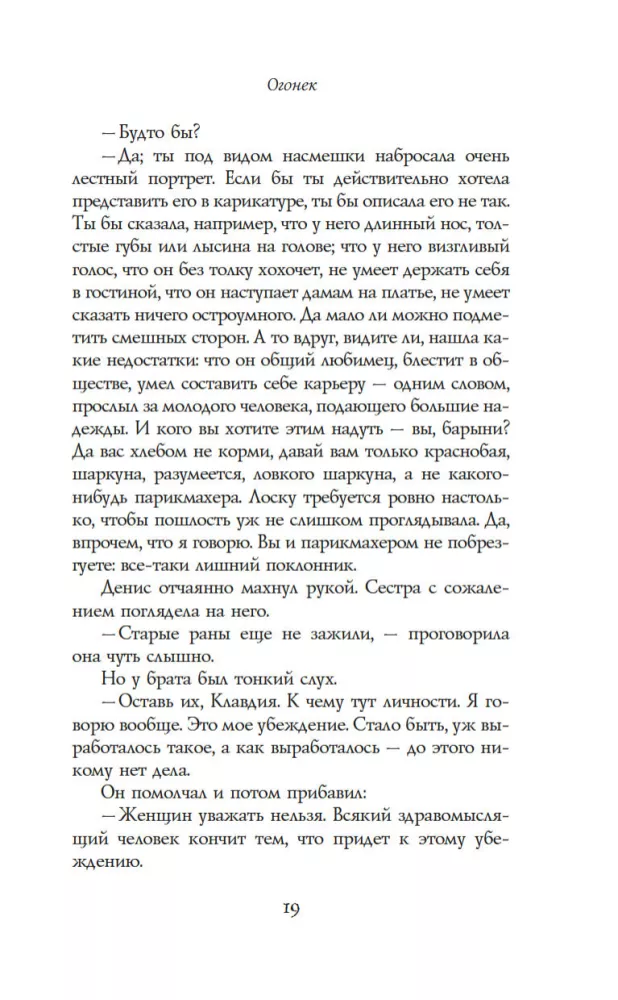
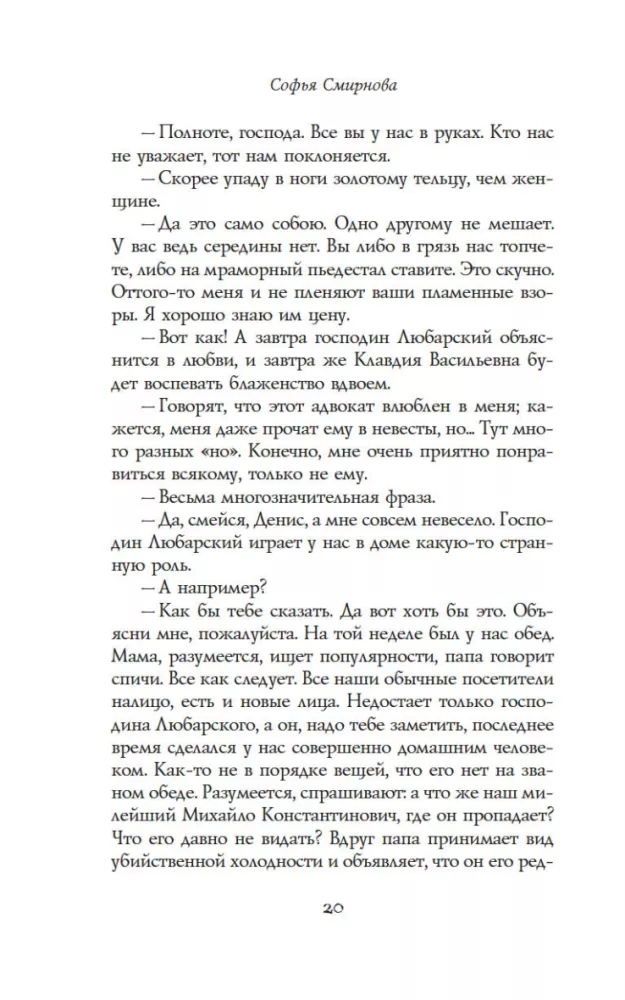
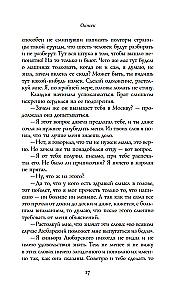
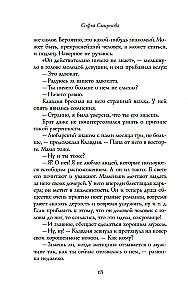
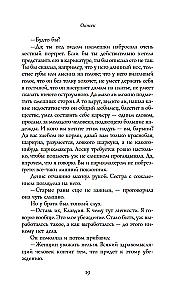
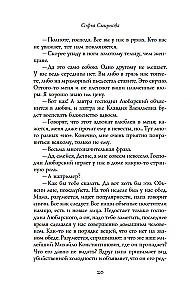
Огонек
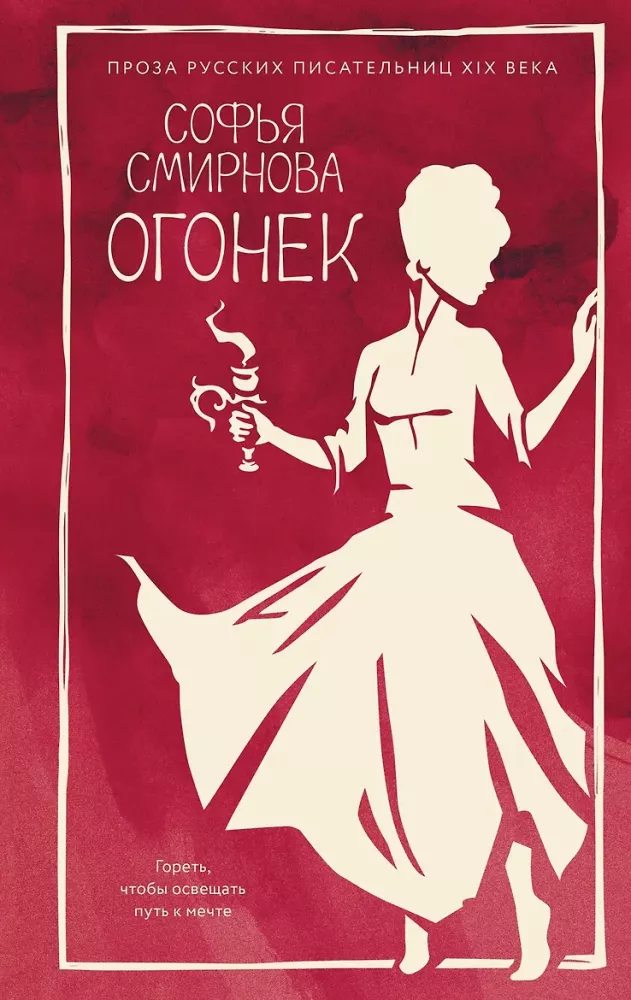
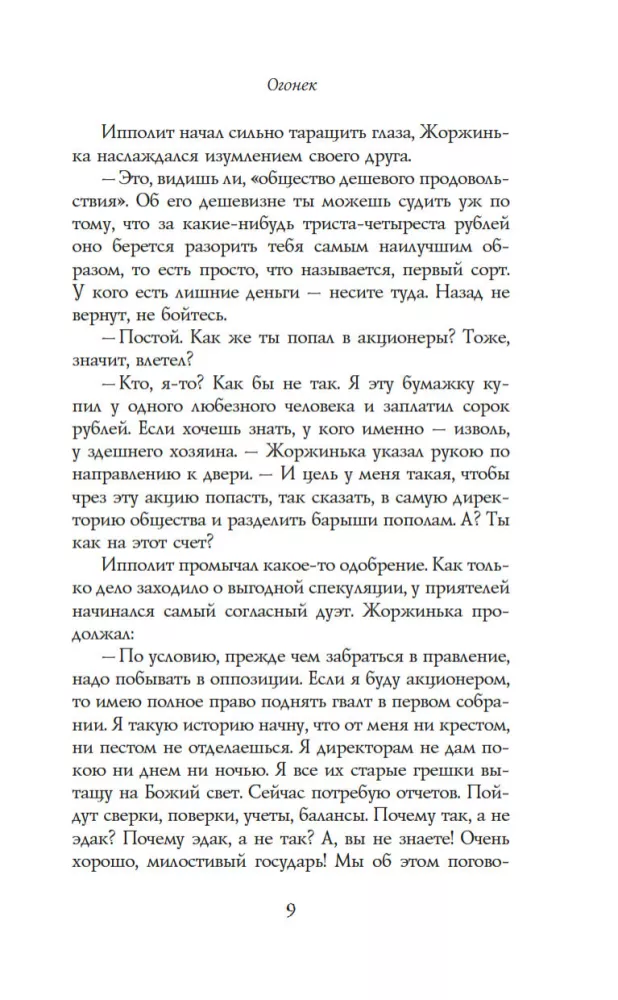
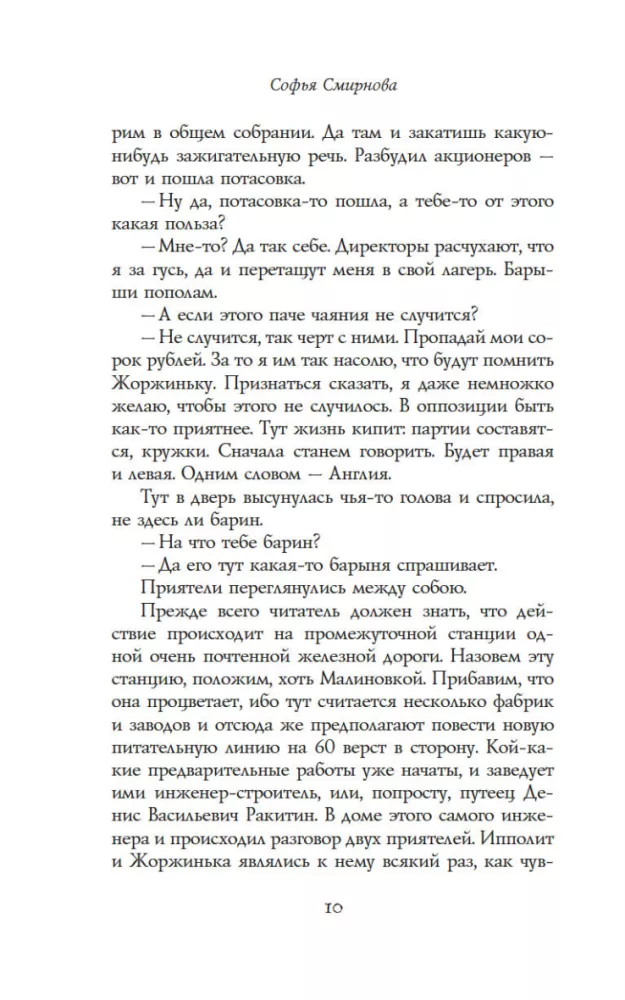
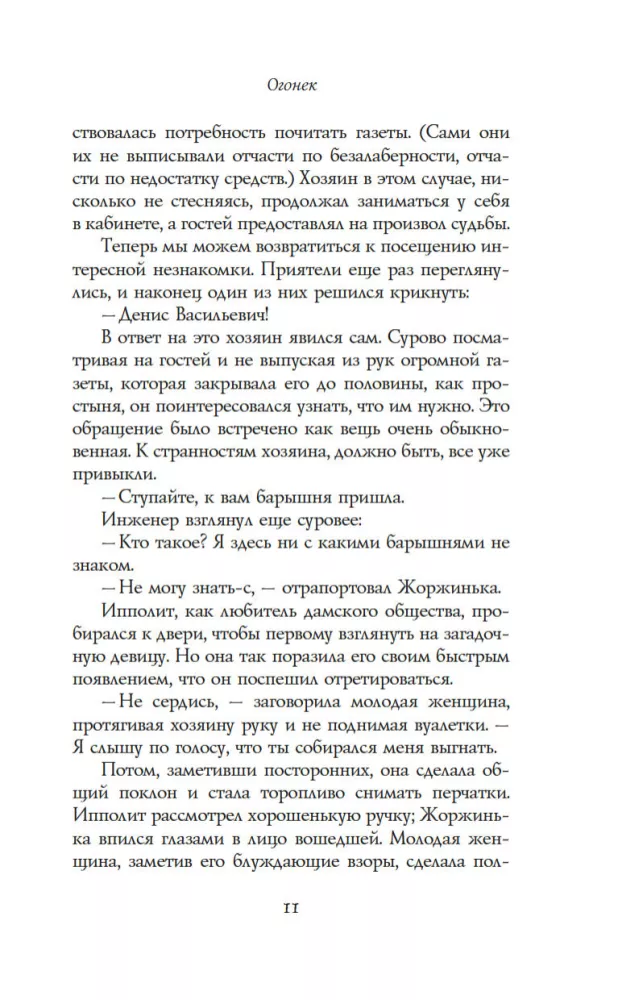
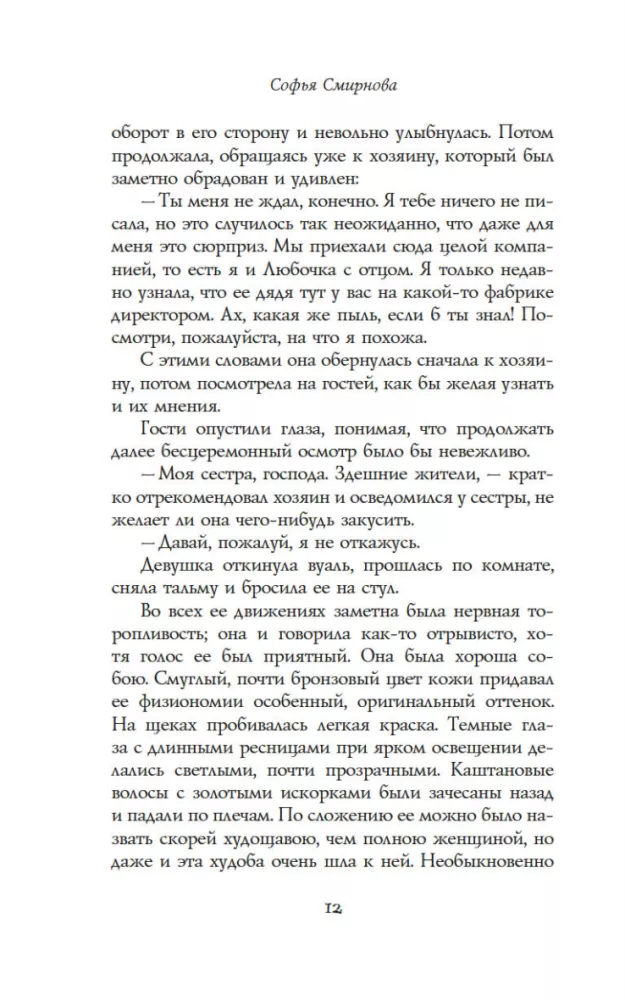
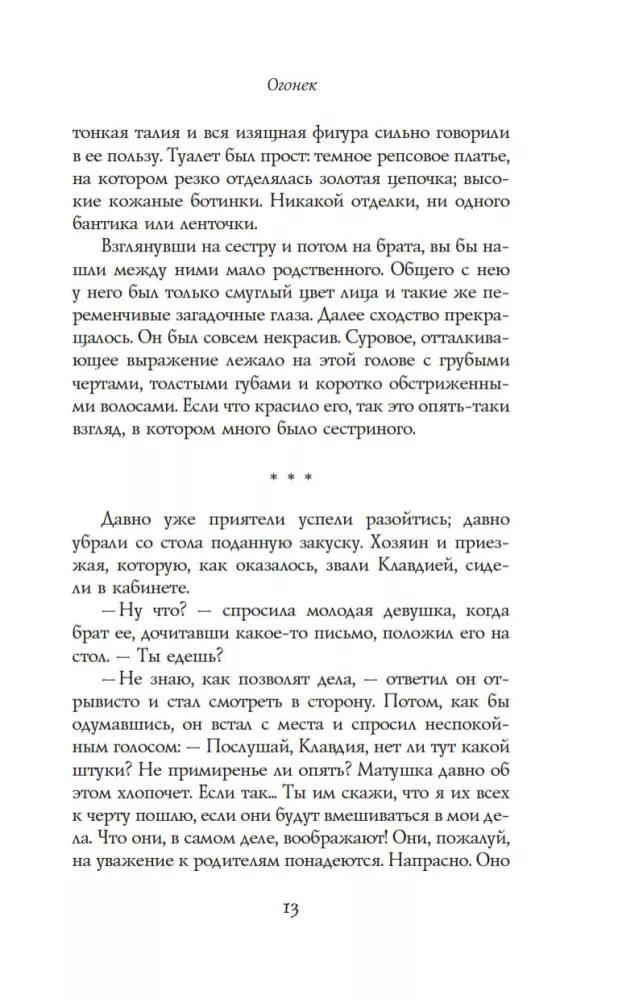
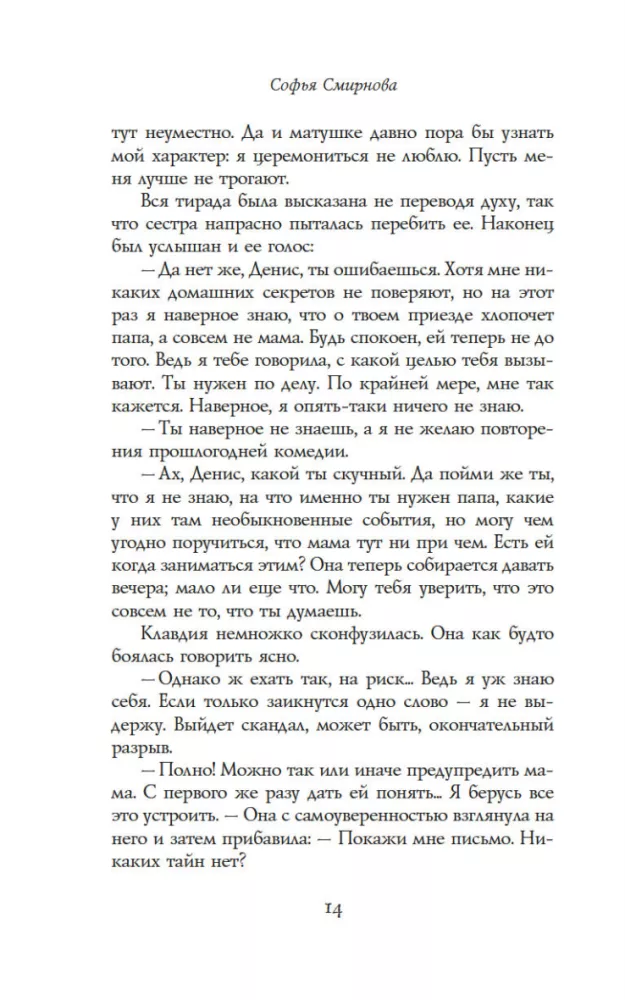
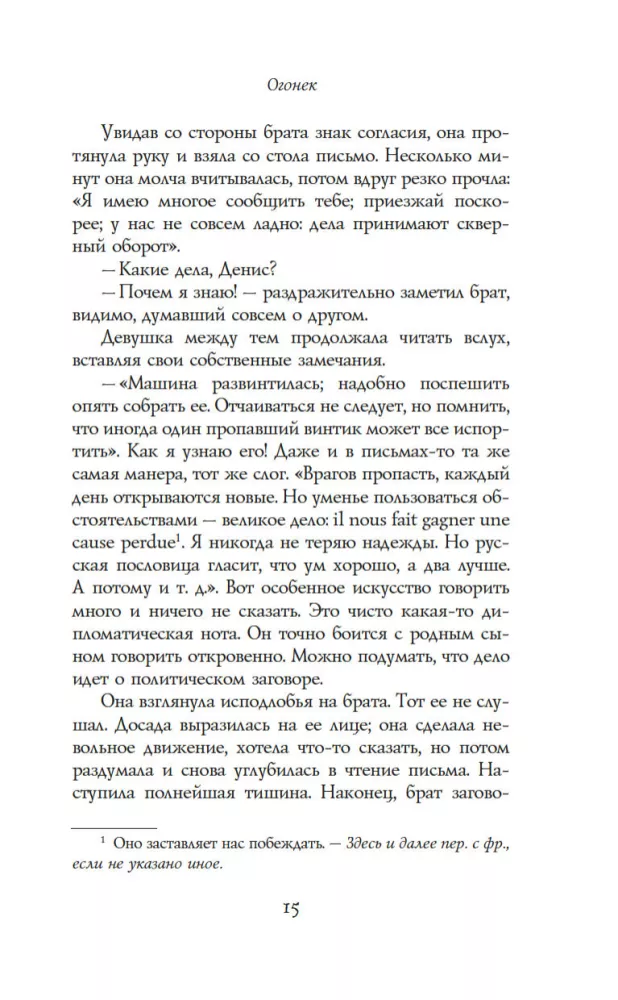
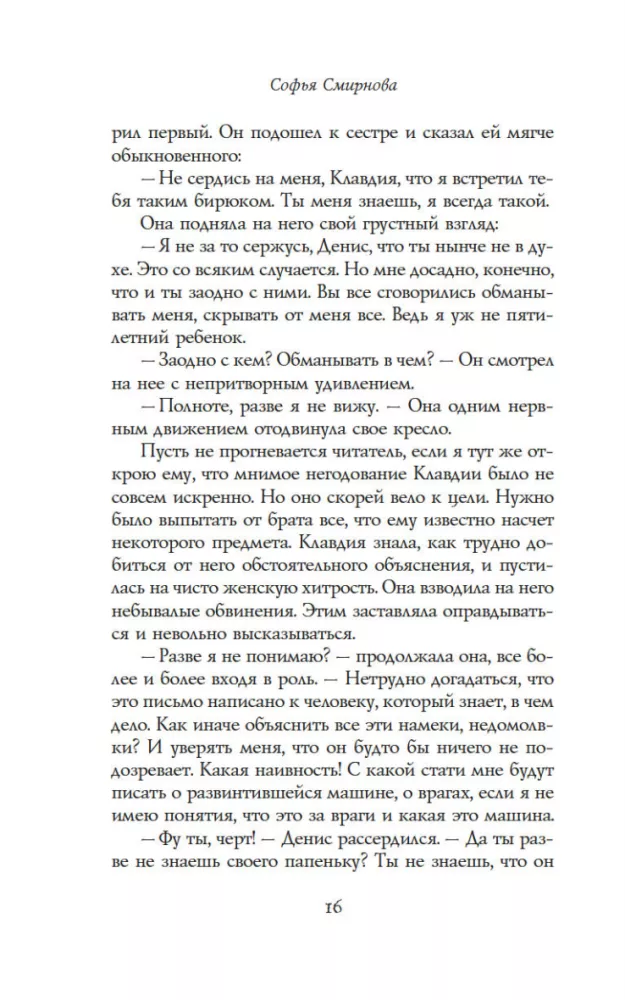
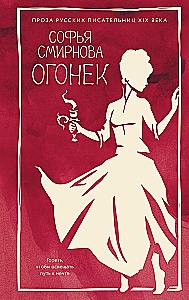
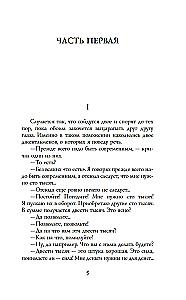
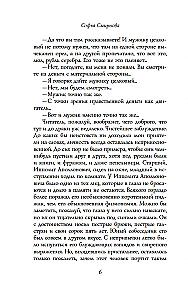
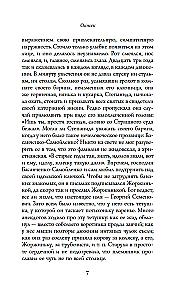
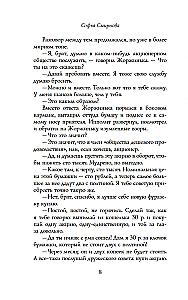
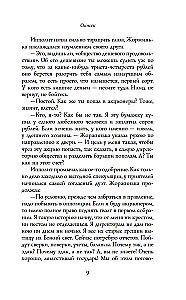
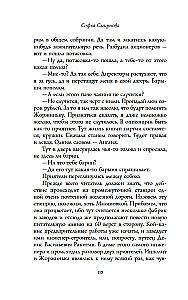
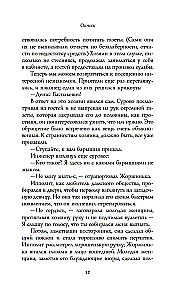
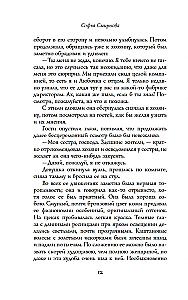
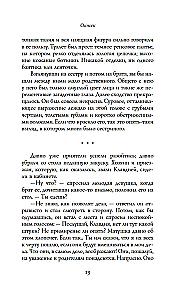
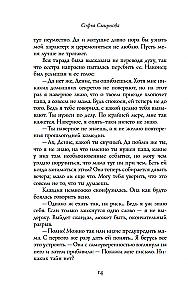
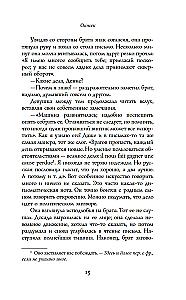
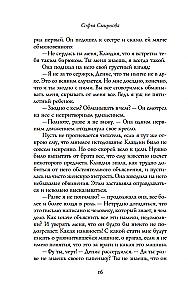
In the 19th century, girls already aspired to independence and resolutely pursued their dreams. "The Little Flame" – a poignant, candid novel about a girl ready to go against patriarchal norms to learn, work, contribute to society, and not depend...
on her parents or a husband.
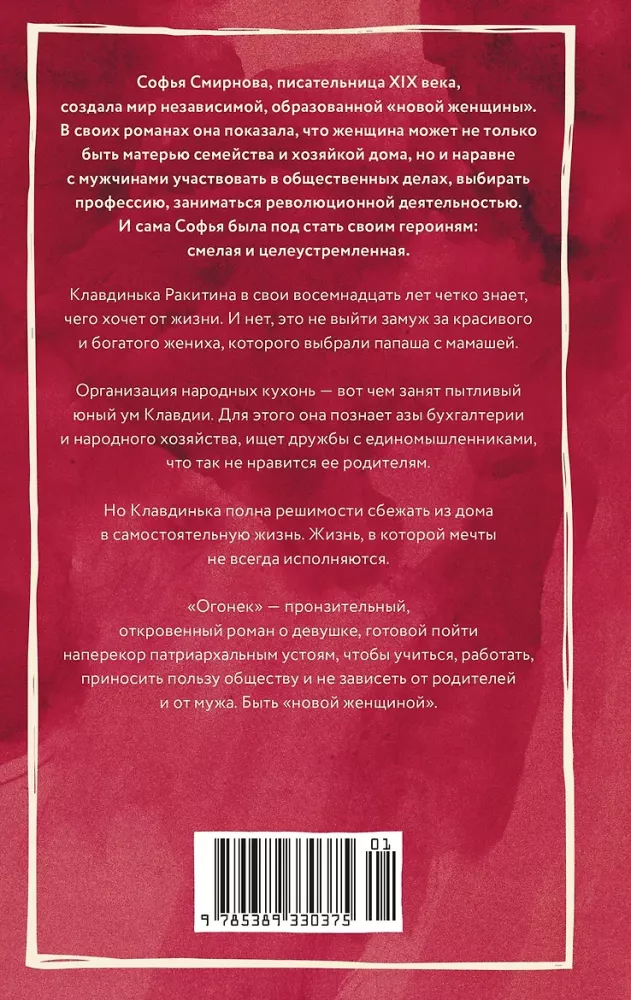
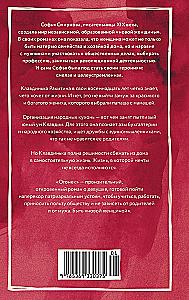
Klavdinka Rakitina, at eighteen, knows exactly what she wants from life. And no, it’s not to marry a handsome and wealthy suitor chosen by her parents.
Organizing communal kitchens – this is what the curious young mind of Klavdia is engaged in. For this, she learns the basics of accounting and national economy, seeking friendship with like-minded people, which her parents strongly dislike.
But Klavdinka is determined to escape home to an independent life. A life where dreams do not always come true.
• Sofia Smirnova, a 19th-century writer, created a world of independent, educated "new woman." In her novels, she demonstrated that a woman can not only be a mother and a housekeeper but also participate in public affairs, choose a profession, and engage in revolutionary activities on par with men. Sofia herself was akin to her heroines: brave and determined.
• The author's magnificent ironic style and the vivid character of the heroine evoke empathy.
• A model of very logical, simple, and reasonable life arrangement: Klavdia is Vera Pavlovna from "What Should We Do?" by Chernyshevsky, but without the populist ideology.
• An unusual, slightly exotic occupation of the heroine with engaging, yet curious details.
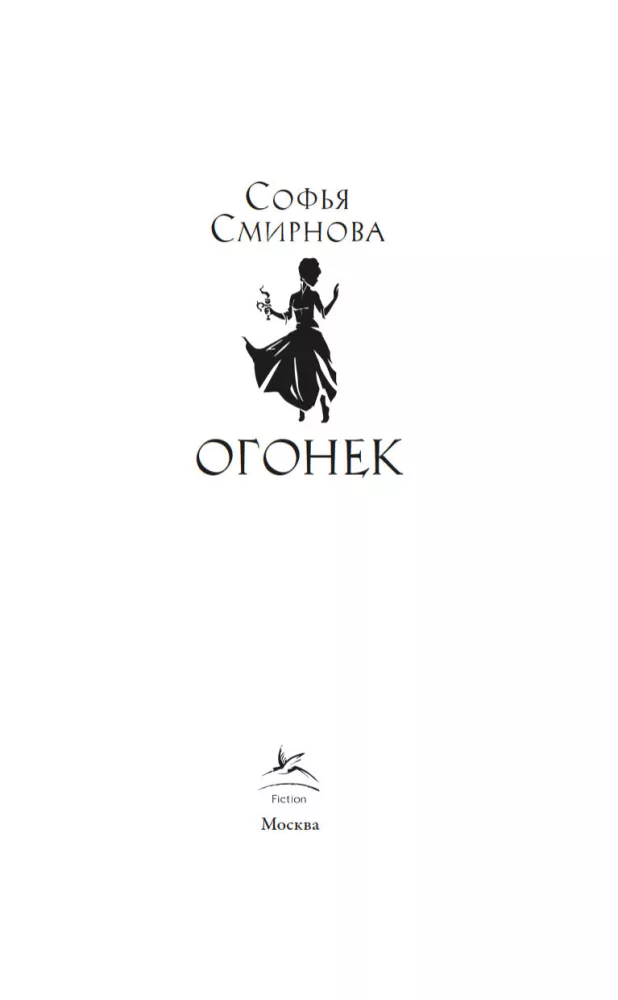
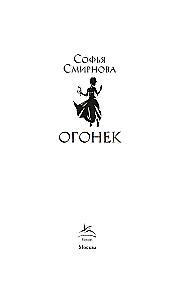
• Elegant classic for the modern girl: a hardcover in a stylish serialized design with sugar powdering. Illustrated endpapers and title page.
The book "The Little Flame" is a novel about an independent educated "new woman," rethinking the role of girls in 19th-century society. Thanks to its stylish modern design, it’s a wonderful gift for 21st-century girls who prefer exclusive classics, historical novels, and Russian literature, as well as readers of such works as "Childhood Memories" and "The Nihilist" by Sofia Kovalevskaya, "What Should We Do?" by Nikolai Chernyshevsky, "Notes of a Cavalry Maiden" by Nadezhda Durova, "The Institute Girls" by Nadezhda Lukhmanova.
Klavdinka Rakitina, at eighteen, knows exactly what she wants from life. And no, it’s not to marry a handsome and wealthy suitor chosen by her parents.
Organizing communal kitchens – this is what the curious young mind of Klavdia is engaged in. For this, she learns the basics of accounting and national economy, seeking friendship with like-minded people, which her parents strongly dislike.
But Klavdinka is determined to escape home to an independent life. A life where dreams do not always come true.
• Sofia Smirnova, a 19th-century writer, created a world of independent, educated "new woman." In her novels, she demonstrated that a woman can not only be a mother and a housekeeper but also participate in public affairs, choose a profession, and engage in revolutionary activities on par with men. Sofia herself was akin to her heroines: brave and determined.
• The author's magnificent ironic style and the vivid character of the heroine evoke empathy.
• A model of very logical, simple, and reasonable life arrangement: Klavdia is Vera Pavlovna from "What Should We Do?" by Chernyshevsky, but without the populist ideology.
• An unusual, slightly exotic occupation of the heroine with engaging, yet curious details.
• Elegant classic for the modern girl: a hardcover in a stylish serialized design with sugar powdering. Illustrated endpapers and title page.
The book "The Little Flame" is a novel about an independent educated "new woman," rethinking the role of girls in 19th-century society. Thanks to its stylish modern design, it’s a wonderful gift for 21st-century girls who prefer exclusive classics, historical novels, and Russian literature, as well as readers of such works as "Childhood Memories" and "The Nihilist" by Sofia Kovalevskaya, "What Should We Do?" by Nikolai Chernyshevsky, "Notes of a Cavalry Maiden" by Nadezhda Durova, "The Institute Girls" by Nadezhda Lukhmanova.
Autors: Sofja Smirnova
Izdevniecība: Azbuka
Sērija: From the Lives of Noble Maidens
Vecuma ierobežojumi: 16+
Izdošanas gads: 2026
ISBN: 9785389330375
Lappušu skaits: 432
Izmērs: 210h130h26 mm
Vāka tips: ciets vāks
Svars: 458 g
ID: 1745196
Ir pie piegādātājiem
Paredzamais piegādes termiņš — līdz 3 nedēļām
€ 14.99
Ir pie piegādātājiem
Paredzamais piegādes termiņš — līdz 3 nedēļām
€ 14.99
Populārakas

Top prece
€ 12.19
Ir uz vietas
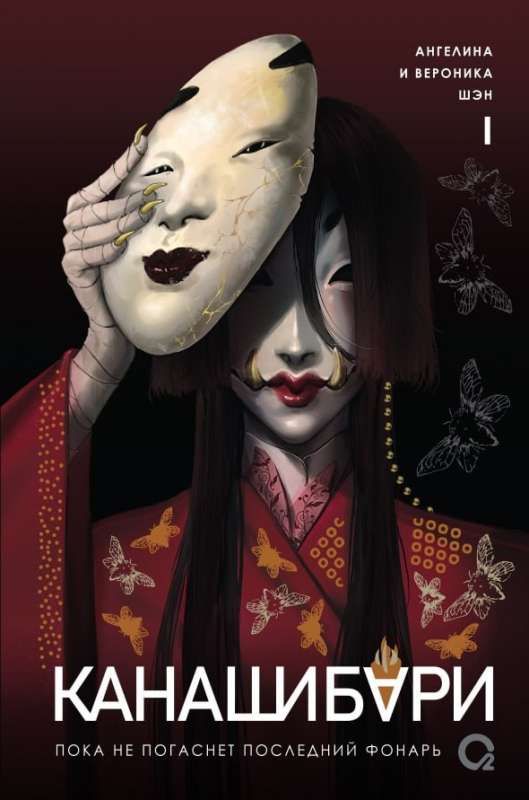
Kanasibari. Kamēr pēdējā laterna neizdziest. 1. sējums
Angelina Šen, Veronika Šen