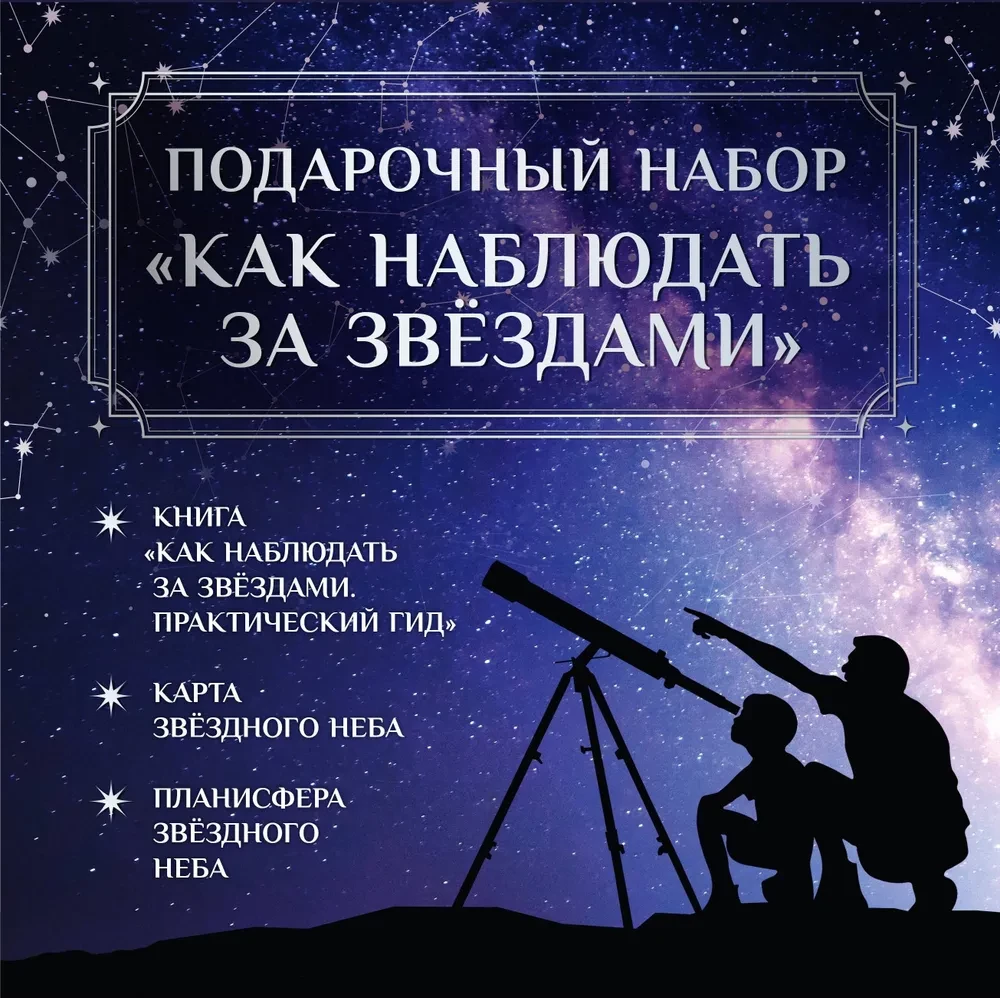
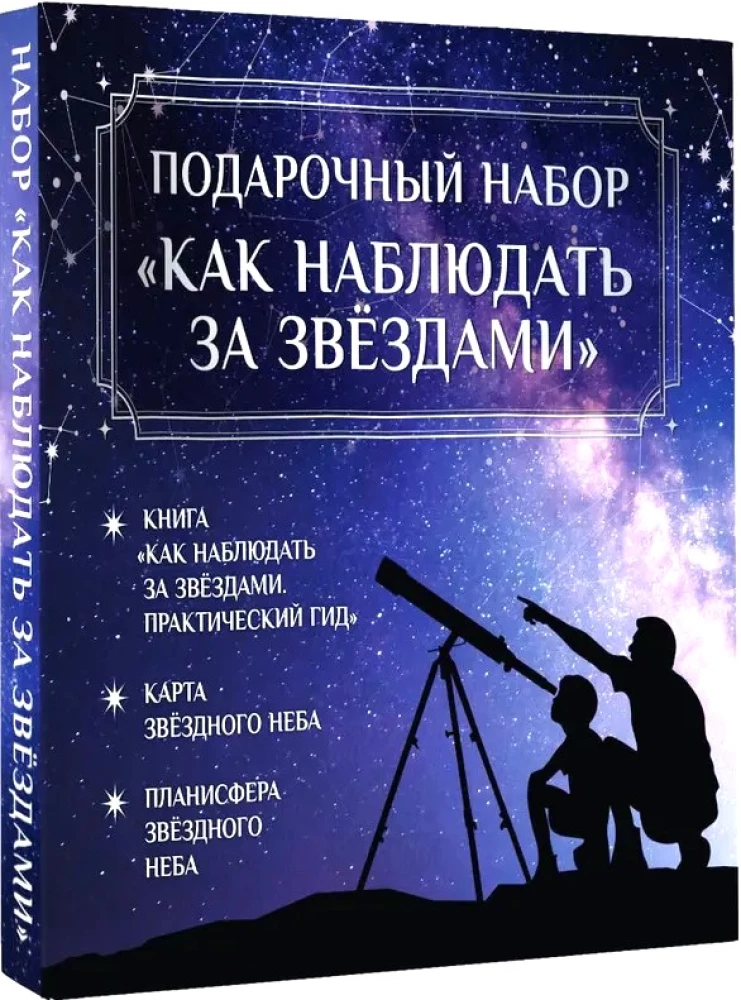
Dovanų rinkinys - Kaip stebėti žvaigždes
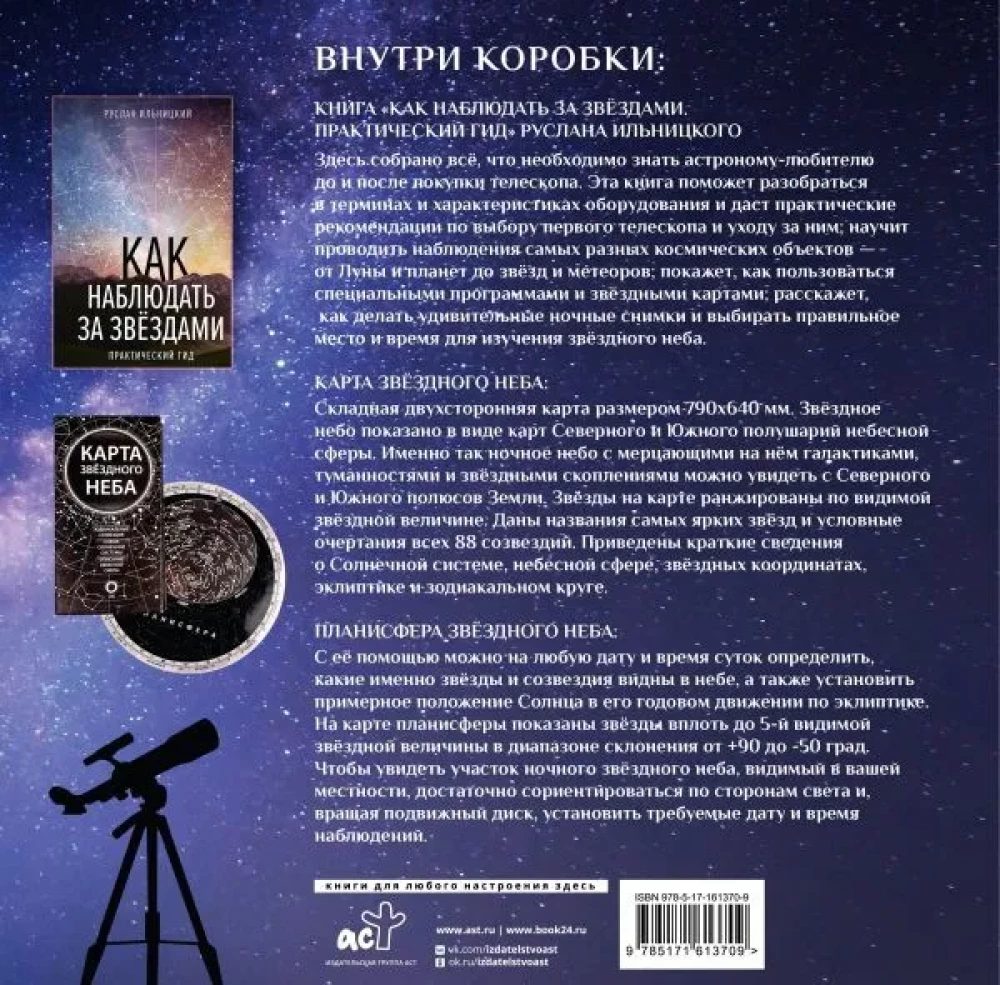
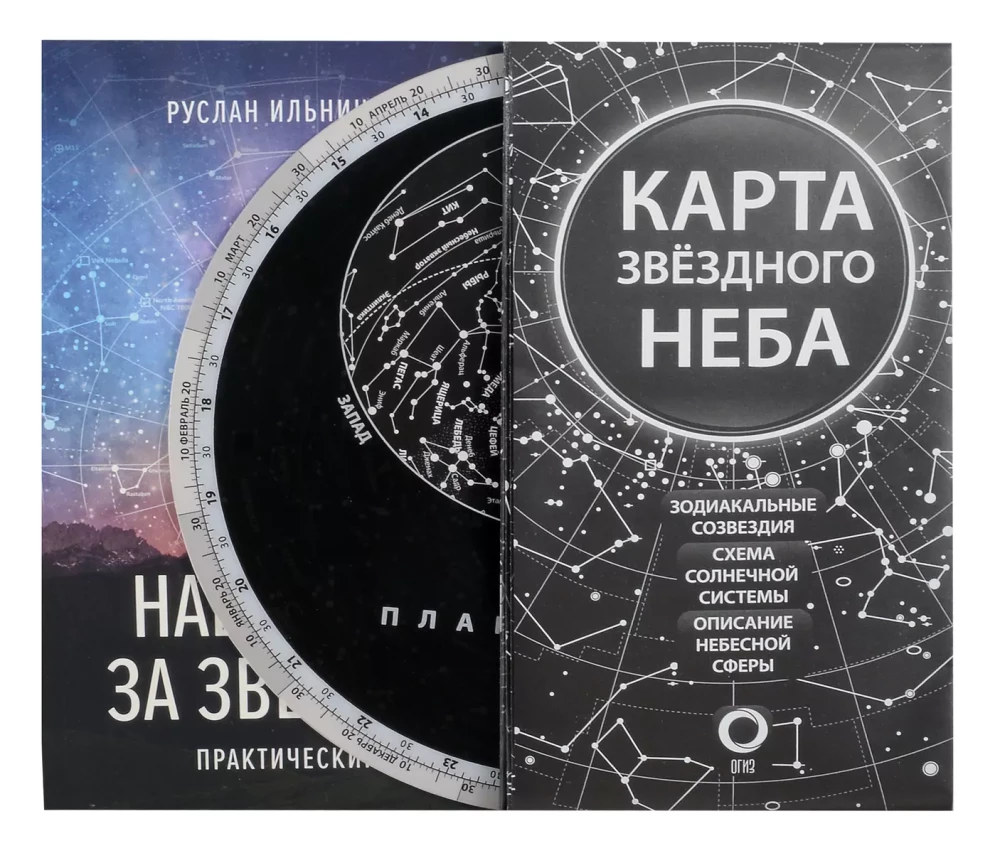
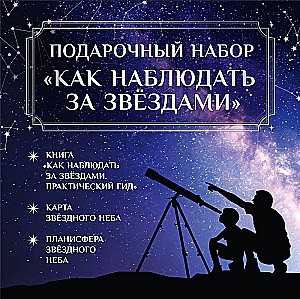
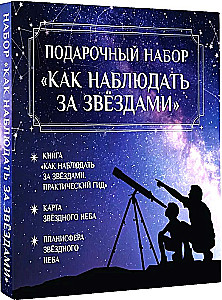
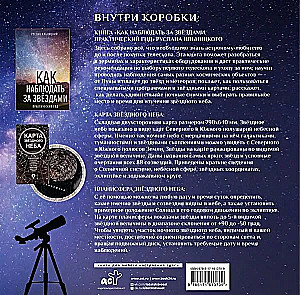
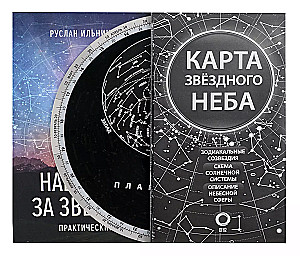
Dovanų rinkinys dėžutėje. Viduje yra: knyga „Kaip stebėti žvaigždes“ iš astronumo ir astrofotografo Ruslano Ilniackio, sulankstoma dvipusė žvaigždžių dangaus žemėlapis (išsiskleidus 790x640 mm) ir žvaigždžių dangaus planisfera. Knyga „Kaip stebėti žvaigždes“ – tai vadovas į astrofotografijos pasaulį. Čia surinkta viskas,...
ką reikia žinoti mėgėjų astronomams prieš ir po teleskopo pirkimo. Žvaigždžių dangaus žemėlapyje pateikta šiaurės ir pietų pusrutulis dangaus sferos. Būtent taip naktinį dangų su spindinčiomis galaktikomis, debesimis ir žvaigždžių blizgesiais galima pamatyti iš Šiaurinio ir Pietinio Žemės poliaus. Žvaigždės žemėlapyje yra įvertintos pagal matomą žvaigždžių ryškumą. Pateikiami ryškiausių žvaigždžių pavadinimai ir sąlyginiai visų 88 žvaigždynų kontūrai. Taip pat pateikiama trumpa informacija apie Saulės sistemą, dangaus sferą, žvaigždžių koordinates, ekliptiką ir zodiako ratą. Naudojant dangaus žvaigždžių planisferą, bet kuriai datai ir paros laikui galima nustatyti, kokios žvaigždės ir žvaigždynai matomi danguje, taip pat nustatyti apytikslę Saulės padėtį jos metinėje ekliptikos judėjime. Planisferos žemėlapyje rodomos žvaigždės iki 5-os matomos žvaigždžių ryškumo, kurių nuolydžių diapazonas yra nuo +90 iki -50 laipsnių.
Autorius: Ruslan Ilnickij
Publisher: AST
Serija: Kaip stebėti žvaigždes
Amžiaus ribos: 12+
Išleidimo metai: 2024
ISBN: 9785171613709
Puslapių skaičius: 1
Dydis: 225x225x23 mm
Viršelio tipas: karton
Svoris: 497 g
ID: 1678973
Išparduota
€ 23.29
Išparduota
€ 23.29
Bestsellers


Bestseleris
€ 14.99
Yra sandėlyje
Švelniai sau. Knyga apie tai, kaip vertinti ir saugoti save
Olga Primačenko
€ 13.29
Yra sandėlyje
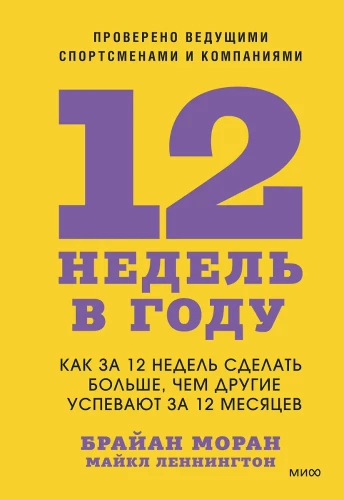
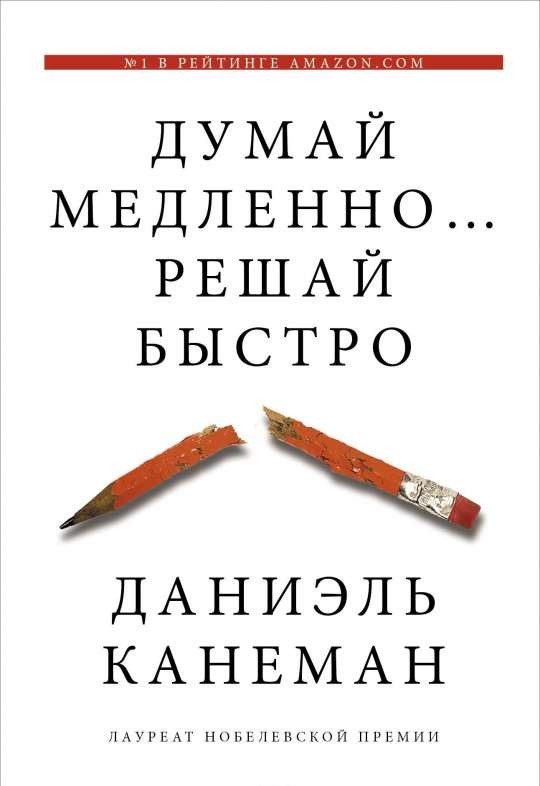
12 savaičių per metus. Kaip per 12 savaičių padaryti daugiau, nei kiti spėja per 12 mėnesių
Majkl Lennington, Brajan Moran

€ 7.89
Yra sandėlyje
Pasirinkimas. Apie laisvę ir žmogaus vidinę jėgą
Edit Eva Eger, Esme Švall-Vejgand
€ 14.99
Yra sandėlyje
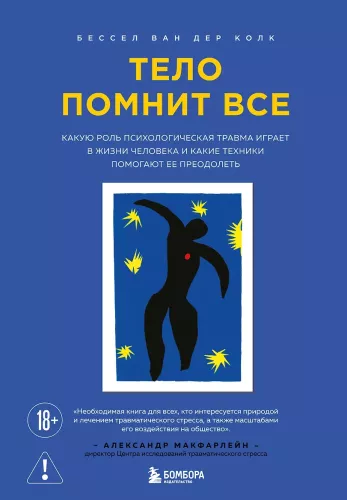
Kūnas prisimena viską: kokią rolę psichologinė trauma vaidina žmogaus gyvenime ir kokios technikos padeda ją įveikti
Bessel van der Kolk
Leidėjas "AST" rekomenduoja






Bestseleris
€ 11.79
Yra sandėlyje
Kaip per penkias minutes ištaisyti santykius. Stiprinti meilę, greitai spręsti konfliktus ir tapti artimesniais
Džon Grej, Sjuzen Kempbell