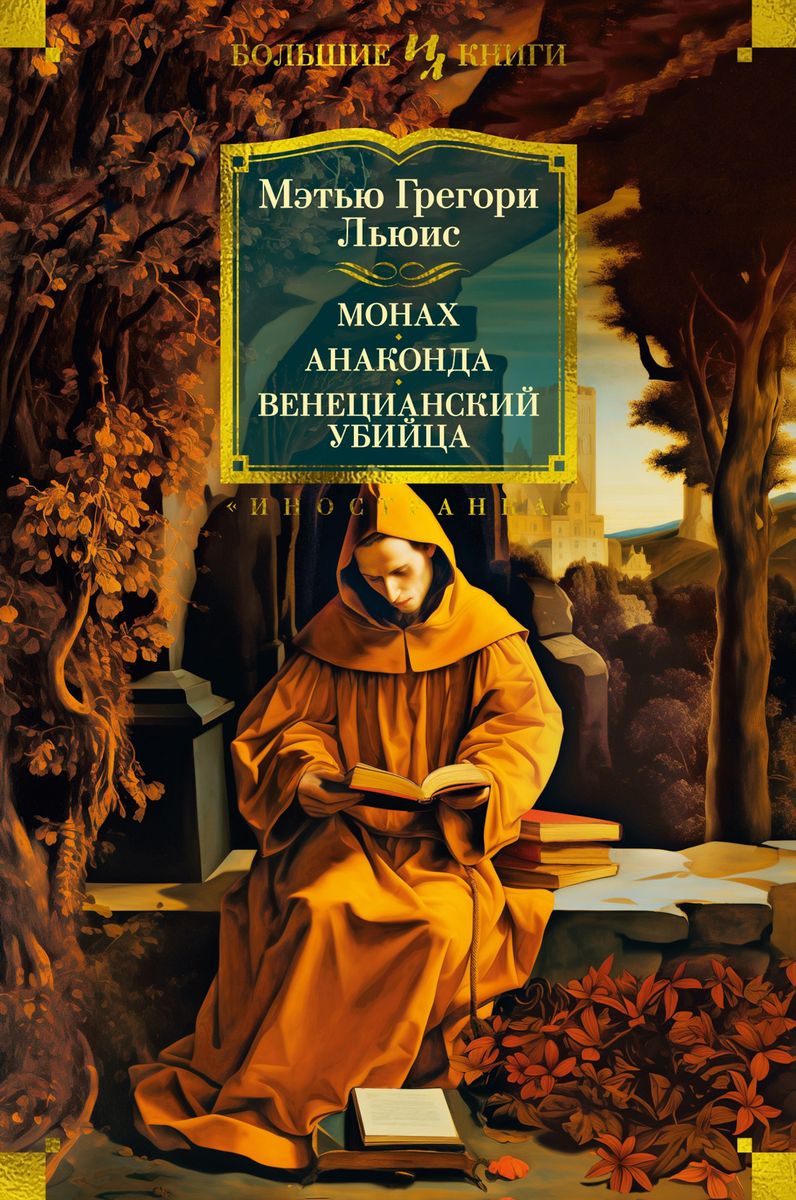
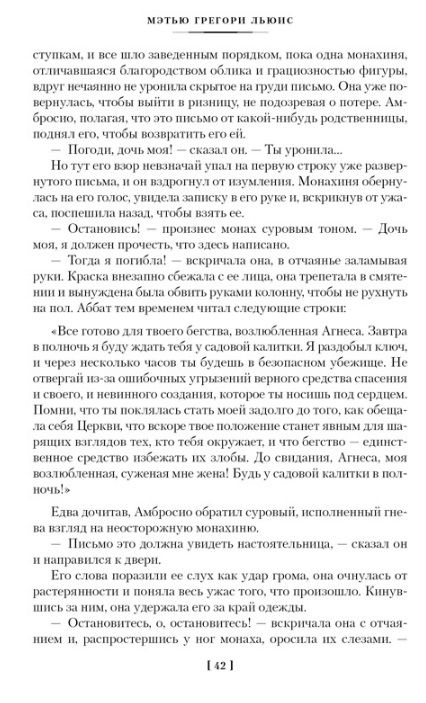
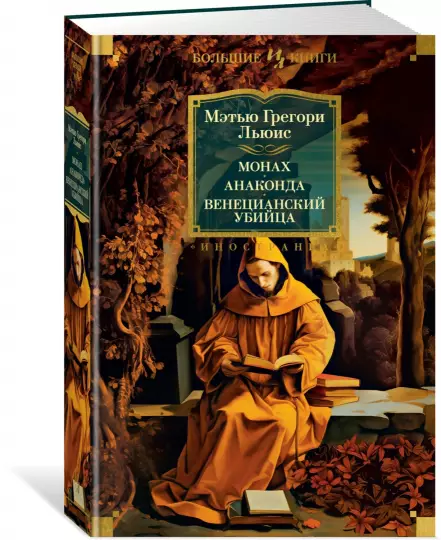
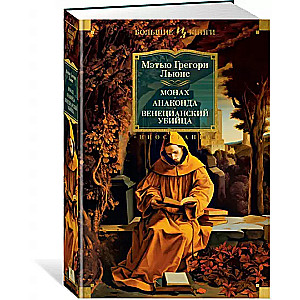
Монах. Анаконда. Венецианский убийца
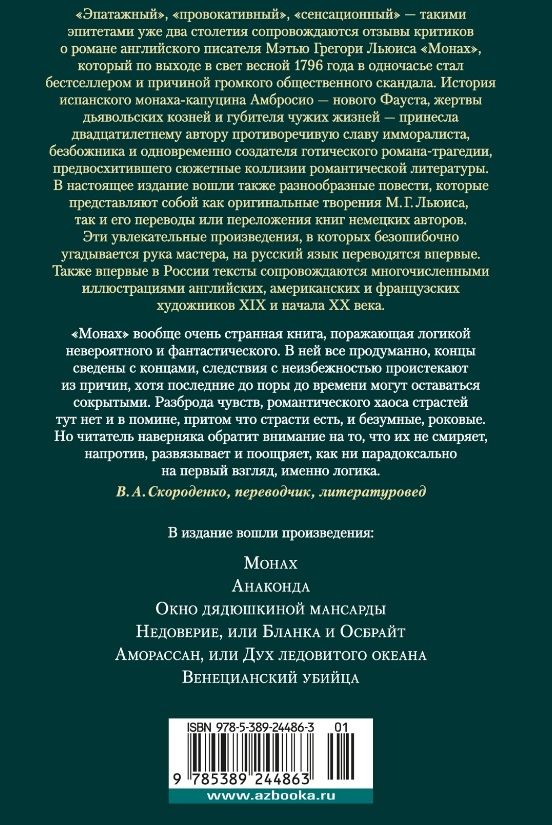
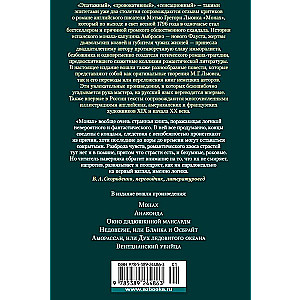
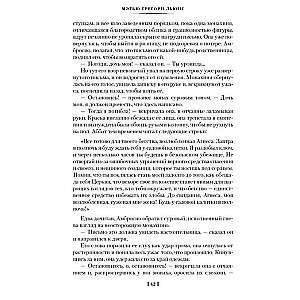
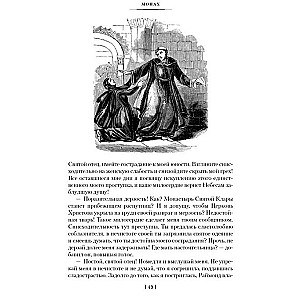
“Outrageous,” “provocative,” “sensational” — these are the epithets that have accompanied critics' reviews of the novel by English writer Matthew Gregory Lewis, “The Monk,” for two centuries. Upon its release in the spring of 1796, it simultaneously became a bestseller...
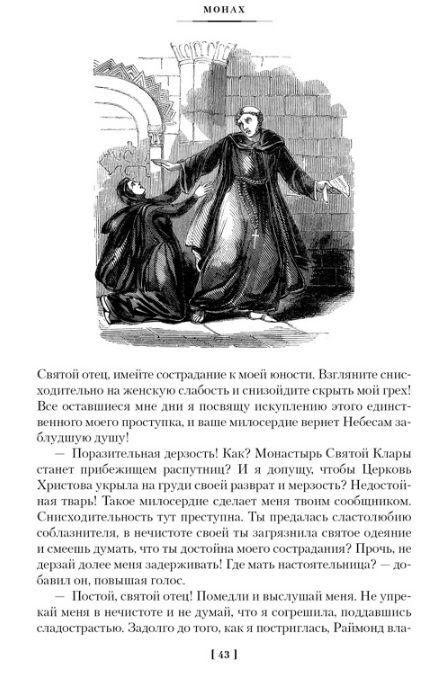
and the cause of a loud public scandal. The story of the Spanish Capuchin monk Ambrosio — a new Faust, a victim of devilish machinations and a destroyer of others' lives — brought the twenty-year-old author a controversial reputation as an immoralist, an atheist, and at the same time the creator of a gothic tragic novel, foreshadowing the plot conflicts of romantic literature. This edition also includes various short stories, which are both original works by M. G. Lewis and his translations or adaptations of books by German authors. These fascinating works, in which the hand of the master is unmistakably discerned, are being translated into Russian for the first time
Autor: ЛЬЮИС М.Г.
Väljaandja: Azbuka
Seeria: Võõramaa kirjandus. Suured raamatud
Vanusepiirangud: 16+
avaldamise aasta: 2024
ISBN: 9785389244863
lehekülgede arv: 800
Suurus: 217x146x40 мм mm
Kaanetüüp: Hard
Kaal: 938 g
ID: 1665337
Välja müüdud
€ 16.29
Välja müüdud
€ 16.29