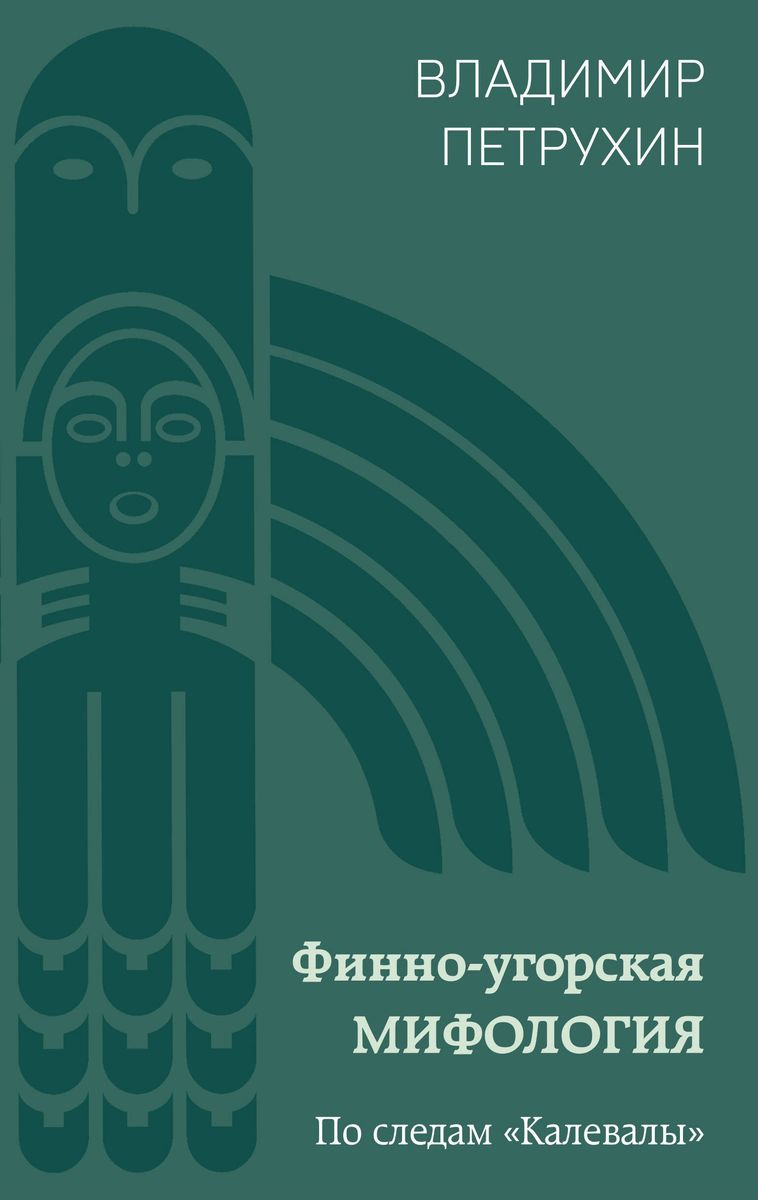
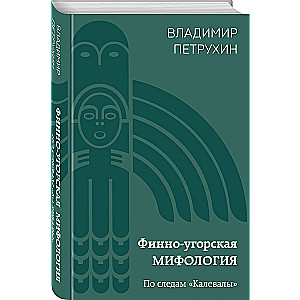
Финно-угорская мифология. По следам «Калевалы»
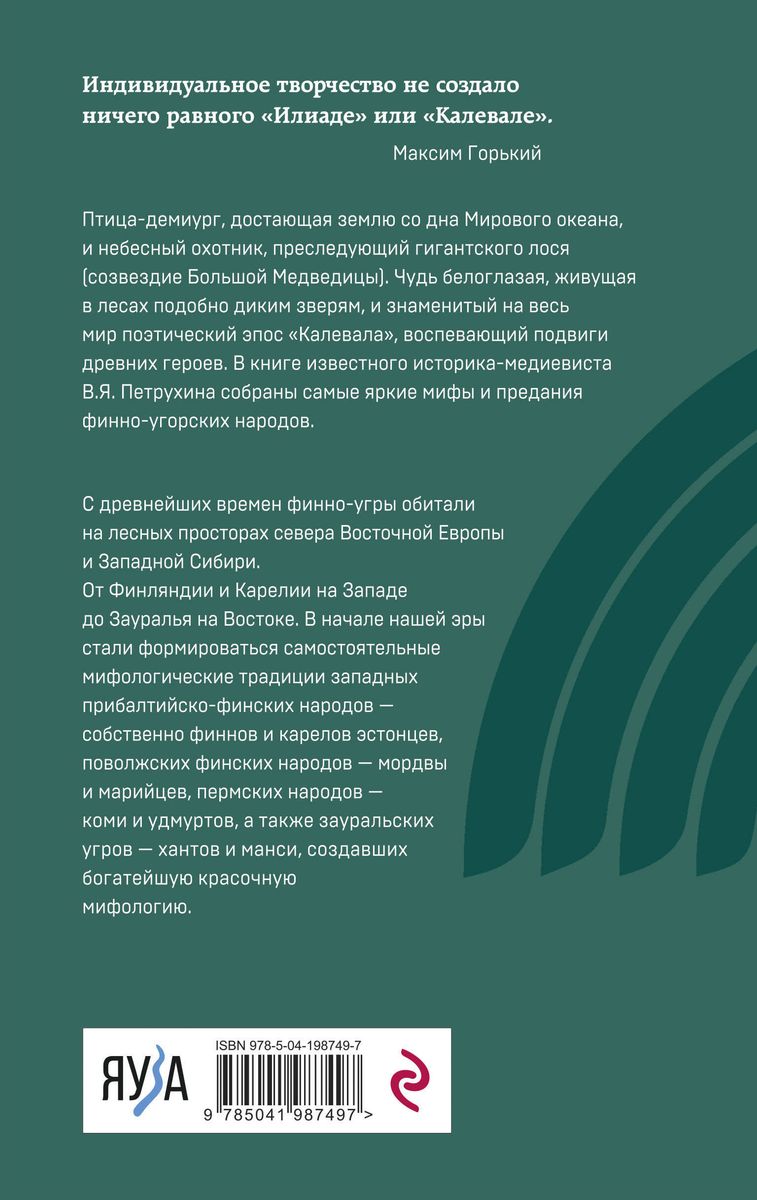
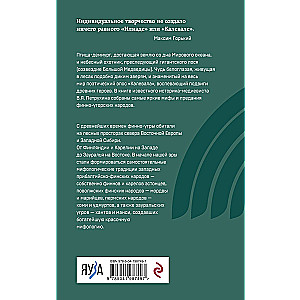
The demiurge bird that retrieves land from the bottom of the world ocean, and the celestial hunter pursuing a giant moose (the constellation Ursa Major). The white-eyed Chud who live in the forests like wild beasts, and the world-famous poetic...
epic "Kalevala", celebrating the deeds of ancient heroes. In the book by the well-known historian of medieval studies V.Ya. Petrukhin, the brightest myths and legends of the Finno-Ugric peoples are collected. Since ancient times, the Finno-Ugric peoples have inhabited the forested expanses of northern Eastern Europe and Western Siberia. From Finland and Karelia in the West to the Trans-Ural region in the East. In the early decades of our era, independent mythological traditions of the Western Baltic-Finnish peoples began to form — the Finns and Karelians, Estonians, Volga Finnic peoples — Mordvins and Mari, Perm peoples — Komi and Udmurts, as well as the Trans-Ural Ugric peoples — Khanty and Mansi, who created a rich and colorful mythology.
Autor: ПЕТРУХИН В.Я.
Väljaandja: Eksmo
Seeria: Maailma rahvaste mütoloogia
Vanusepiirangud: 16+
avaldamise aasta: 2024
ISBN: 9785041987497
lehekülgede arv: 480
Suurus: 84x108/32 mm
Kaanetüüp: Hard
Kaal: 488 g
ID: 1663336
Välja müüdud
€ 20.09
Välja müüdud
€ 20.09
Bestsellers










Väljaandja „Eksmo“ soovitab


Bestseller
€ 11.69
Laos
Тук-тук, сердце! Как подружиться с самым неутомимым органом и что будет, если этого не сделать
ФОН БОРСТЕЛЬ Й.Х.


Bestseller
€ 17.29
Laos
Праздничное вязание. Классические елочные игрушки в скандинавском стиле, связанные крючком
ЙОХАННЕСЕН ХАЙДИ Б.