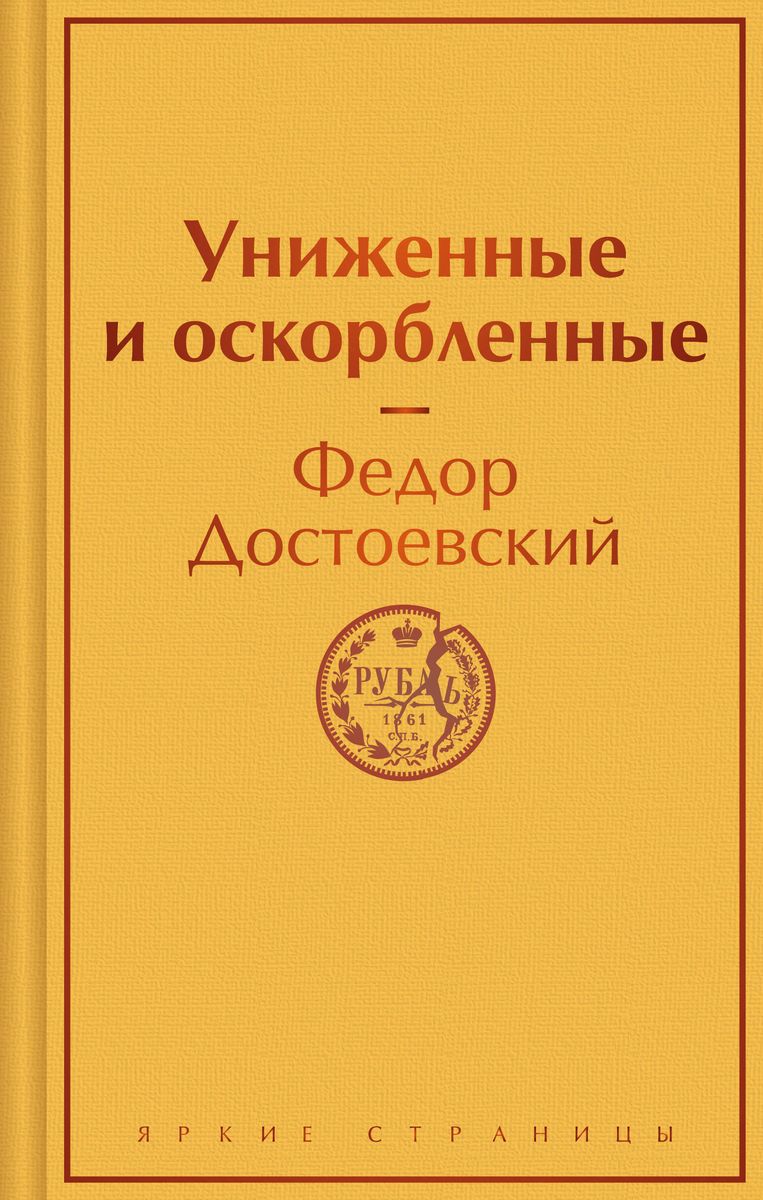
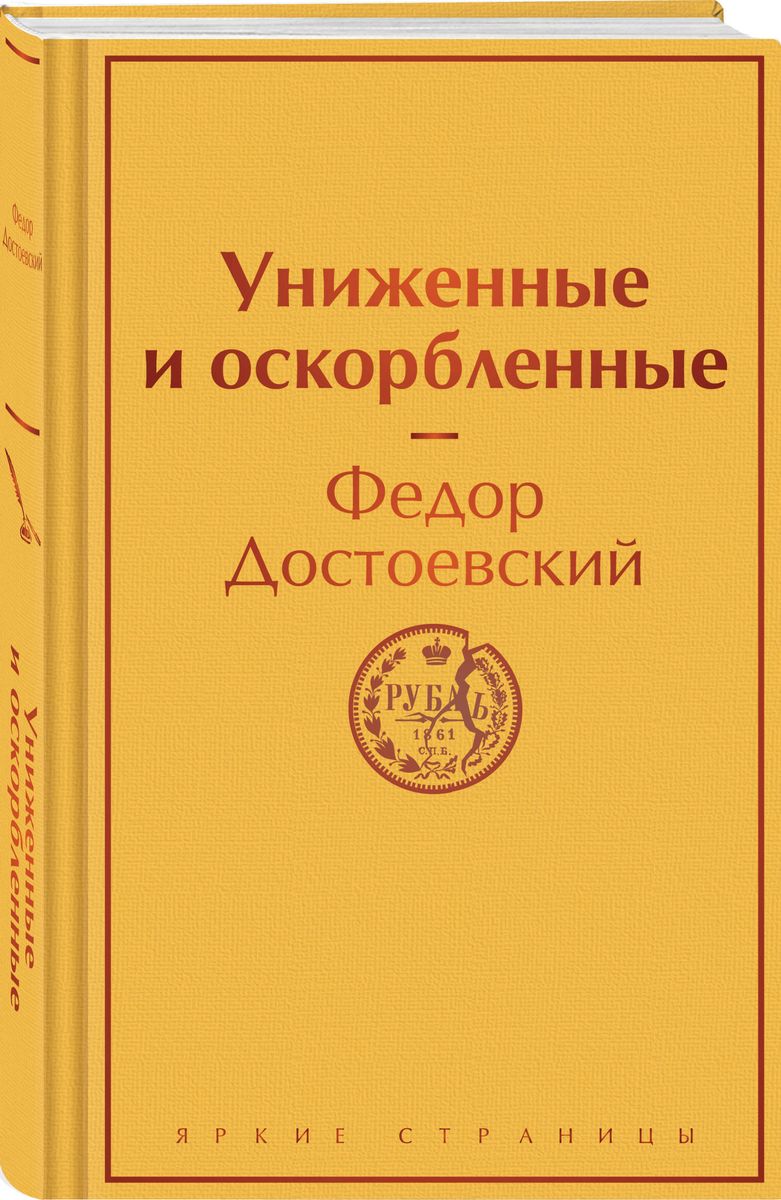

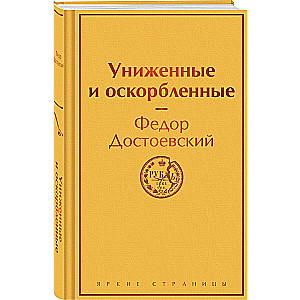

Униженные и оскорбленные
Poor people, left without support and means of existence, often became heroes of Dostoevsky. In the novel "Humiliated and Insulted" (written immediately after the reference), the author shows us characters who found themselves in a deplorable situation and tries to...
find the deep reasons for such a state.
The study of human psychology led the classic to the thought that selfishness can be not only "predatory" and cynical (as with the intriguer with the dark past Prince Valkonsky), but also "sacrificial" (in the case of Natasha Ikhmenova, blinded by love) and even "suffering" (as seen in her proud father Nikolai Ikhmenev).
The study of human psychology led the classic to the thought that selfishness can be not only "predatory" and cynical (as with the intriguer with the dark past Prince Valkonsky), but also "sacrificial" (in the case of Natasha Ikhmenova, blinded by love) and even "suffering" (as seen in her proud father Nikolai Ikhmenev).
Autor: ДОСТОЕВСКИЙ Ф.М.
Väljaandja: Eksmo
Seeria: Kirevad lehed
Vanusepiirangud: 16+
avaldamise aasta: 2024
ISBN: 9785041950521
lehekülgede arv: 448
Suurus: 208x136x23 mm
Kaanetüüp: Hard
Kaal: 433 g
ID: 1640125
Välja müüdud
€ 8.39
Välja müüdud
€ 8.39
Bestsellers










Väljaandja „Eksmo“ soovitab





Bestseller
€ 20.69
Laos
Дрессировка без наказания. 5 недель, которые сделают вашу собаку лучшей в мире
СИЛЬВИЯ-СТАСИЕВИЧ Д., КЕЙ Л.