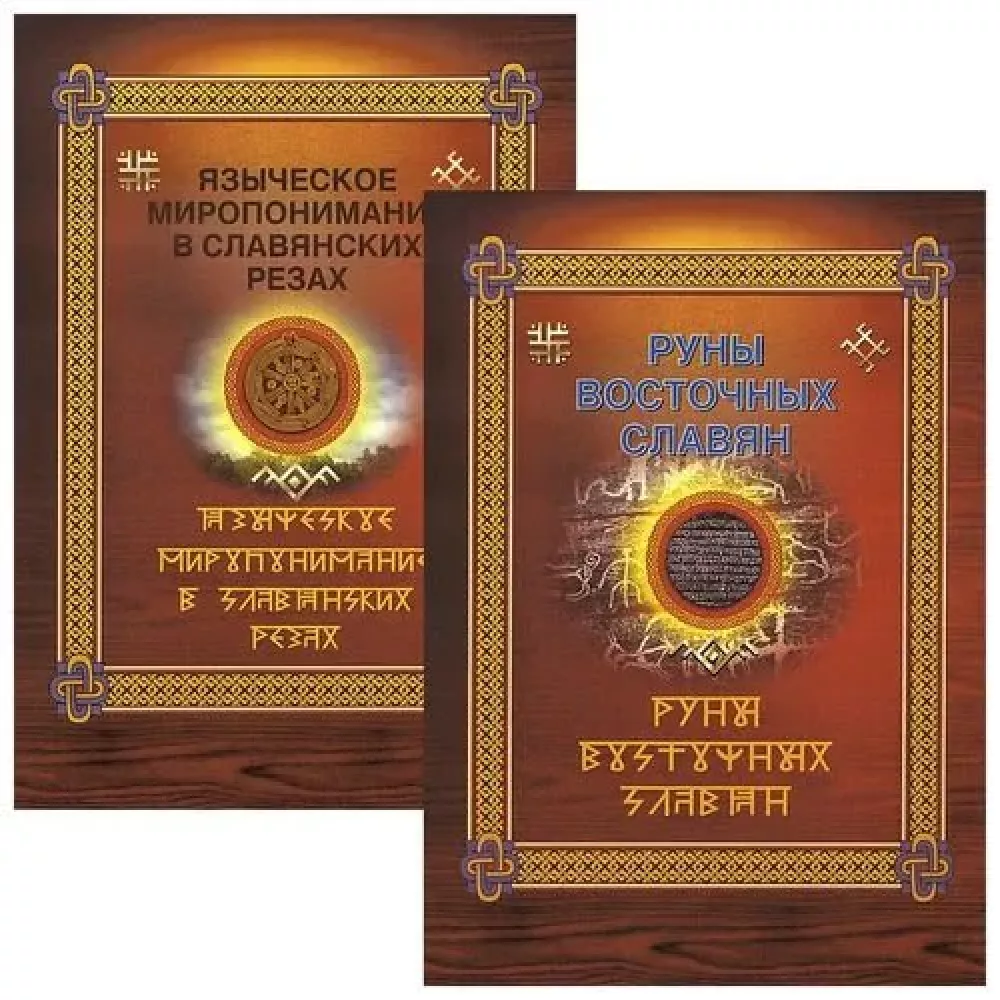
Runes of Eastern Slavs + Pagan Worldview in Slavic Carvings (set of 2 books)
Author: Креслав Рысь
Printhouse: Profit Stail
Age restrictions: 16+
Year of publication: 2014
ISBN: 9789668504044
Number of pages: 530
Size: 290х250х25 mm
Cover type: soft
Weight: 1280 g
ID: 1744962
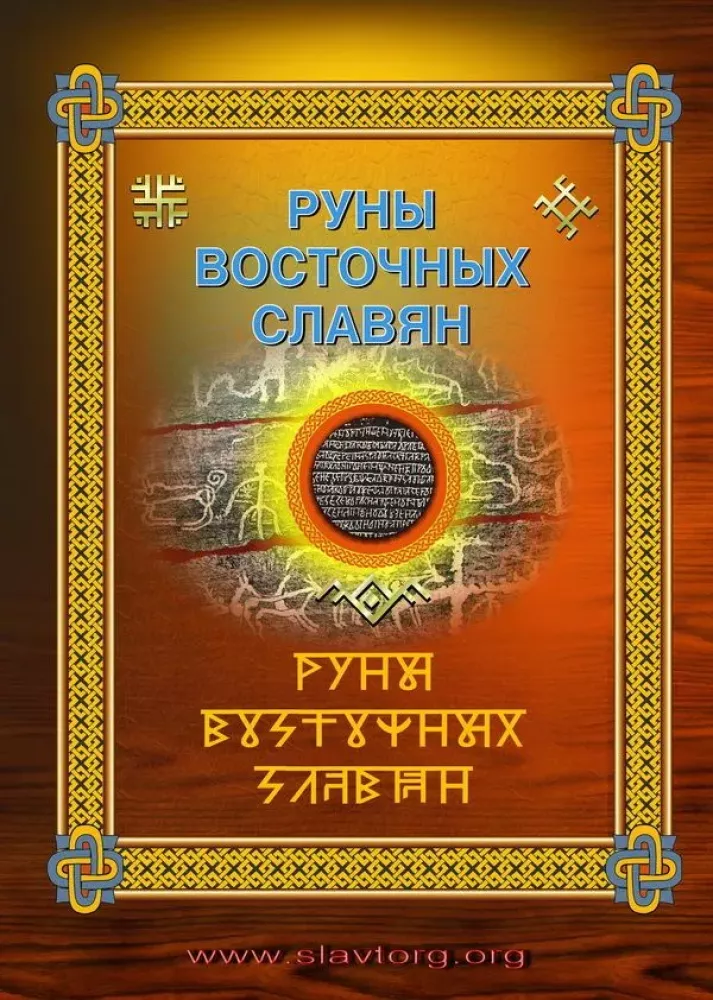
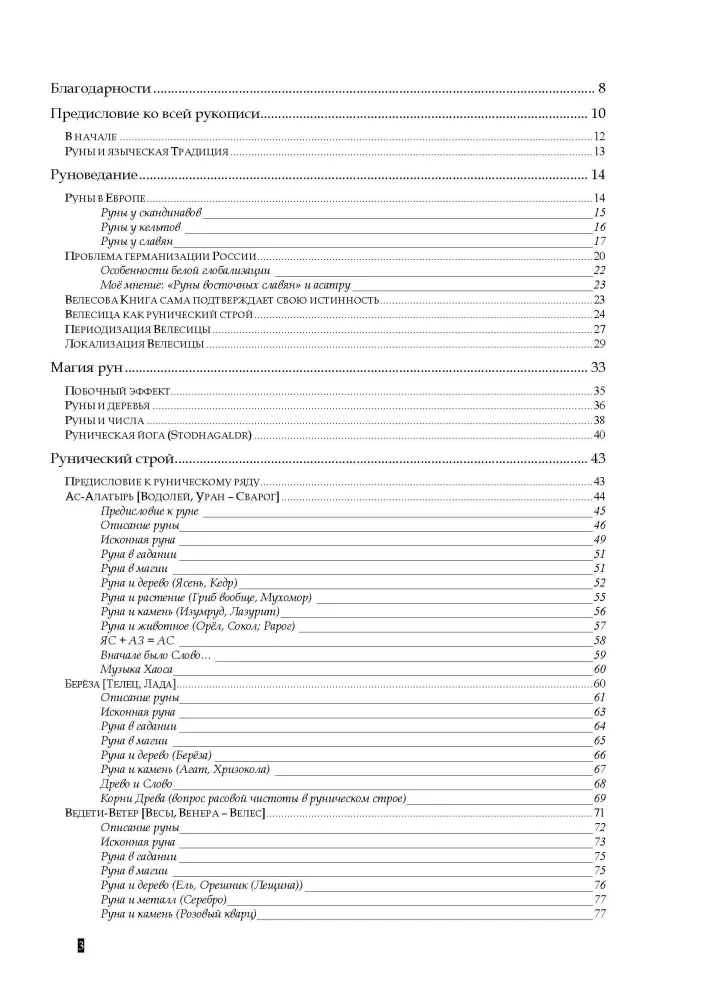
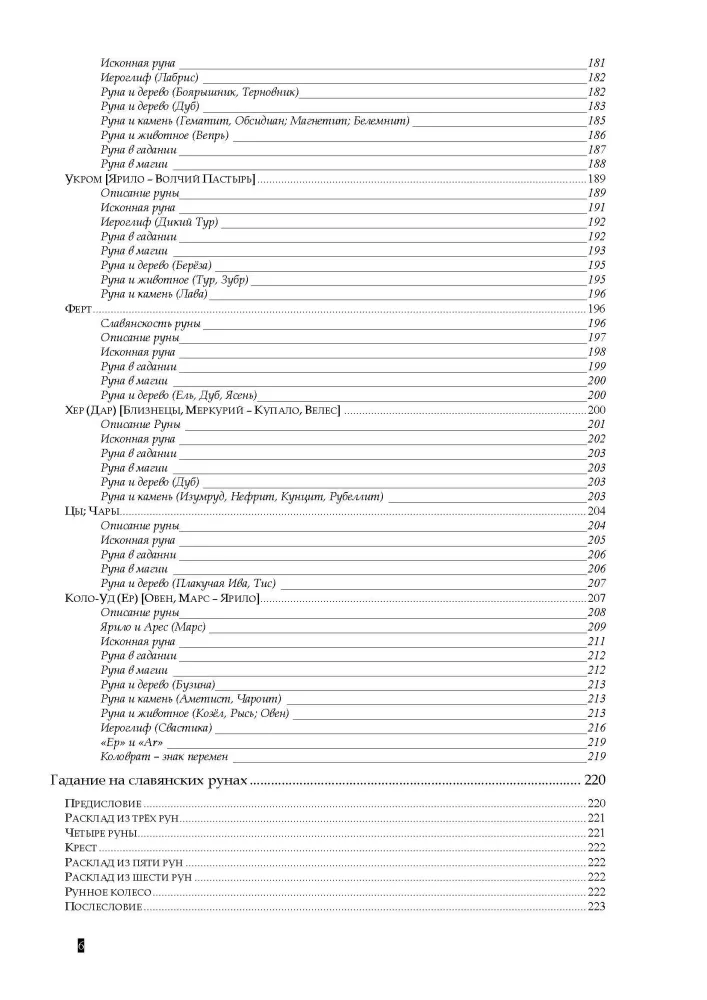
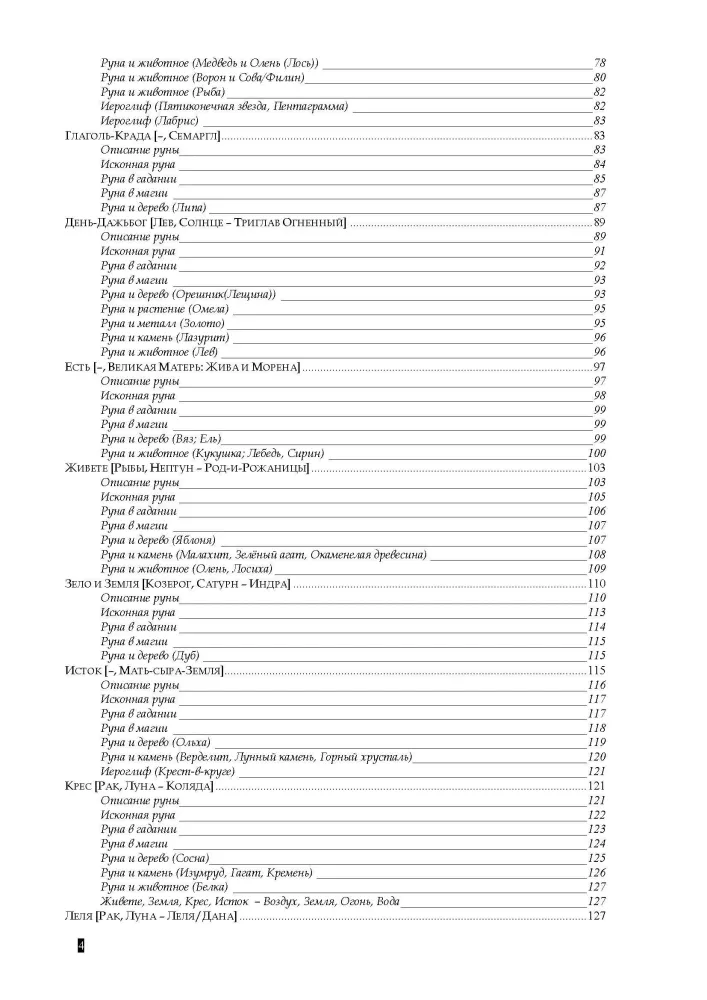
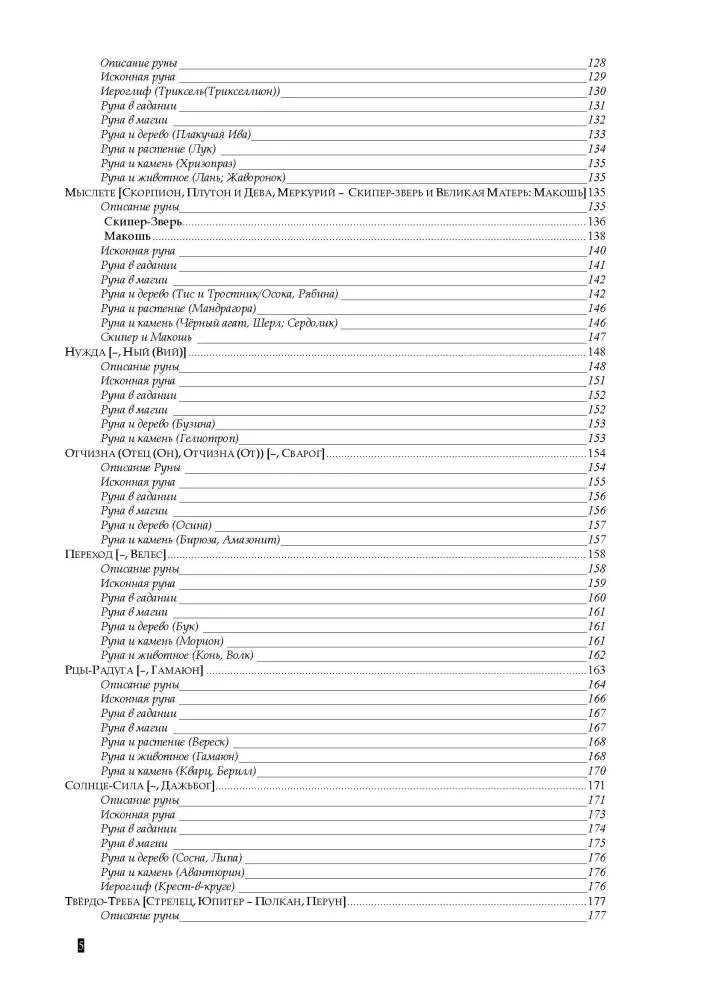
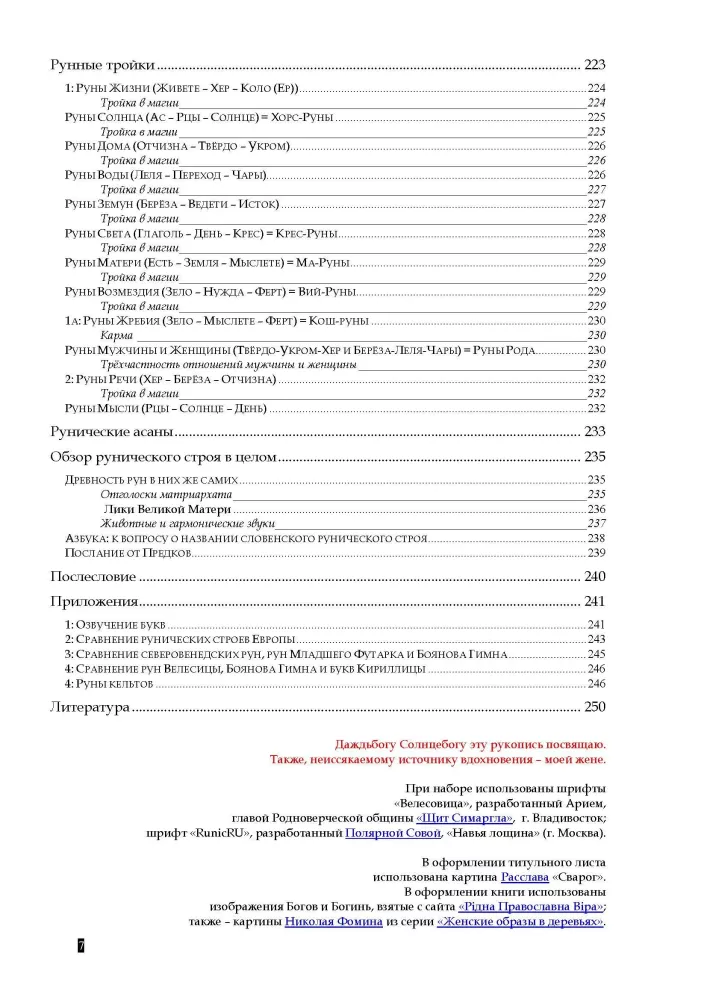
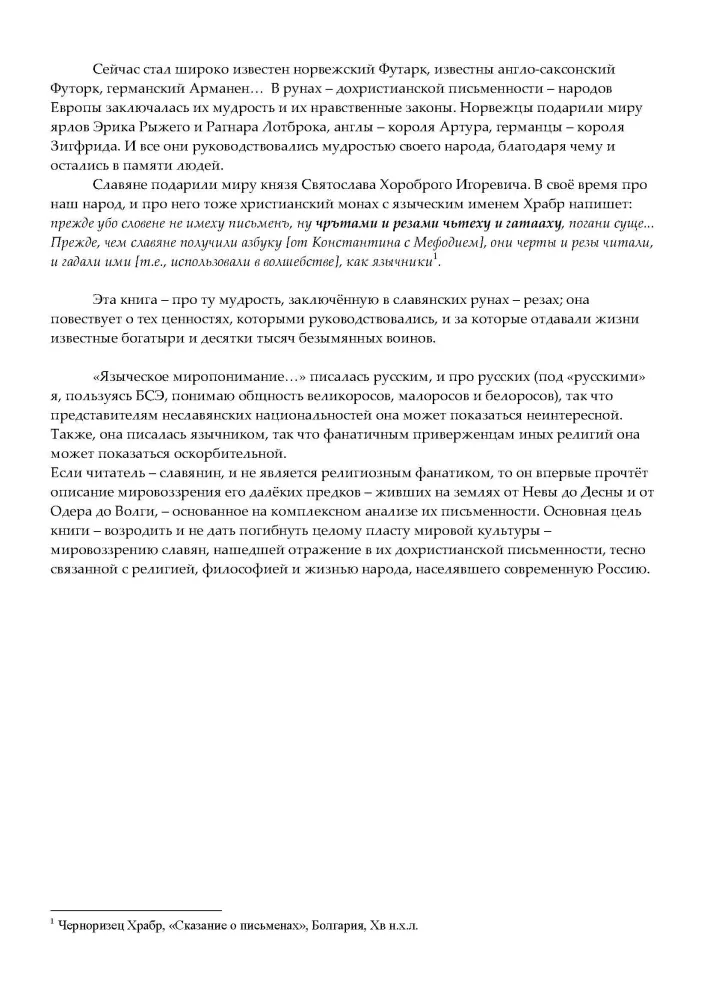
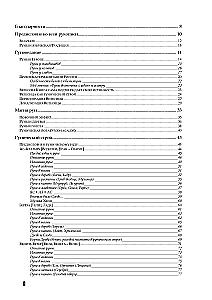
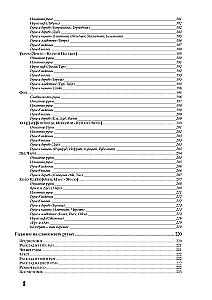
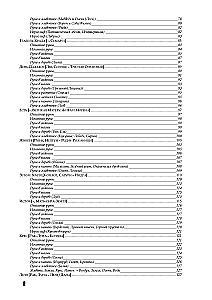
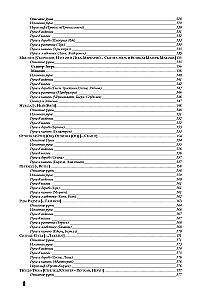
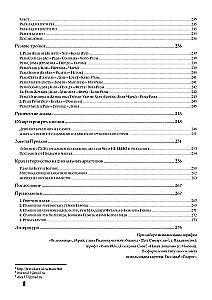
The book "Runes of Eastern Slavs" is currently the only comprehensive study dedicated to the runes of Eastern Slavs who lived on the lands from the Neva to the Desna and from the Oder to the Volga. The main goal of the book is to revive and prevent the loss of an entire layer of Slavic culture - pre-Christian writing. The book "Pagan Worldview in Slavic Carvings" is about the wisdom contained in Slavic runes - carvings; it narrates the values that guided famous heroes and tens of thousands of nameless warriors for which they laid down their lives.
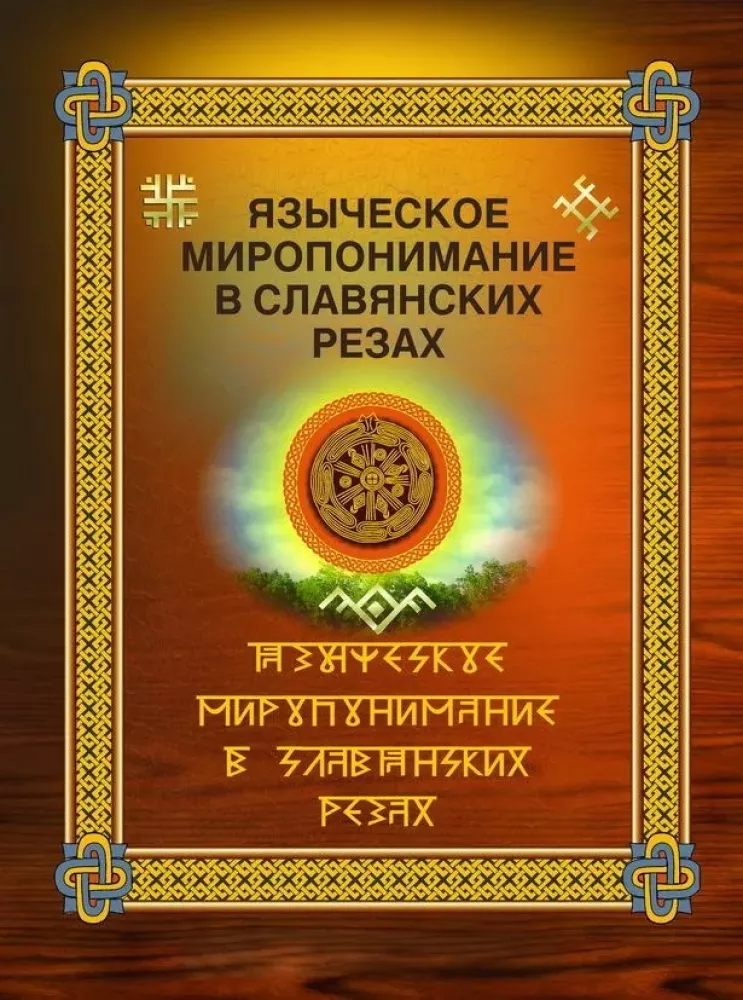
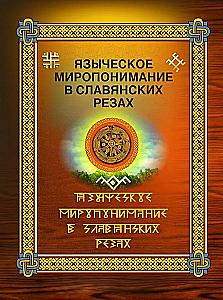
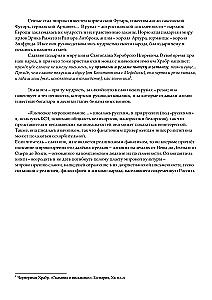
Pagan worldview in Slavic carvings. Now the Norwegian Futhark has become widely known, the well-known Anglo-Saxon Futhorc, the German Armanen... In the runes - pre-Christian writings - of the peoples of Europe was their wisdom and their moral laws. The Norwegians gifted the world with the earls Eric the Red and Ragnar Lothbrok, the Angles - King Arthur, the Germans - King Siegfried. And all of them were guided by the wisdom of their people, which is why they remain in people's memory.
The Slavs gifted the world with Prince Sviatoslav the Brave Igorovich. In due time, a Christian monk with a pagan name Khrobr wrote about our people, and about him too: "Previously, the Slavs did not have writing, but read and divined with lines and carvings, being pagans..." Before the Slavs received the alphabet [from Cyril and Methodius], they read and divined with lines and carvings [i.e., used them in magic], like pagans.
This book is about the wisdom contained in Slavic runes - carvings; it narrates the values that guided famous heroes and tens of thousands of nameless warriors for which they laid down their lives. "Pagan worldview..." was written by a Russian and about Russians (by "Russians" I, using the Great Soviet Encyclopedia, understand the community of Great Russians, Little Russians, and White Russians), so it may seem uninteresting to representatives of non-Slavic nationalities. Also, it was written by a pagan, so it may seem offensive to fanatical adherents of other religions. If the reader is a Slav, and is not a religious fanatic, they will read for the first time a description of the worldview of their distant ancestors - who lived on the lands from the Neva to the Desna and from the Oder to the Volga, - based on a comprehensive analysis of their writings. The main goal of the book is to revive and prevent the loss of an entire layer of global culture - the worldview of the Slavs, which found reflection in their pre-Christian writing, closely related to the religion, philosophy, and life of the people who inhabited modern Russia.
Bestsellers