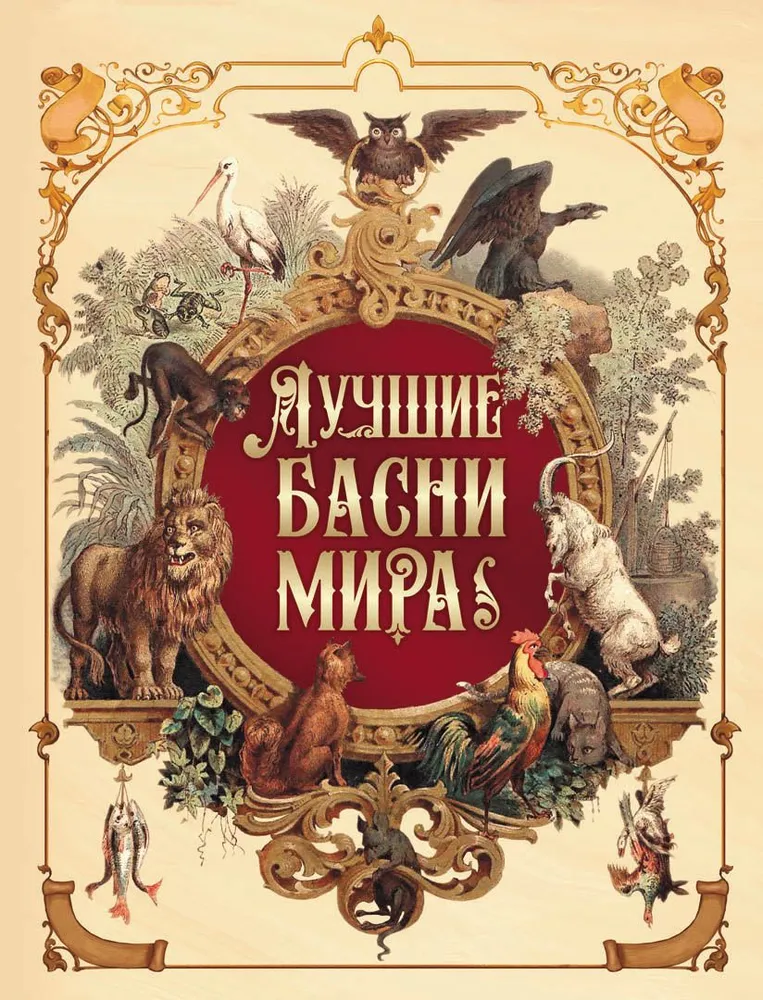
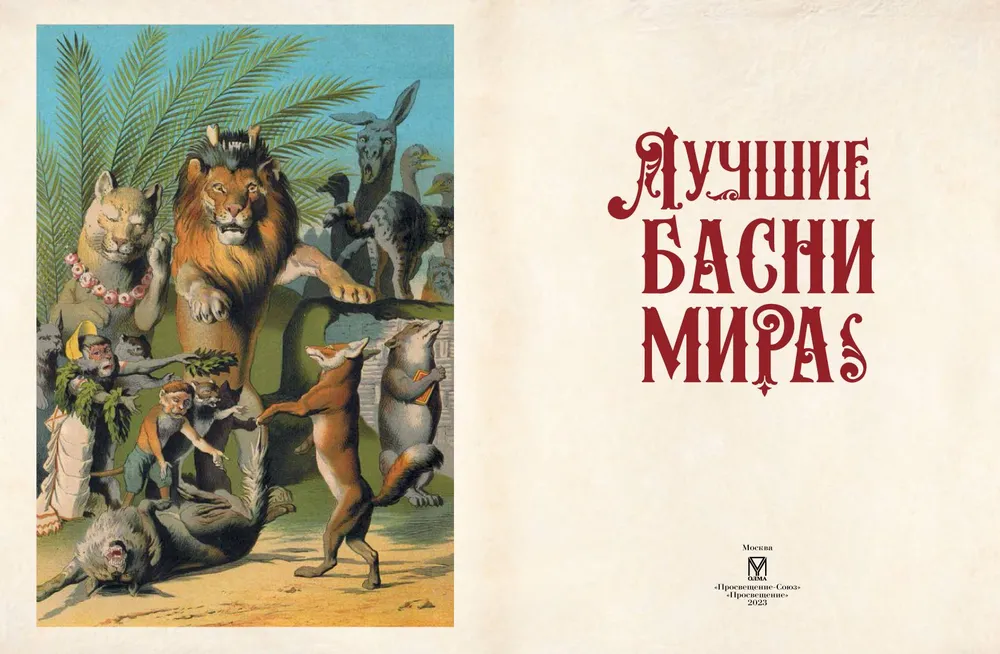
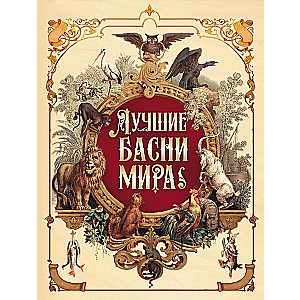
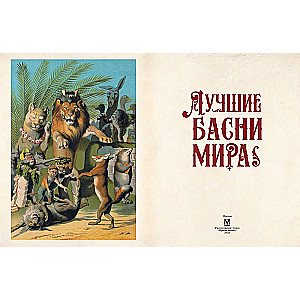
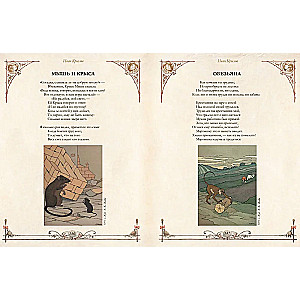
Лучшие басни мира
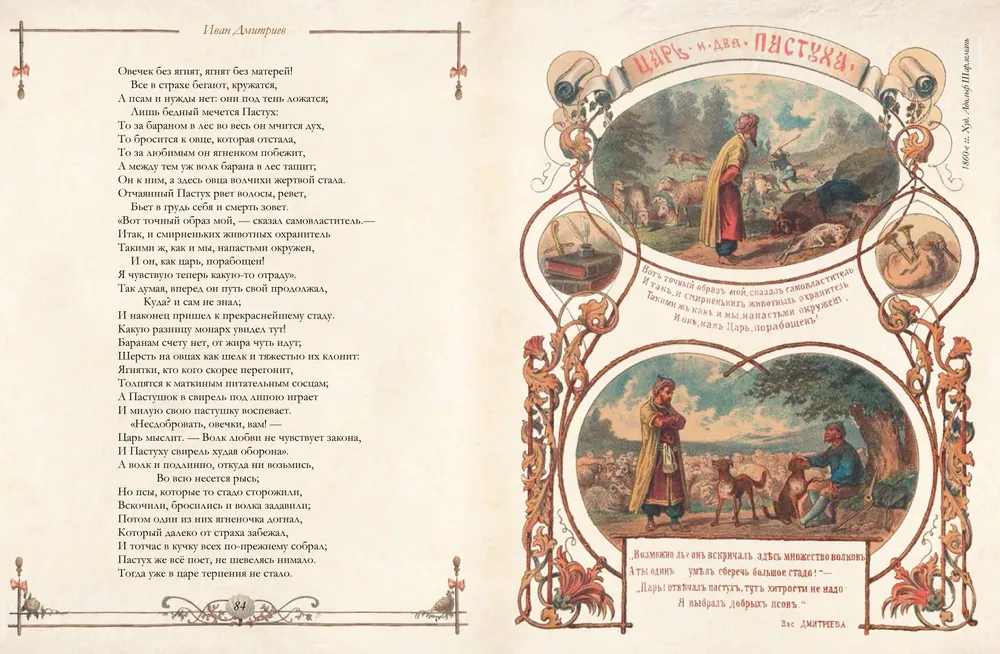
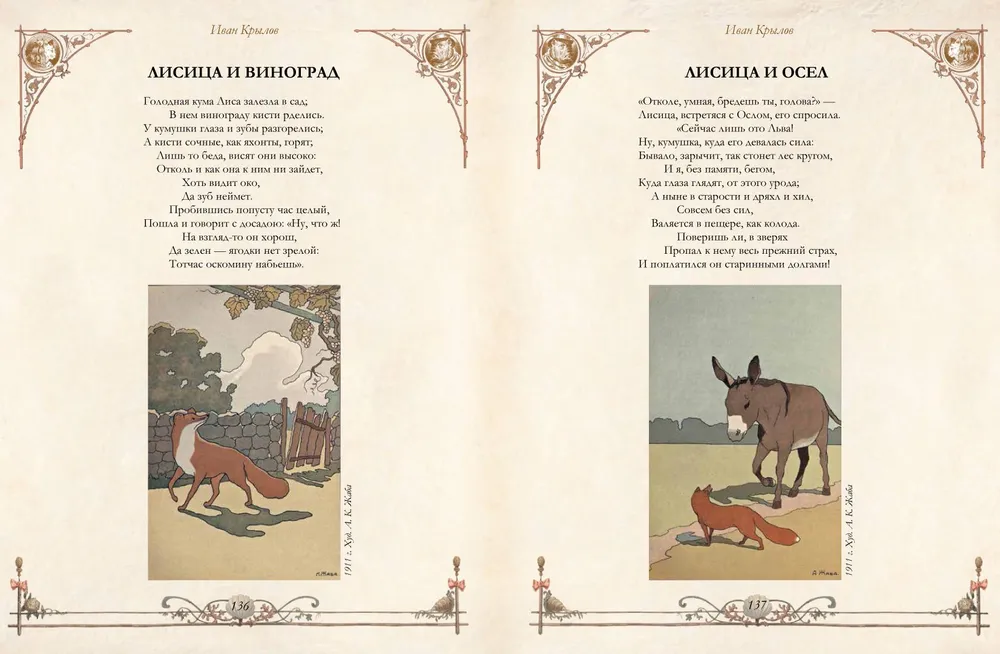
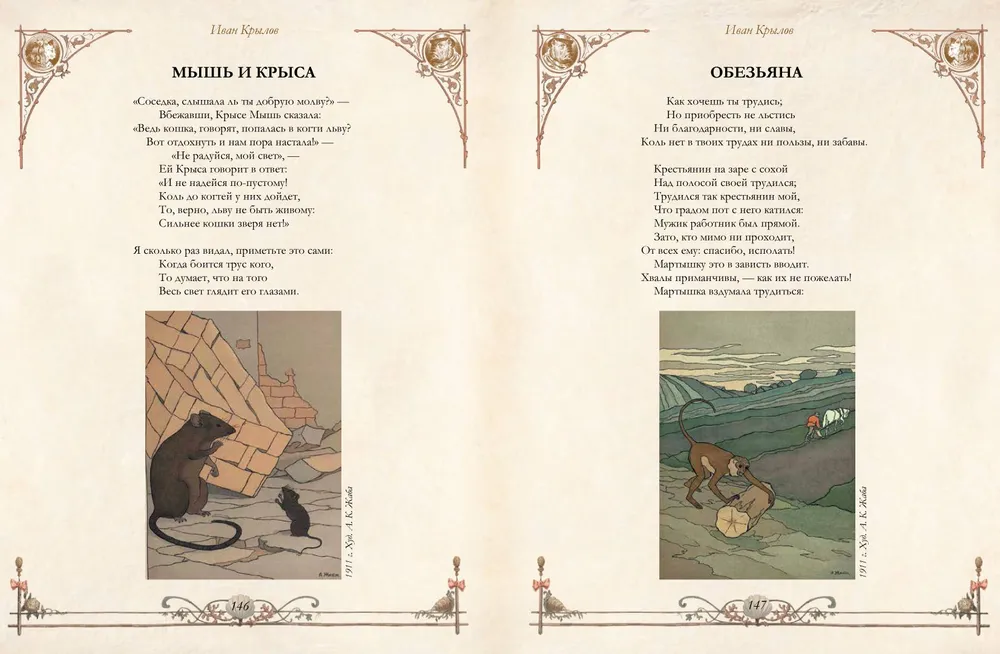
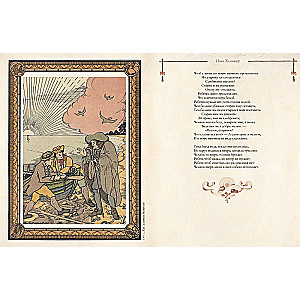
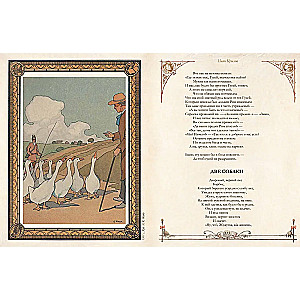
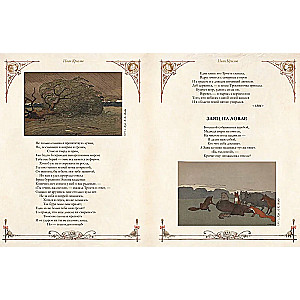
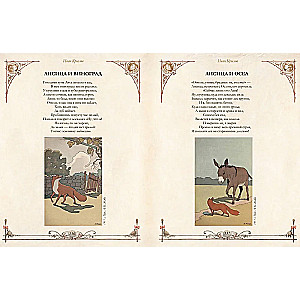
"...The world that we find in fables is in some way a pure mirror, in which the human world is reflected," - thus described the fable at the beginning of the 19th century by Vasily Zhukovsky.
Fables provide extraordinary pleasure to... readers of all ages. It is not surprising, as it traces back to the wonderful tales of primitive times, extraordinarily popular in the cultures of various peoples.
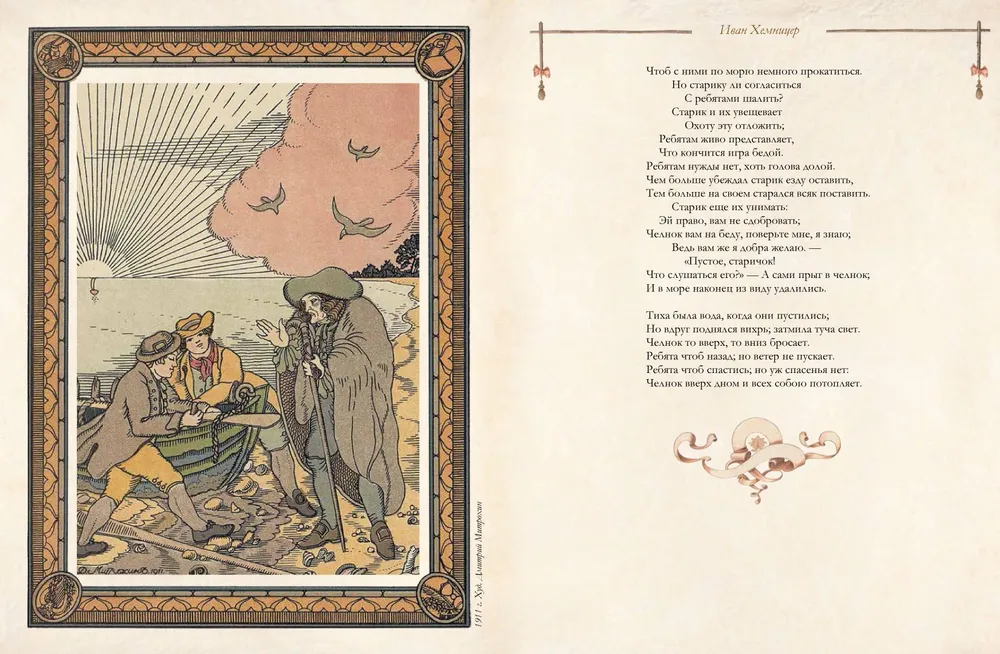
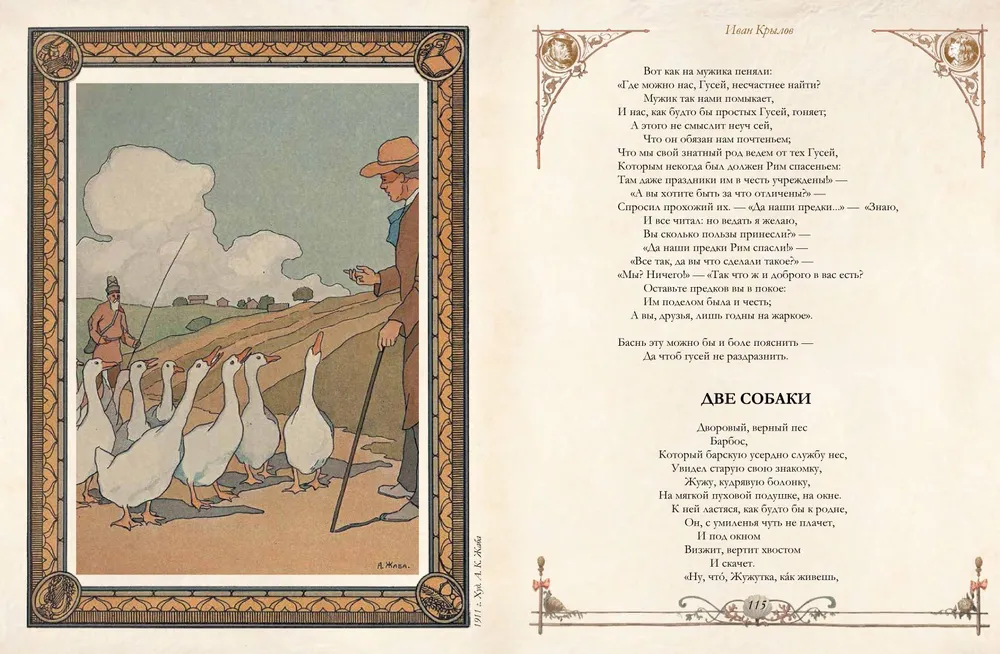
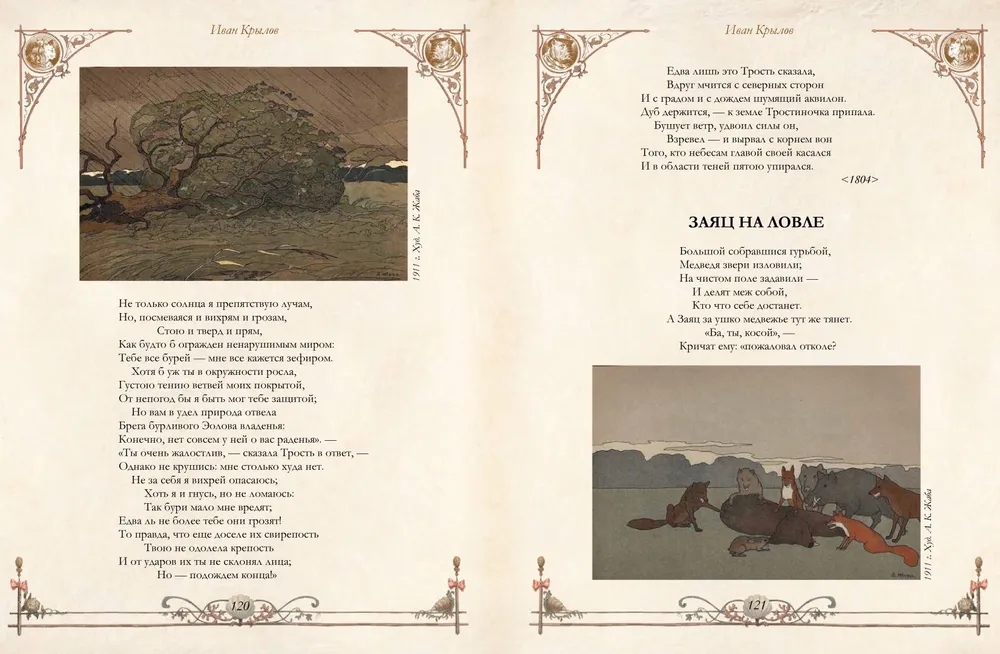
The greatest fabulist of antiquity was the Greek Aesop (circa 600 BC). From the Greeks, fables transitioned to the peoples of Europe and Asia, were translated and adapted in all languages, until in Russia this genre was brought to genius perfection by Ivan Krylov (1769-1844).
The moral, obtaining an appealing character through the fable, is the main property of this "pure mirror," helping a person to scrutinize their imperfections.
Compiler: V.V. Kuzmin.
Fables provide extraordinary pleasure to... readers of all ages. It is not surprising, as it traces back to the wonderful tales of primitive times, extraordinarily popular in the cultures of various peoples.
The greatest fabulist of antiquity was the Greek Aesop (circa 600 BC). From the Greeks, fables transitioned to the peoples of Europe and Asia, were translated and adapted in all languages, until in Russia this genre was brought to genius perfection by Ivan Krylov (1769-1844).
The moral, obtaining an appealing character through the fable, is the main property of this "pure mirror," helping a person to scrutinize their imperfections.
Compiler: V.V. Kuzmin.
Autor: ЭЗОП, КРЫЛОВ, ЛАФОНТЕН
Väljaandja: Olma-press
Seeria: Maailma klassika illustreeritud
Vanusepiirangud: 6+
avaldamise aasta: 2023
ISBN: 9785001853558
lehekülgede arv: 208
Suurus: 263x203x18 мм mm
Kaanetüüp: Твердый переплет
Kaal: 776 g
ID: 1670338
Välja müüdud
€ 18.49
Välja müüdud
€ 18.49