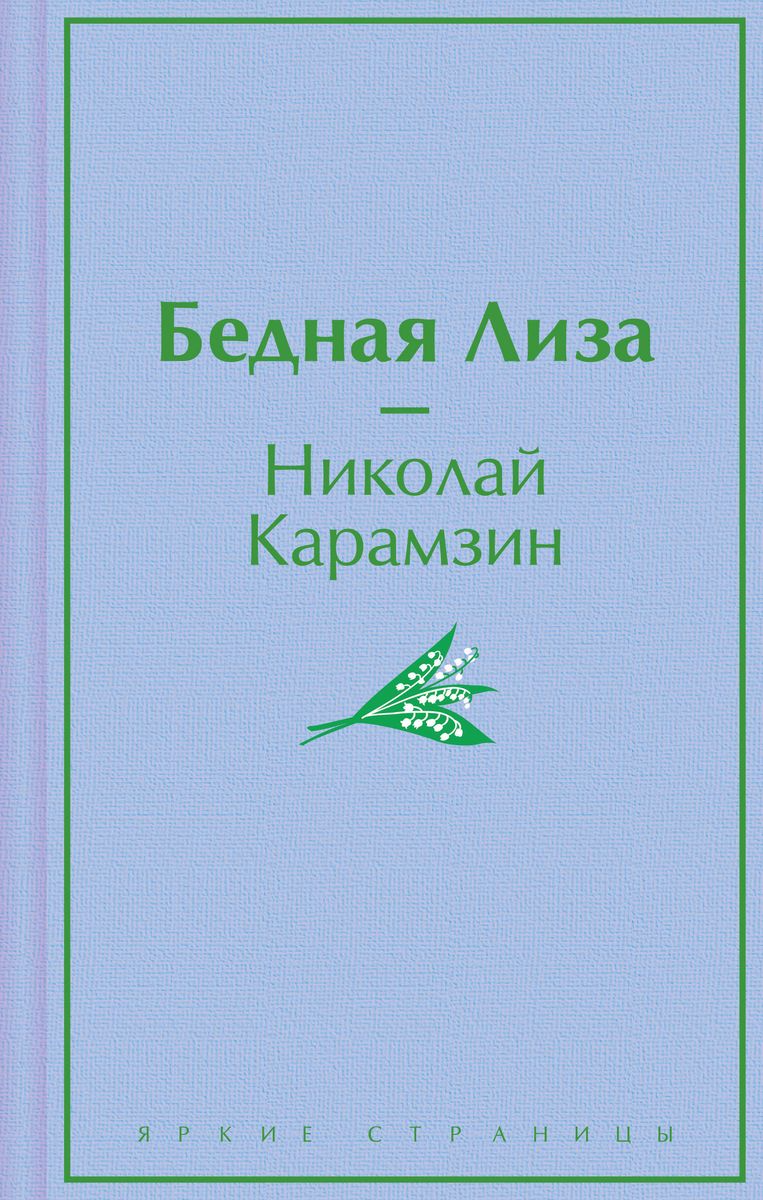
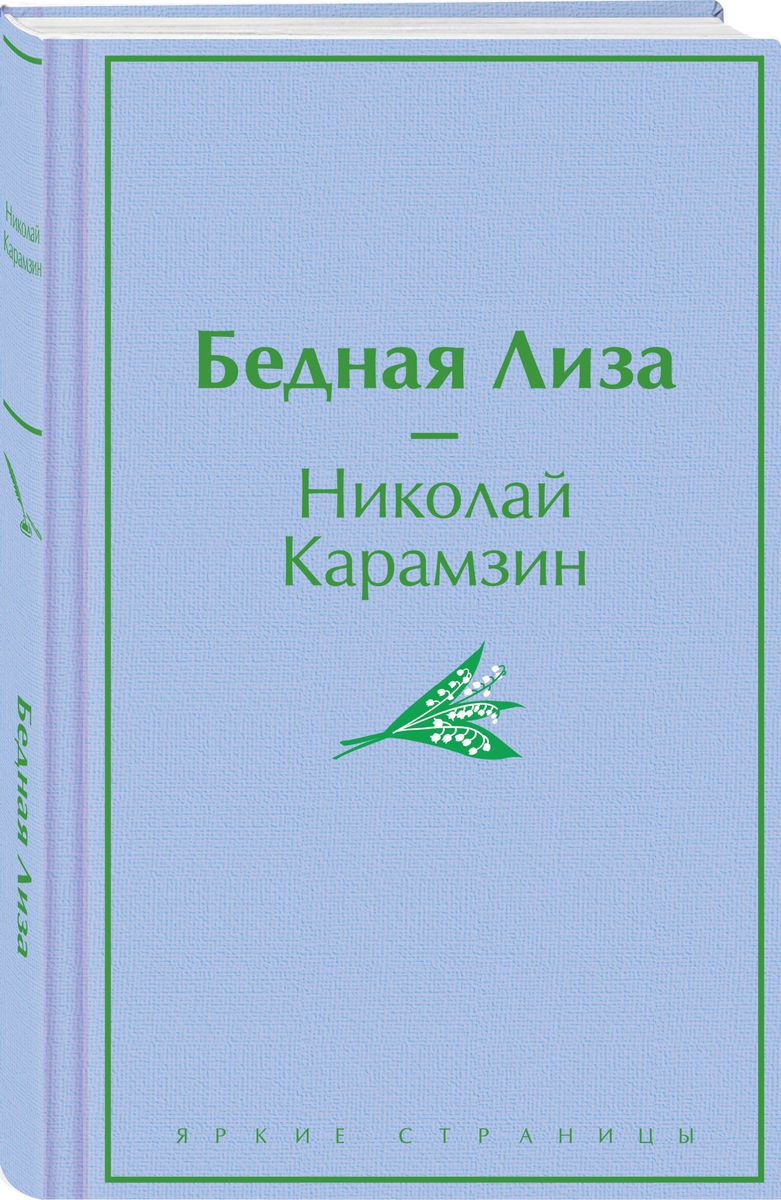
Бедная Лиза
Nikolai Mikhailovich Karamzin (1766—1826) is a Russian genius of the era of sentimentalism, the creator of new heroes — sensitive, compassionate, and devoid of moralizing. Whether it is the story of tragic love (“Poor Lisa,” “Liodor”) or pure mutual love...
(“Natalia, the Boyar's Daughter”), the mysterious island of Bornholm or the pacification of rebellious Novgorod, at the center of his plots are always people, their experiences, and difficult decisions. And in his peculiar “My Confession,” styled after Rousseau, one can even see shameless frankness.
Autor: КАРАМЗИН Н.М.
Väljaandja: Eksmo
Seeria: Kirevad lehed
Vanusepiirangud: 16+
avaldamise aasta: 2024
ISBN: 9785042001123
lehekülgede arv: 288
Suurus: 207x132x19 mm
Kaanetüüp: Hard
Kaal: 306 g
ID: 1664357
Välja müüdud
€ 7.09
Välja müüdud
€ 7.09
Bestsellers












Väljaandja „Eksmo“ soovitab





Bestseller
€ 11.69
Laos
Тук-тук, сердце! Как подружиться с самым неутомимым органом и что будет, если этого не сделать
ФОН БОРСТЕЛЬ Й.Х.